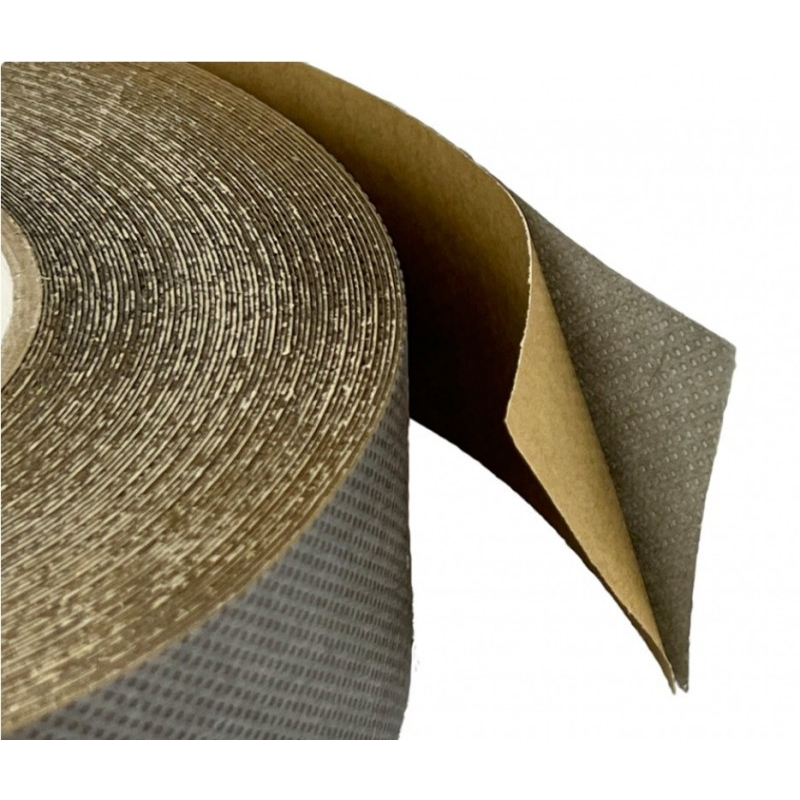
synthetic felt underlayment
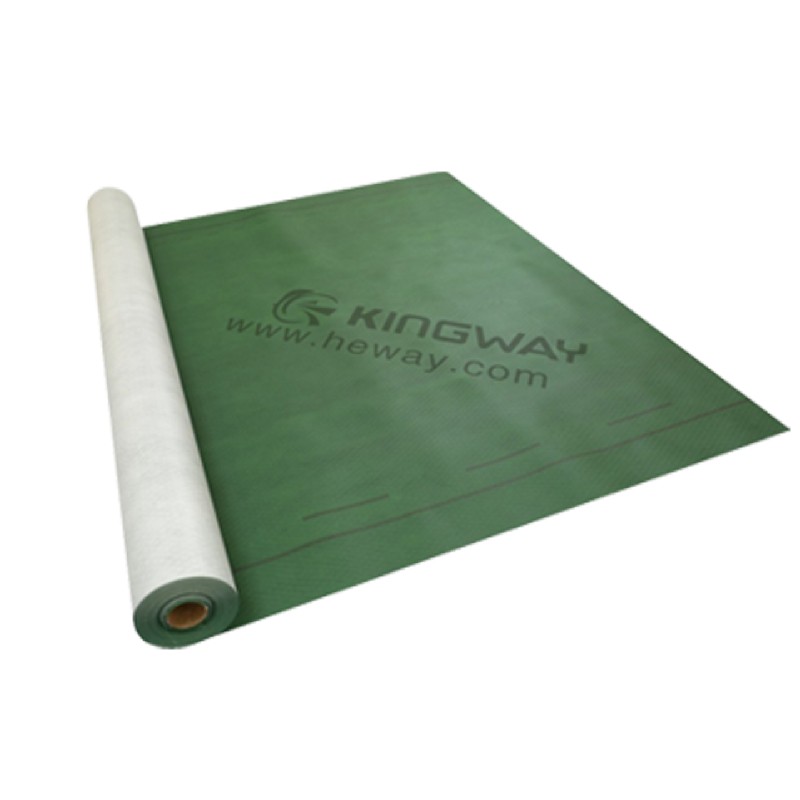
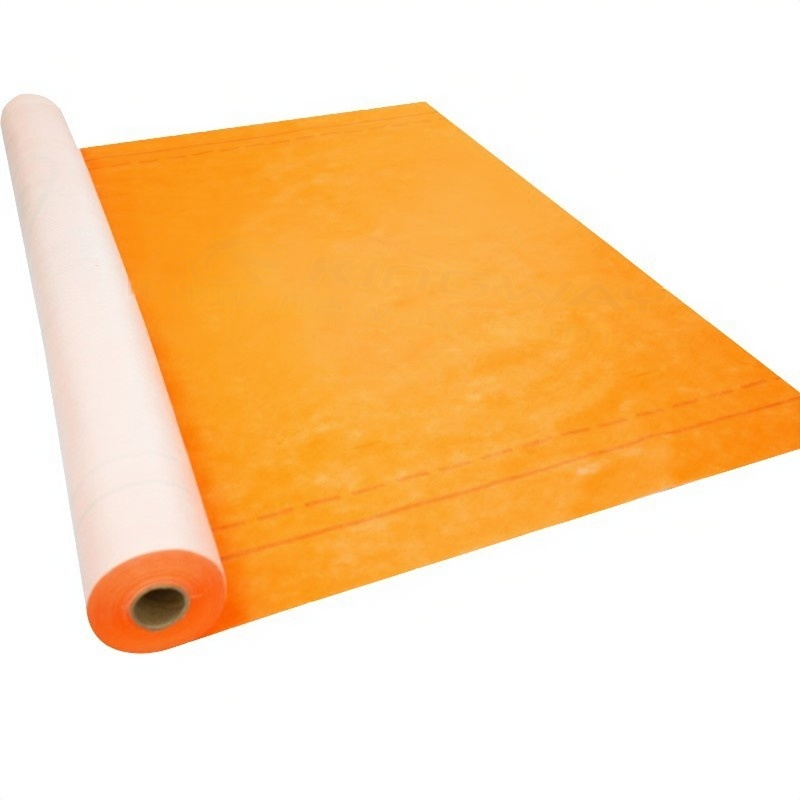
Synthetic felt underlayment is a protective layer installed between a roof deck and the finished roofing material. It helps block wind-driven rain, melting snow, and moisture that could otherwise reach the structure. A synthetic felt underlayment also creates a cleaner, more consistent surface for shingles, metal panels, tiles, or other roof coverings. Unlike traditional paper-based felt, a synthetic felt underlayment uses engineered polymers designed to resist tearing, stretching, and water absorption. This construction gives the synthetic felt underlayment a dependable balance of strength and light weight. Many products include a textured surface that improves worker footing during installation, while printed overlap guides help crews position each course accurately. Some versions include marked nail lines, fastener zones, and measurement grids to support faster work and reduce material waste. The synthetic felt underlayment can also cover roof sections temporarily before the final covering is installed, helping protect the building during construction. Its flexible design allows the synthetic felt underlayment to follow common roof shapes and accommodate normal movement caused by temperature changes. Depending on the product, features may include high tear resistance, ultraviolet exposure protection, waterproof construction, and compatibility with steep or low-slope roof systems. The synthetic felt underlayment suits new construction, reroofing, residential buildings, commercial properties, garages, sheds, and other structures. Buyers should check local codes, roof slope requirements, exposure limits, and manufacturer instructions before selecting a product. In practical terms, the synthetic felt underlayment adds a reliable moisture-control layer without adding unnecessary bulk to the roofing system.