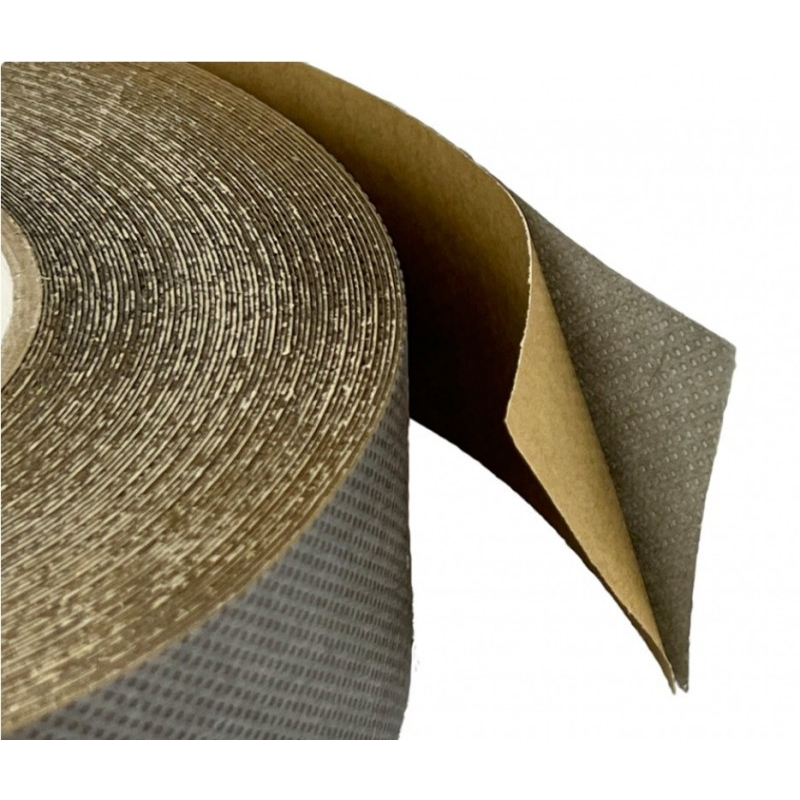
synthetic underlayment for shingles
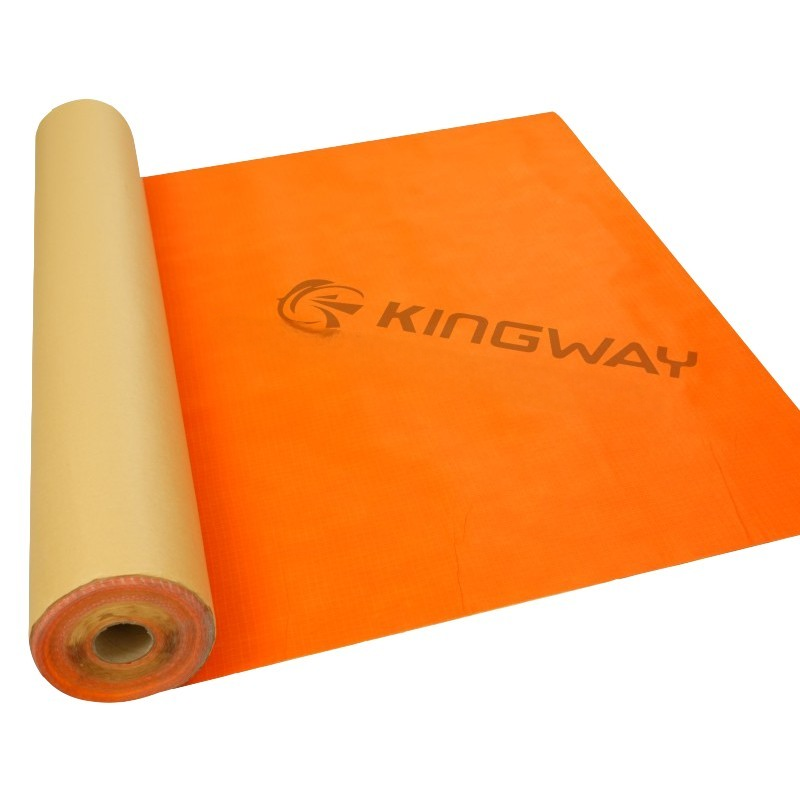
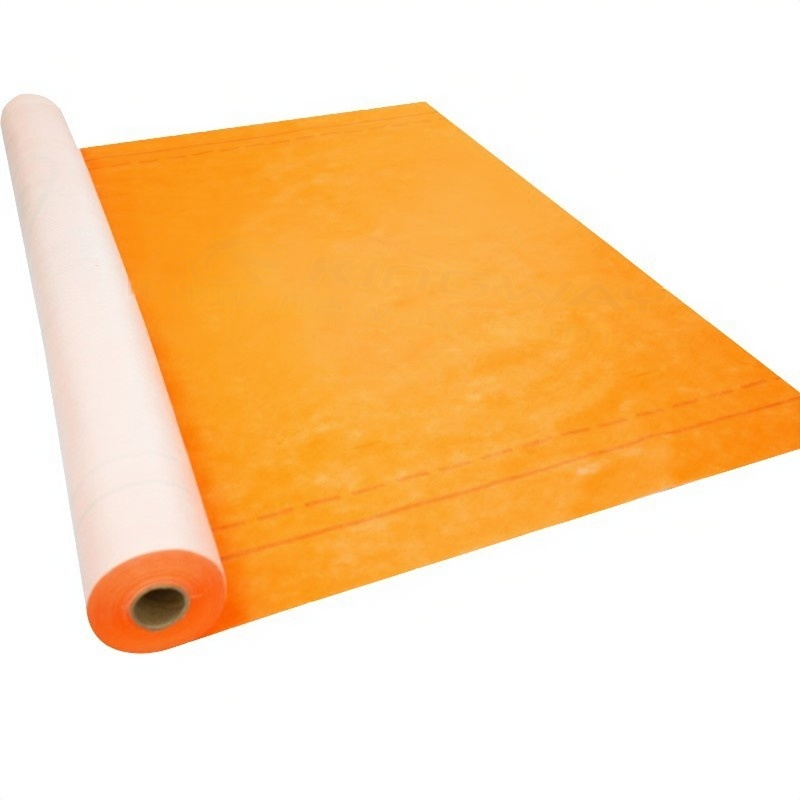
Synthetic underlayment for shingles is a protective sheet installed between the roof deck and the shingles. Synthetic underlayment for shingles helps block wind-driven rain, snow, and moisture that may pass beneath the outer roofing layer. It also provides a clean, stable surface during installation. Unlike traditional felt, synthetic underlayment for shingles typically uses woven or nonwoven polymer fibers that resist tearing, stretching, and moisture absorption. This construction gives synthetic underlayment for shingles dependable performance during roof construction and throughout the service life of the roofing system. Many products include printed overlap guides, fastening marks, and directional lines, helping crews place sheets accurately and maintain consistent coverage. Some versions offer a textured surface that improves worker footing, while reinforced edges support secure attachment around seams and roof details. Synthetic underlayment for shingles can cover roof decks before the final shingle layer is applied, giving contractors temporary weather protection if installation pauses. The material suits asphalt shingle projects on homes, garages, sheds, and many light commercial buildings. Synthetic underlayment for shingles also works around valleys, ridges, eaves, and penetrations when installers follow the product instructions. Depending on the design, it may support high-temperature applications, prolonged exposure, or use with mechanical fasteners and approved adhesives. Synthetic underlayment for shingles does not replace shingles, flashing, or proper ventilation. Instead, it adds a secondary water-shedding layer that strengthens the complete roof assembly. Buyers should compare coverage, thickness, fastening requirements, exposure rating, and local code acceptance before selecting synthetic underlayment for shingles for a specific project.