Synthetic Underlayment for Reliable Roofing

synthetic underlayment

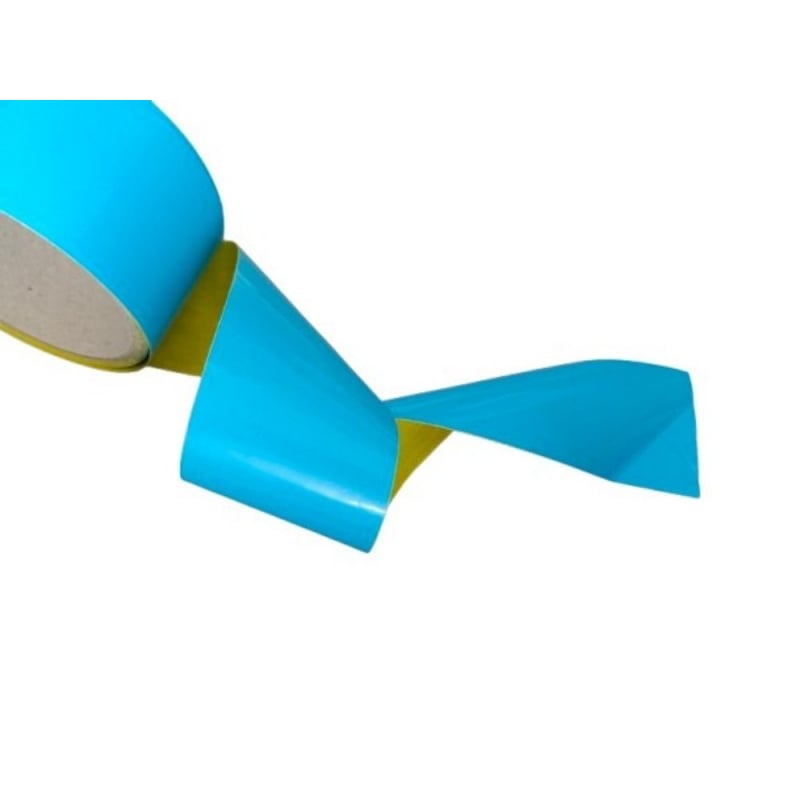
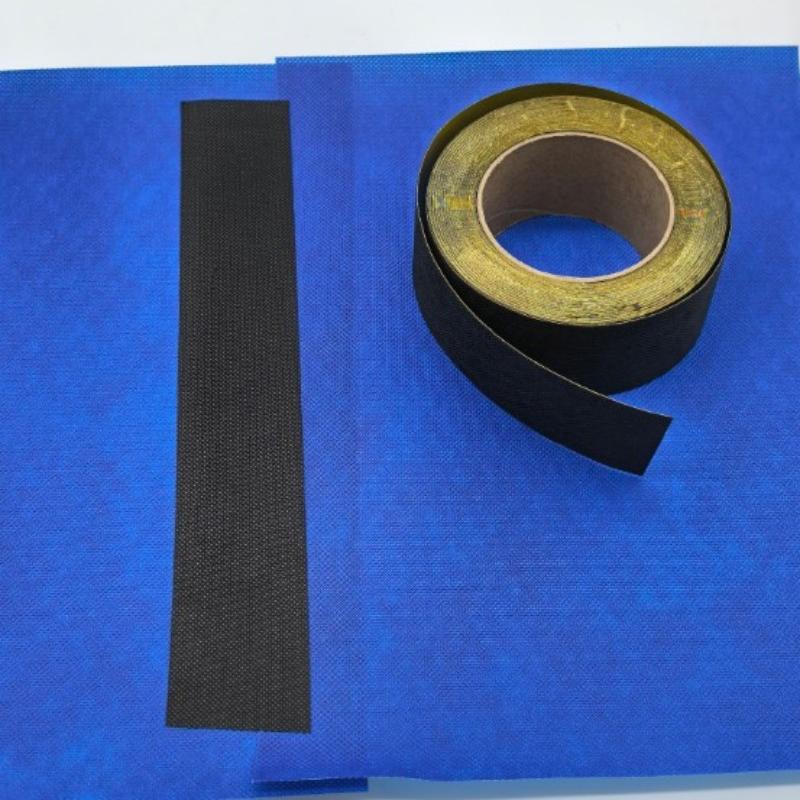
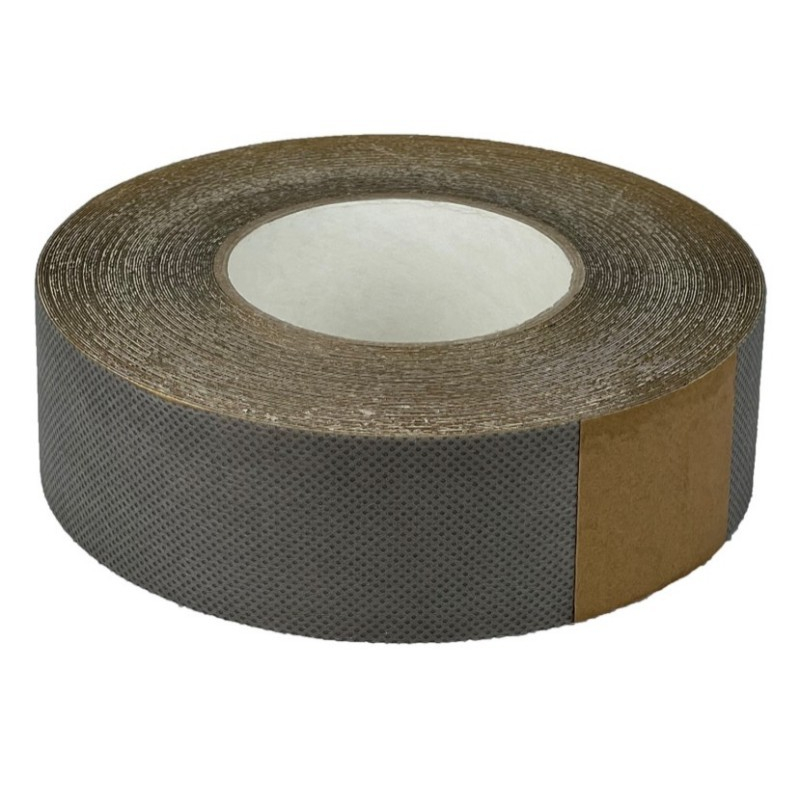
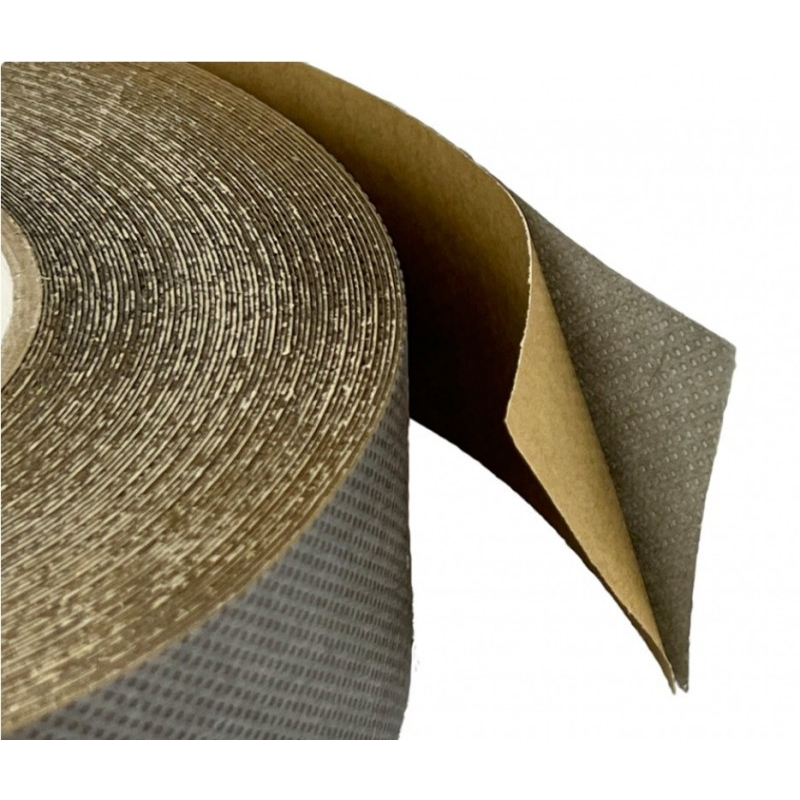
Synthetic underlayment is a protective layer installed between a roof deck and the final roofing material. It adds a reliable barrier against water, wind, dust, and minor surface damage while helping the roof system perform for longer. Unlike older felt products, synthetic underlayment is made from engineered polymer materials that resist tearing, stretching, and moisture absorption. Synthetic underlayment provides an important second line of defense when rain enters beneath shingles, tiles, or metal panels. Synthetic underlayment also helps cover the roof deck during construction, before the finished covering is installed. Its lightweight design makes synthetic underlayment easier to carry, position, and secure across large roof areas. Many products include printed overlap guides, fastening marks, and measurement lines, so synthetic underlayment can support faster and more accurate installation. Textured surfaces may improve worker footing, while treated layers help synthetic underlayment resist ultraviolet exposure during short construction delays. Synthetic underlayment can be used beneath asphalt shingles, metal roofing, tile, slate, and other approved coverings, depending on the product specification and local building requirements. It suits residential roofs, commercial buildings, garages, agricultural structures, and renovation projects. Some grades include high-temperature performance, enhanced tear strength, or water-resistant adhesive strips for improved sealing around seams. Buyers should compare roll size, weight, coverage, exposure rating, temperature range, fastening instructions, and code approvals before selecting a product. Overall, synthetic underlayment gives a roof deck practical protection without adding significant weight or installation complexity. When correctly selected and installed, synthetic underlayment remains a dependable part of a complete roofing system.

New Product Recommendations

The main advantage of synthetic underlayment is dependable protection with less handling effort. Synthetic underlayment weighs less than many traditional felt options, allowing crews to move more material with fewer trips across the roof. Its strong polymer structure helps synthetic underlayment resist ripping when workers walk over it or when wind moves across an unfinished roof. This durability can reduce replacement during installation and help keep the project on schedule. Synthetic underlayment also absorbs little or no water, so it stays more stable during wet weather and does not become as heavy after rain. For building owners, synthetic underlayment adds valuable moisture protection beneath the visible roof covering. If a shingle, panel, or tile shifts, the underlayment can help limit water reaching the deck and interior spaces. Clear overlap lines and printed fastening points make synthetic underlayment easier to install consistently, even when several teams work on the same project. Faster placement can lower labor time and reduce errors at joints, edges, and penetrations. Depending on the grade, synthetic underlayment may offer extended ultraviolet exposure, heat resistance, slip support, or integrated sealing strips. These features make synthetic underlayment suitable for steep residential roofs, complex roof layouts, commercial work, and projects that may pause before final covering. It also works well for reroofing because installers can cover exposed sections quickly while preparing the rest of the surface. Buyers should not choose only by the lowest roll price. A better decision considers coverage per roll, tear strength, warranty terms, local code acceptance, climate, roof pitch, and compatibility with the selected covering. Synthetic underlayment can deliver better overall value when its installation speed and service protection reduce call backs, material waste, and weather-related delays. Always follow the manufacturer instructions, use approved fasteners, and confirm that the product matches the roof design. In practical terms, synthetic underlayment gives contractors a manageable installation material and gives property owners greater confidence in roof performance.

Tips And Tricks

What are the unique advantages of a heavy-duty building tape?

01

Jul

What are the unique advantages of a heavy-duty building tape?

When construction professionals evaluate bonding and sealing materials for demanding projects, heavy-duty building tape consistently stands out as a reliable and versatile solution. Unlike standard adhesive tapes, heavy-duty building tape is engineer...
View More
Why is our single sided tape the best choice for flashing joints?

03

Aug

Why is our single sided tape the best choice for flashing joints?

When it comes to sealing flashing joints in construction and weatherproofing applications, choosing the right material makes a profound difference in long-term building performance. Single sided tape has emerged as the industry standard for this crit...
View More
Can a certified membrana hidrofuga secure your building against typhoons?

08

Oct

Can a certified membrana hidrofuga secure your building against typhoons?

Typhoons represent one of the most destructive natural forces affecting coastal and tropical regions, threatening building integrity through intense wind, heavy rainfall, and structural stress. A certified membrana hidrofuga offers a proven defense m...
View More
What are the UV-protection advantages of our premium membrana hidrofuga?

22

Oct

What are the UV-protection advantages of our premium membrana hidrofuga?

A membrana hidrofuga serves as a critical protective barrier in modern roofing and construction applications, delivering exceptional performance when exposed to harsh environmental conditions. Among its most valuable benefits, the UV-protection capab...
View More

Get a Free Quote

Our representative will contact you soon.
Email
Name
Company Name
Message
0/1000

synthetic underlayment

Strong Protection with Low Water Absorption

Strong Protection with Low Water Absorption

Synthetic underlayment creates a stable barrier beneath the finished roof, helping protect the deck when wind-driven rain reaches gaps or damaged covering materials. Its polymer construction does not soak up water like ordinary paper-based layers, so the sheet remains lighter and more consistent after exposure to moisture. This makes synthetic underlayment useful in regions with frequent rain, sudden storms, or changing construction schedules. Crews can cover an open deck and continue work without handling a saturated, sagging material. For owners, the benefit is practical: less risk of deck damage, fewer interruptions, and an added layer of defense below shingles, tile, or metal. Synthetic underlayment cannot replace proper flashing or correct roof installation, but it supports the whole system by managing incidental water. Product grades differ, so buyers should check water resistance, exposure limits, seam treatment, and installation instructions before purchase. Choosing a suitable sheet helps turn temporary roof coverage into dependable long-term support.
Tough, Light, and Easier to Install

Tough, Light, and Easier to Install

Synthetic underlayment combines useful strength with a low carrying weight, helping roofing crews work more efficiently on large or steep surfaces. The material is designed to resist tearing from foot traffic, fasteners, folding, and moderate wind during installation. Because synthetic underlayment usually comes in broad rolls, installers can cover more area with fewer seams than with smaller sheets. Fewer seams may mean fewer opportunities for gaps, overlaps, or misplaced fasteners when the crew follows the product guide. Printed lines and overlap marks can improve alignment, while a textured face may provide added confidence underfoot. These details make synthetic underlayment a practical choice for new construction and reroofing alike. Contractors may save time on lifting, cutting, and repositioning, while customers gain a cleaner installation process with less material waste. Synthetic underlayment also stores and transports efficiently, which can simplify site logistics. Always verify roll dimensions, fastening requirements, and safe working procedures for the specific roof.
Flexible Performance Across Roof Types

Flexible Performance Across Roof Types

A major selling point of synthetic underlayment is its broad application range. Synthetic underlayment can support asphalt shingle, metal, tile, slate, and other roof coverings when the selected product is approved for that use. This flexibility helps contractors standardize purchasing across residential, commercial, agricultural, and renovation work instead of keeping many different temporary barrier materials on site. Some versions are designed for high temperatures, longer ultraviolet exposure, steep slopes, or demanding weather conditions. Adhesive strips and reinforced areas may improve seam security and help manage vulnerable transitions around valleys, edges, vents, and roof penetrations. For buyers, this range makes it easier to match one product to the project rather than compromise on protection. Synthetic underlayment can also help when construction pauses, because certain grades tolerate limited exposure before the final covering is applied. The correct choice still depends on local rules, climate, slope, roof covering, and manufacturer limits. Reviewing technical data before ordering helps ensure safe, compliant performance.

Get a Free Quote

Our representative will contact you soon.
Email
Name
Company Name
Message
0/1000