synthetic felt roof underlayment
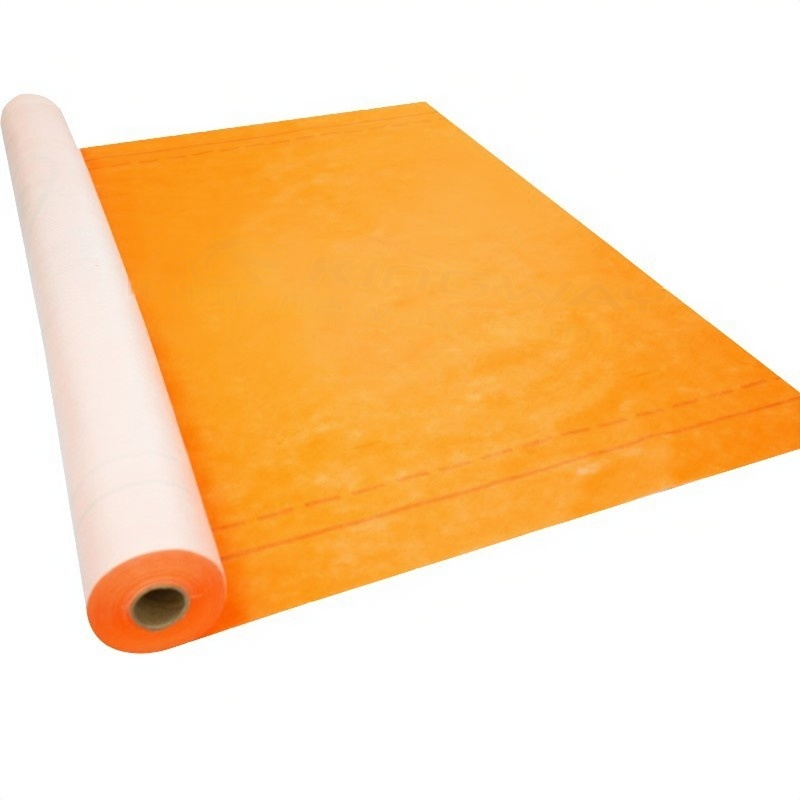
Synthetic felt roof underlayment is a protective layer installed between the roof deck and the finished roof covering. It creates a secondary barrier beneath shingles, tiles, metal panels, or other materials. When wind-driven rain, melting snow, or moisture reaches a small gap in the outer roof, synthetic felt roof underlayment helps direct water toward the eaves and away from the deck. It also reduces the risk of damage caused by condensation, surface leaks, and temporary exposure during construction. Synthetic felt roof underlayment supports the roof system without replacing the main covering or flashing details. Modern synthetic felt roof underlayment uses woven or nonwoven polymer sheets that combine strength with low weight. Many products include a textured surface that improves worker footing and helps prevent sliding during installation. Printed overlap guides, fastening marks, and measured lines help crews position each sheet accurately. Some versions include tear-resistant reinforcement, UV exposure protection, and water-shedding surfaces for added job-site reliability. Synthetic felt roof underlayment often arrives in wide rolls, allowing installers to cover large areas with fewer seams. It works beneath asphalt shingles, concrete or clay tiles, standing-seam metal, and selected low-slope roof assemblies when the manufacturer approves the use. Builders choose synthetic felt roof underlayment for new homes, commercial structures, renovations, and reroofing projects. The material can remain exposed for a limited period, but the permitted exposure time varies by product. Installers should follow local building codes, roof pitch requirements, fastening instructions, and compatibility guidance. In every application, synthetic felt roof underlayment gives the roof deck an added layer of moisture protection before the final covering is installed.