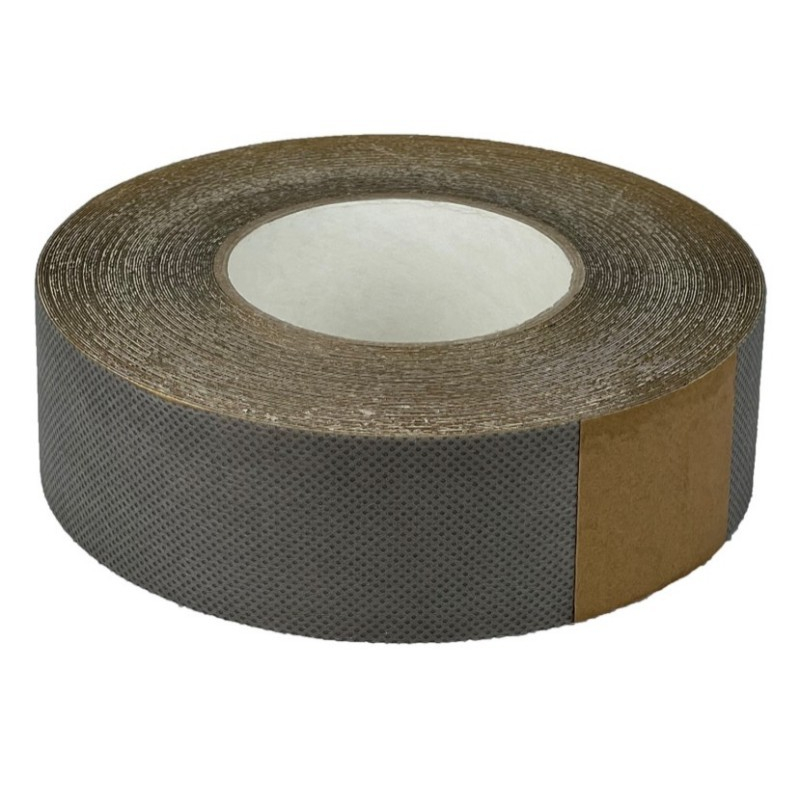
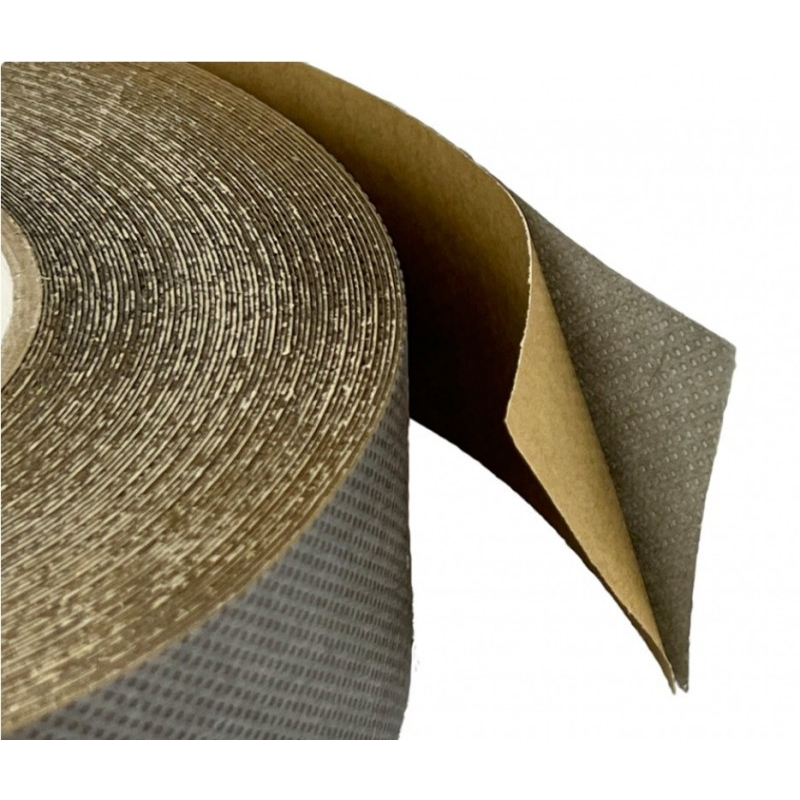
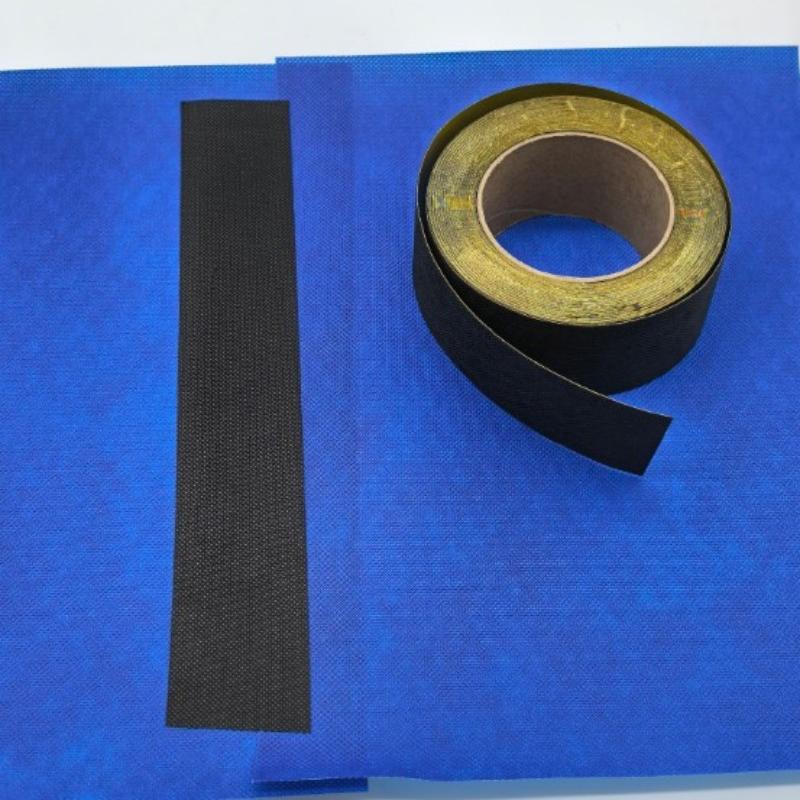
synthetic roofing paper
Synthetic roofing paper is a lightweight, durable underlayment used beneath shingles, tiles, metal panels, and other roof coverings. It creates a protective layer between the roof deck and the finished surface, helping manage water, wind, dust, and construction wear. Unlike traditional felt, synthetic roofing paper uses engineered polymer fibers or films to provide stronger performance with less weight. Synthetic roofing paper can help prevent moisture from reaching the deck if rain occurs before the final roof covering is installed. It also supports cleaner, more organized work during construction. Most products come in large rolls with printed overlap guides, fastening marks, and measurement lines, which help installers position the material accurately. Synthetic roofing paper often resists tearing, punctures, wrinkling, and stretching, so it stays in place during handling and installation. Synthetic roofing paper may also include textured surfaces that improve foot traction on sloped roofs, although installers should still follow all safety procedures. Its water-shedding design allows vapor management in products made for specific roof assemblies, while breathable versions can help reduce trapped moisture. Depending on the model, synthetic roofing paper may be suitable for residential homes, commercial buildings, sheds, garages, and remodeling projects. Some products tolerate extended exposure to sunlight, giving contractors more scheduling flexibility when weather or labor delays final installation. Synthetic roofing paper does not replace the roof covering or proper flashing, but it adds an important secondary defense. Buyers should compare roll size, exposure rating, slip resistance, fastening guidance, code approvals, and compatibility with the selected roof system before purchase.