Synthetic Felt for Roofing | Durable Underlay

synthetic felt for roofing

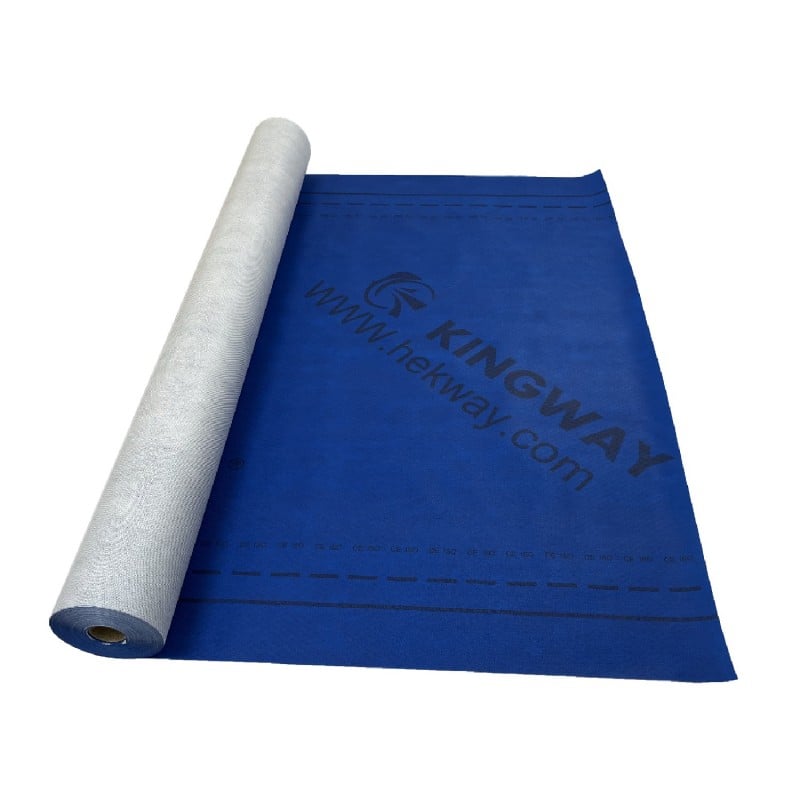
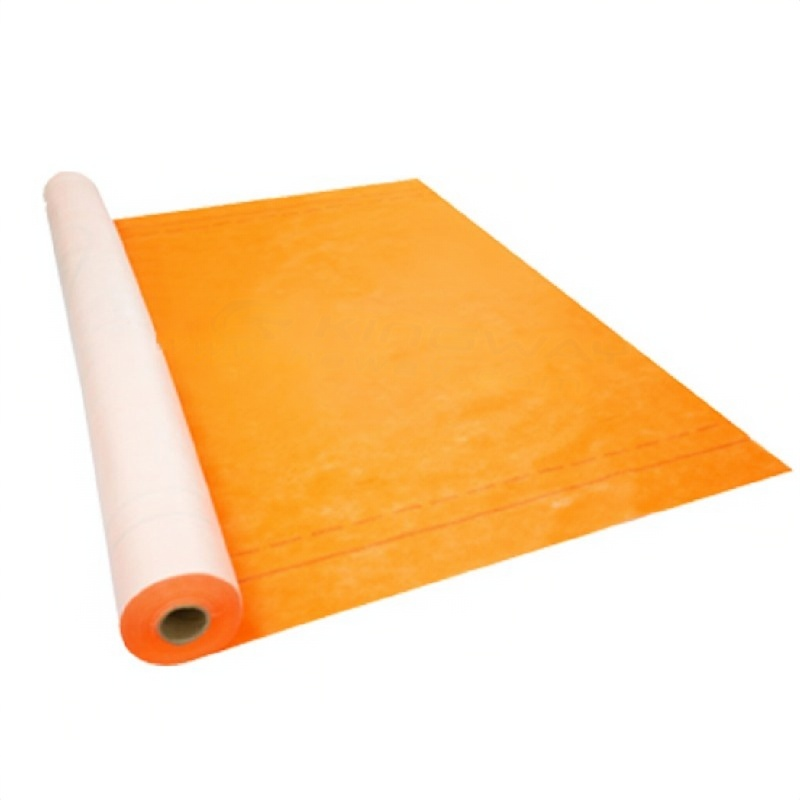
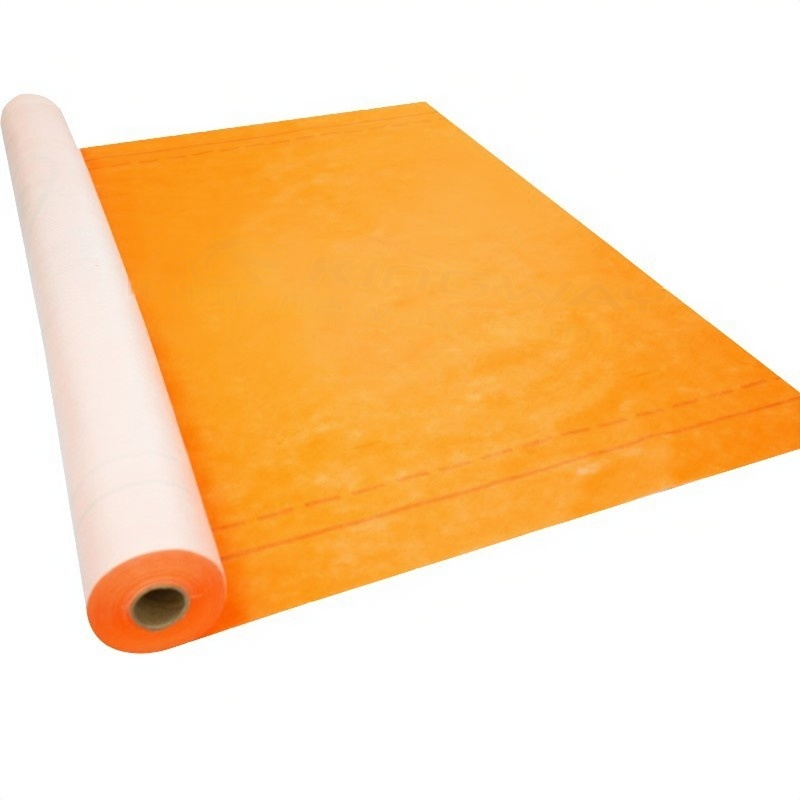
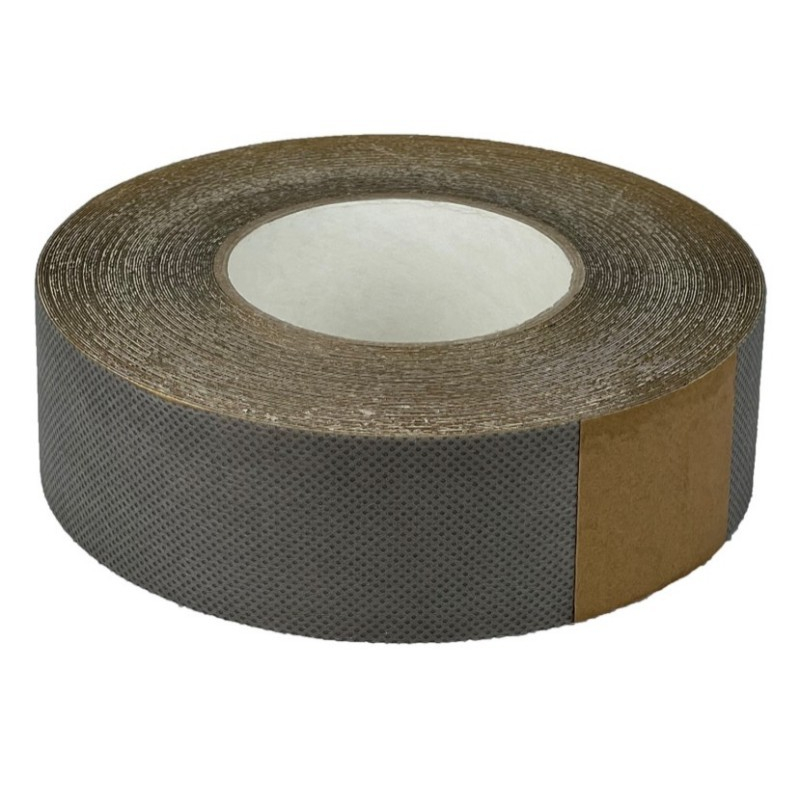
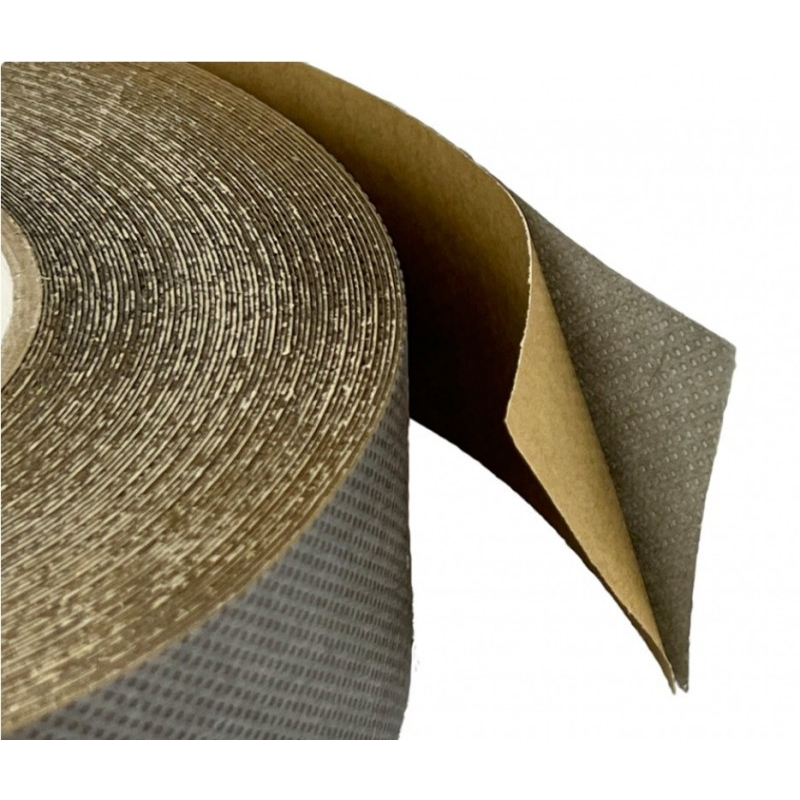
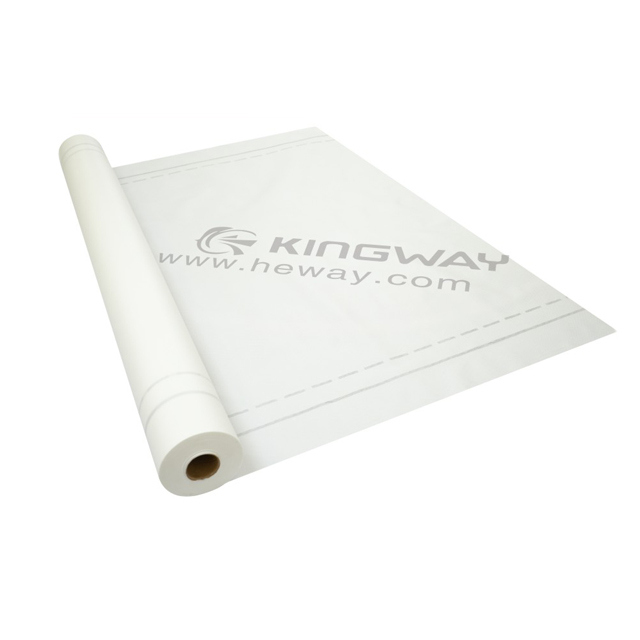
Synthetic felt for roofing is a lightweight underlayment installed between the roof deck and the outer covering. It creates a secondary layer of protection beneath shingles, tiles, metal panels, or other roof materials. Synthetic felt for roofing helps block wind-driven rain, melting snow, and moisture that may pass under the main roof surface. It also supports cleaner, more organized installation by giving roofers a consistent working layer. Unlike traditional paper felt, synthetic felt for roofing uses woven or nonwoven plastic fibers designed for strength, water resistance, and stable performance. Many products use polypropylene or polyethylene, sometimes with a textured surface that improves foot grip. Synthetic felt for roofing can resist tearing, wrinkling, and stretching during handling, which helps maintain coverage across the roof. Some grades include printed overlap lines, nail guides, and marked fastening points that make placement faster and more accurate. Synthetic felt for roofing may also tolerate temporary exposure to sunlight before the final roof covering is installed, although the approved exposure period varies by product. Its low weight can reduce carrying effort and simplify movement across a job site. Synthetic felt for roofing suits new construction, roof replacement, and repair work on residential, commercial, and light industrial buildings. It is available in rolls of different widths and lengths, allowing buyers to match coverage needs and reduce waste. Synthetic felt for roofing does not replace shingles, flashing, drainage design, or professional workmanship. Instead, it adds a dependable protective layer that helps the complete roofing system manage moisture and installation demands.

Popular Products

Choosing synthetic felt for roofing gives buyers a practical balance of protection, handling ease, and installation speed. Synthetic felt for roofing weighs less than many traditional underlayments, so crews can carry more material with less effort. Rolls are easier to position on slopes, which can reduce setup time and help keep projects moving. Synthetic felt for roofing also resists tearing when workers walk, kneel, or pull the material into alignment. This durability helps preserve coverage and limits the need to patch damaged areas. Synthetic felt for roofing does not absorb water as readily as paper-based products, so it can remain more stable during damp weather and short delays. A flatter, less wrinkled layer gives the finished roof a better base and makes overlap areas easier to manage. Synthetic felt for roofing often includes printed guides that support accurate laps, straight rows, and consistent fastening. These markings can reduce measuring work and help less experienced installers follow the required layout. Synthetic felt for roofing works beneath asphalt shingles, clay or concrete tiles, slate-style products, and many metal roof systems when the manufacturer approves the combination. It can serve both quick repair jobs and full roof installations, making inventory planning simpler for contractors. Buyers should compare thickness, tear strength, slip resistance, fire rating, wind rating, fastening guidance, and permitted exposure time before ordering. Synthetic felt for roofing may cost more at purchase than basic felt, but reduced waste, faster handling, and fewer tears can improve value across the project. The best choice depends on roof pitch, climate, covering type, local code, and installer needs. Always follow the product instructions and confirm compatibility with the complete roof design.

Practical Tips

Which house wrap brand offers the best balance of strength and price?

29

Jul

Which house wrap brand offers the best balance of strength and price?

Selecting the right house wrap is one of the most consequential decisions a builder or contractor makes during the construction envelope phase. The house wrap you choose affects moisture management, structural longevity, energy efficiency, and overal...
View More
Why is a commercial-grade house wrap essential for modern facades?

08

Jul

Why is a commercial-grade house wrap essential for modern facades?

Modern building facades face constant exposure to wind-driven rain, temperature swings, and moisture intrusion. A high-performance house wrap addresses all of these challenges simultaneously. When construction teams install a commercial-grade house w...
View More
Why is a certified waterproof breathable membrane worth investing in?

20

Aug

Why is a certified waterproof breathable membrane worth investing in?

A waterproof breathable membrane represents a critical investment for any construction or building renovation project. Unlike simple plastic barriers, this engineered material serves dual purposes that directly impact structural longevity, occupant c...
View More
Can a durable membrana hidrofuga improve residential energy efficiency?

08

Sep

Can a durable membrana hidrofuga improve residential energy efficiency?

A durable membrana hidrofuga is more than just a moisture barrier—it is a critical component in modern residential construction that directly influences energy efficiency, indoor comfort, and long-term structural integrity. As homeowners and builders...
View More

Get a Free Quote

Our representative will contact you soon.
Email
Name
Company Name
Message
0/1000

synthetic felt for roofing

Strong coverage with less job-site damage

Strong coverage with less job-site damage

Synthetic felt for roofing uses durable plastic fibers that help it withstand pulling, folding, foot traffic, and normal fastening. This strength matters because underlayment can suffer damage before the final covering protects it. Synthetic felt for roofing stays more intact when crews move materials across the deck or adjust a roll on a slope. Fewer rips can mean less patching, fewer interruptions, and more consistent moisture protection. Synthetic felt for roofing also helps maintain a smooth layer beneath shingles or panels, supporting cleaner finishing work. Its resistance to water absorption reduces the chance that the material becomes heavy, swollen, or weak after light rain. For builders, this can simplify staging and reduce material loss. For property owners, it adds confidence that the roof assembly includes a reliable backup barrier. Buyers should still select a grade suited to local wind, weather, and exposure conditions, because strength ratings differ between products.
Faster installation and easier layout

Faster installation and easier layout

Synthetic felt for roofing is designed to help installers cover large areas efficiently. Lightweight rolls are easier to lift, carry, unroll, and cut than many older underlayment options. Synthetic felt for roofing commonly includes printed overlap lines, nail indicators, and directional marks that guide placement across the deck. These features can shorten measuring time and promote consistent coverage from the eave toward the ridge. Synthetic felt for roofing also lies flat with fewer wrinkles, helping roofers place the outer covering without unnecessary adjustments. A stable surface can improve movement on the job, especially when the product includes a textured or slip-resistant finish. Faster handling may lower labor time and help contractors meet schedules when weather windows are short. It can also make small repair projects more manageable for experienced installers. Synthetic felt for roofing remains only one part of safe roof work, so crews must use suitable fall protection, follow fastening instructions, and avoid treating the material as a finished walking surface.
Versatile protection for many roof systems

Versatile protection for many roof systems

Synthetic felt for roofing provides useful moisture protection beneath a wide range of finished coverings. Synthetic felt for roofing can support asphalt shingle, tile, slate-style, and metal roof assemblies when the selected product meets the covering manufacturer's requirements. This flexibility helps contractors use one dependable underlayment family across different project types. Synthetic felt for roofing can suit new builds, reroofing, extensions, detached structures, and targeted repairs. Some products allow temporary exposure to sunlight, giving crews more scheduling flexibility between deck preparation and final installation. Synthetic felt for roofing also comes in several roll sizes, thicknesses, and performance levels, allowing buyers to balance coverage, handling, and budget. The right specification can improve resistance to wind-driven rain and help protect the deck during construction. Customers should confirm code approval, fire performance, slope limits, exposure duration, and compatibility before purchase. A product selected for the actual roof design delivers more dependable value than choosing solely by roll price.

Get a Free Quote

Our representative will contact you soon.
Email
Name
Company Name
Message
0/1000