underfloor heating insulation
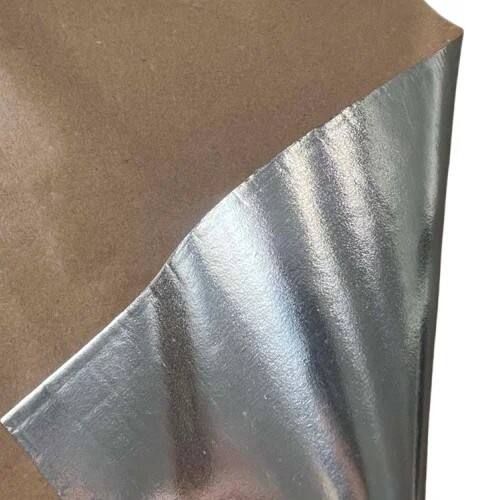
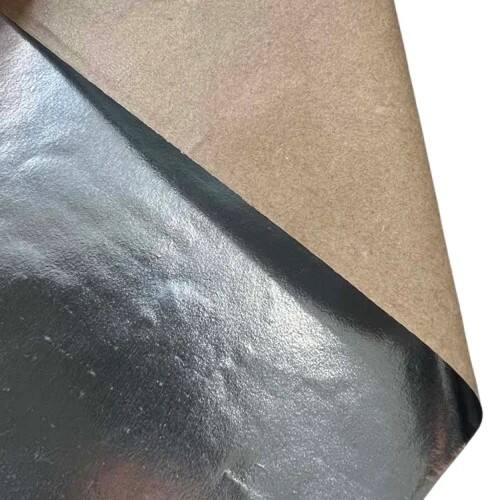
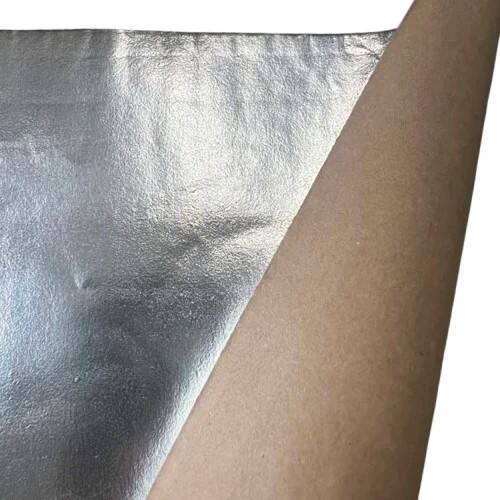
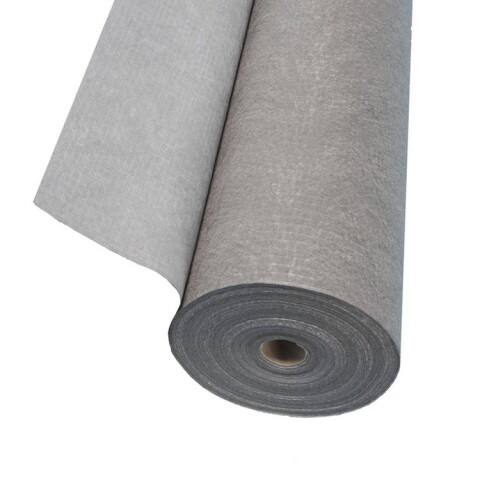
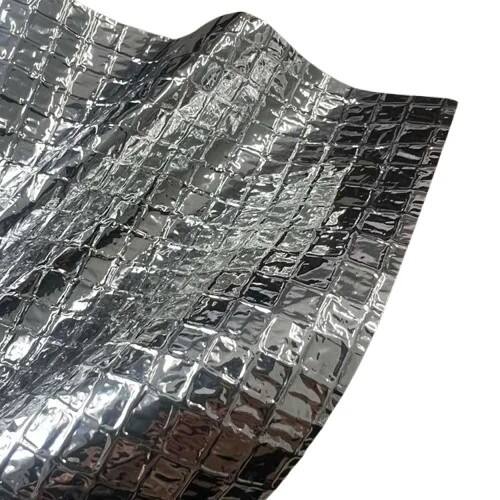
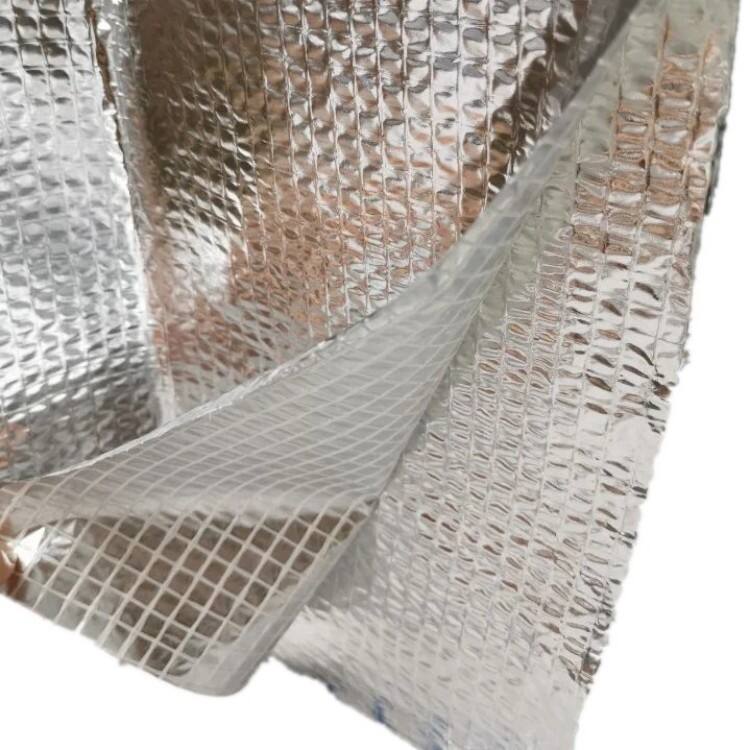
Underfloor heating insulation is a critical component designed to maximize the efficiency and performance of radiant floor heating systems. This specialized insulation layer is installed directly beneath heating elements to prevent heat loss downward into the subfloor, ensuring that thermal energy is directed upward into the living space where it is needed most. The primary functions of underfloor heating insulation include thermal retention, energy conservation, and accelerated heat-up times for floor warming systems. Technologically, modern underfloor heating insulation features advanced materials such as extruded polystyrene foam, polyisocyanurate boards, or reflective foil-backed panels that offer superior thermal resistance values. These materials are engineered with closed-cell structures that resist moisture penetration while providing exceptional compressive strength to support floor loads without degradation. The insulation boards typically range from 10mm to 50mm in thickness, with thermal conductivity ratings optimized for residential and commercial applications. Underfloor heating insulation is suitable for various installation environments including new construction projects, renovation applications, and retrofit scenarios across concrete slabs, suspended timber floors, and screed systems. The insulation effectively creates a thermal barrier that reduces heat transfer to unwanted areas, thereby improving system responsiveness and lowering operational costs. Applications span residential homes, commercial buildings, industrial facilities, and specialized environments where consistent floor temperature control is essential for comfort and energy management.