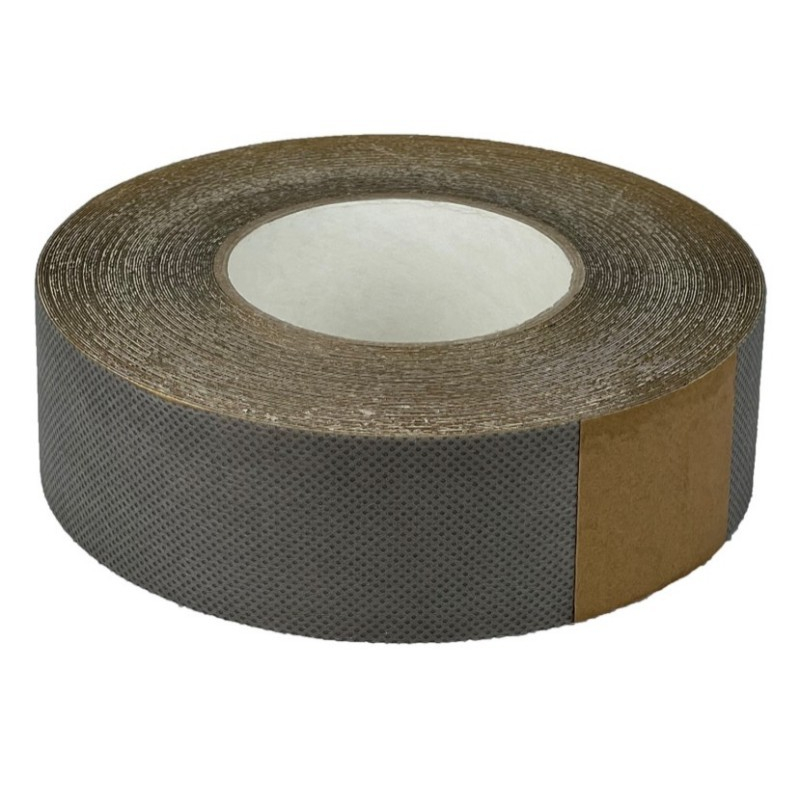
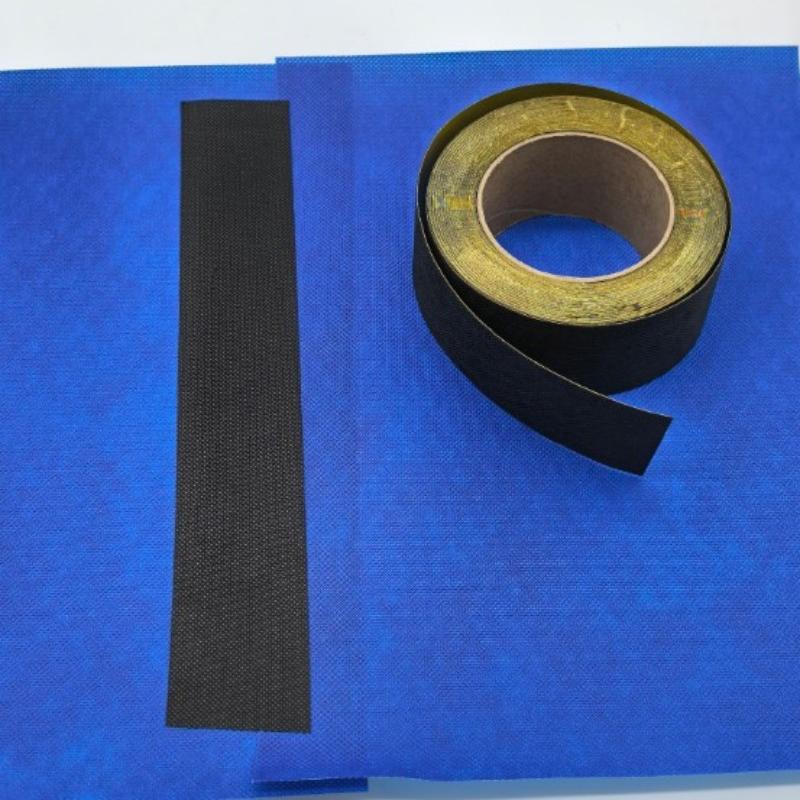
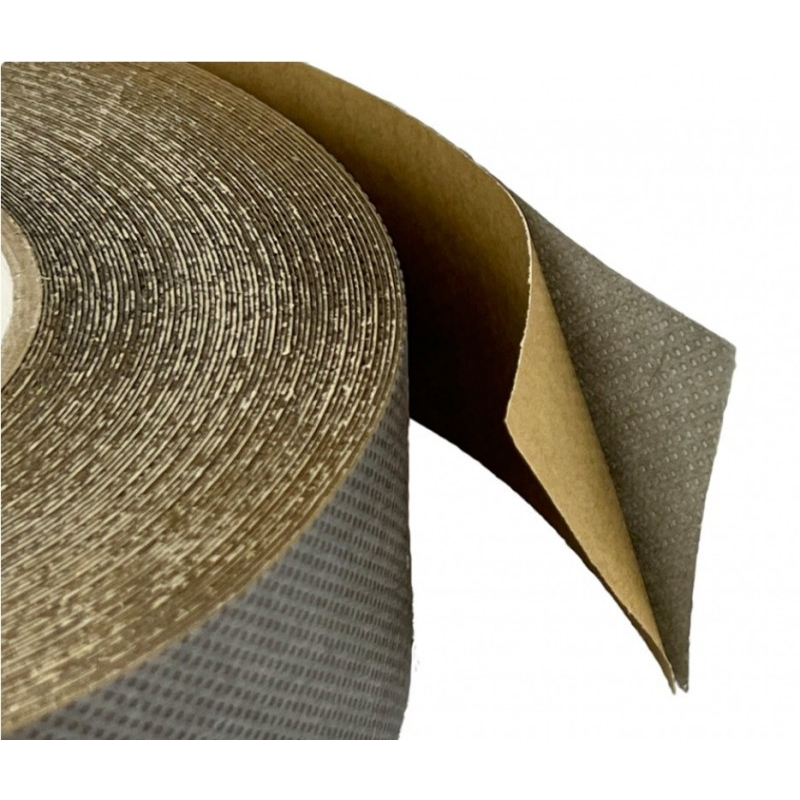
Wall Insulation Wrap for Energy-Efficient Walls

wall insulation wrap

A wall insulation wrap is a flexible layer designed to improve the thermal performance of exterior or interior walls. It usually combines insulation fibers, foam, or reflective film in a roll or sheet that installers can cut and fit around wall frames, studs, pipes, and service spaces. The wall insulation wrap helps slow heat transfer, so rooms stay warmer in winter and cooler in summer. It can also support better temperature balance between rooms and reduce the workload on heating and cooling systems. Depending on its construction, the wall insulation wrap may include a vapor-control face, a reflective surface, a water-resistant outer layer, or a tear-resistant backing. These features help manage moisture, limit drafts, and protect the insulation during installation. Some products use low-emission materials, recycled content, or non-fibrous surfaces for easier handling. The wall insulation wrap suits new construction, renovation, modular buildings, warehouses, workshops, and commercial interiors. It may be installed behind cladding, under siding, inside framed cavities, beneath wall panels, or over selected surfaces when the system allows it. Proper sealing at joints and edges remains important because gaps can reduce performance. The wall insulation wrap is available in different thicknesses, widths, and thermal ratings, allowing buyers to match the product to climate, wall design, local codes, and available space. In practical terms, it offers a manageable way to upgrade wall comfort without rebuilding the entire structure. Buyers should check fire ratings, moisture behavior, facing type, installation instructions, and compatibility with the chosen wall assembly before purchase.

New Product Recommendations

The main advantage of a wall insulation wrap is improved indoor comfort. By slowing heat movement through wall areas, the wall insulation wrap can help reduce cold spots, hot surfaces, and uneven room temperatures. Occupants may rely less on constant heating or cooling, which can support lower energy bills over time. Actual savings depend on the building, climate, installation quality, and existing insulation, but the upgrade can deliver useful everyday value. A wall insulation wrap also helps installers work efficiently. Rolls and flexible sheets are easier to transport, measure, cut, and position than many rigid materials. The wall insulation wrap can fit around framing members and irregular sections, reducing the need for numerous small pieces. A light product may also reduce handling effort on renovation sites. Moisture management provides another practical benefit. Products with suitable vapor-control or water-resistant layers can help protect wall cavities when the design and local conditions require those properties. The wall insulation wrap may also reduce minor air movement when installers seal seams, edges, and penetrations correctly. This can make rooms feel less drafty and help preserve indoor comfort. Application flexibility makes the wall insulation wrap suitable for houses, offices, retail units, light industrial buildings, temporary structures, and prefabricated panels. Buyers can select thickness, width, facing, and performance level according to the project rather than forcing one material into every situation. The wall insulation wrap can be useful during a full build or a targeted retrofit where wall access is limited. It may also support quieter interiors when its structure helps absorb some sound transmission, although sound results vary by assembly. For a confident purchase, compare thermal value, fire behavior, moisture control, durability, installation time, and total project cost. A lower unit price may not be the best choice if it creates difficult cutting, weak seam control, or added labor. The right wall insulation wrap should match the complete wall system and deliver dependable performance without unnecessary complexity.

Tips And Tricks

Can a professional single sided tape prevent costly air leakage?

24

Aug

Can a professional single sided tape prevent costly air leakage?

Air leakage represents one of the most significant sources of energy loss in modern construction projects, yet many builders and contractors overlook the critical role that proper sealing plays in preventing this waste. A professional single sided ta...
View More
Why is our single sided tape the best choice for flashing joints?

03

Aug

Why is our single sided tape the best choice for flashing joints?

When it comes to sealing flashing joints in construction and weatherproofing applications, choosing the right material makes a profound difference in long-term building performance. Single sided tape has emerged as the industry standard for this crit...
View More
Can a premium roofing underlayment extend your total roof warranty?

28

Sep

Can a premium roofing underlayment extend your total roof warranty?

Your roof is one of the most critical investments in your home or commercial property, and protecting that investment goes far beyond the shingles or tiles you see from the ground. Many property owners overlook the crucial role that roofing underlaym...
View More
What are the UV-protection advantages of our premium membrana hidrofuga?

22

Oct

What are the UV-protection advantages of our premium membrana hidrofuga?

A membrana hidrofuga serves as a critical protective barrier in modern roofing and construction applications, delivering exceptional performance when exposed to harsh environmental conditions. Among its most valuable benefits, the UV-protection capab...
View More

Get a Free Quote

Our representative will contact you soon.
Email
Name
Company Name
Message
0/1000

wall insulation wrap

Flexible Coverage for New Builds and Retrofits

Flexible Coverage for New Builds and Retrofits

A major selling point of a wall insulation wrap is its ability to cover broad wall areas while adapting to real construction conditions. The material arrives in manageable rolls or sheets, so a crew can move it through narrow access points and prepare sections on site. The wall insulation wrap can be trimmed around studs, corners, outlets, pipes, and window openings, helping reduce awkward gaps that often weaken an insulation upgrade. During renovation work, this flexibility can make the wall insulation wrap practical where rigid boards are difficult to carry or shape. Installers can use the product behind cladding, inside framed cavities, beneath panels, or in approved interior assemblies. The result is a faster, more adaptable process with fewer separate pieces to handle. For buyers, that can mean simpler logistics, cleaner work planning, and better use of labor. Always follow the product guide and local building requirements, especially when combining the wall insulation wrap with membranes, finishes, or ventilation spaces.
Thermal and Moisture Control in One Layer

Thermal and Moisture Control in One Layer

A well-designed wall insulation wrap can combine thermal resistance with features that help manage air and moisture. Its insulation core slows heat transfer, while a facing or backing may reflect radiant heat, resist water exposure, or control vapor movement. This combination gives the wall insulation wrap value beyond basic thickness. In cold conditions, the wall insulation wrap can help keep interior surfaces warmer and reduce the chance of uncomfortable cold zones. In warm conditions, it can limit unwanted heat entering the room when the complete wall assembly is designed correctly. Moisture control is equally important because trapped moisture can damage finishes, framing, and insulation. A suitable wall insulation wrap helps installers create a more controlled wall system when they seal joints and follow placement rules. Performance depends on climate, facing direction, ventilation, and neighboring materials, so buyers should not treat one specification as a universal solution. Selecting the wall insulation wrap with the right vapor behavior and fire rating supports safer, more durable construction.
Practical Installation and Long-Term Value

Practical Installation and Long-Term Value

The wall insulation wrap is built for projects where installation speed, handling comfort, and reliable coverage all matter. Many versions are lightweight, easy to cut, and simple to position before the final wall finish is installed. This can reduce preparation time and help crews maintain a steady workflow across large areas. The wall insulation wrap also supports targeted repairs, extensions, and energy upgrades because buyers can purchase the required quantity without redesigning the entire building. When installers protect the material from damage and seal all joins properly, the wall insulation wrap can continue supporting stable indoor temperatures for many years. Its value comes from the complete result: improved comfort, potentially lower heating and cooling demand, fewer drafts, and a more consistent wall surface. Some products offer tear-resistant films, reinforced edges, low-dust surfaces, or recycled content, which may improve handling and project sustainability. Before ordering, compare thickness, roll dimensions, thermal rating, fire classification, moisture properties, and warranty terms. A wall insulation wrap that matches the building system is more useful than one chosen only for its lowest price.

Get a Free Quote

Our representative will contact you soon.
Email
Name
Company Name
Message
0/1000