Vapor Permeable Membrane for Better Buildings

vapor permeable membrane

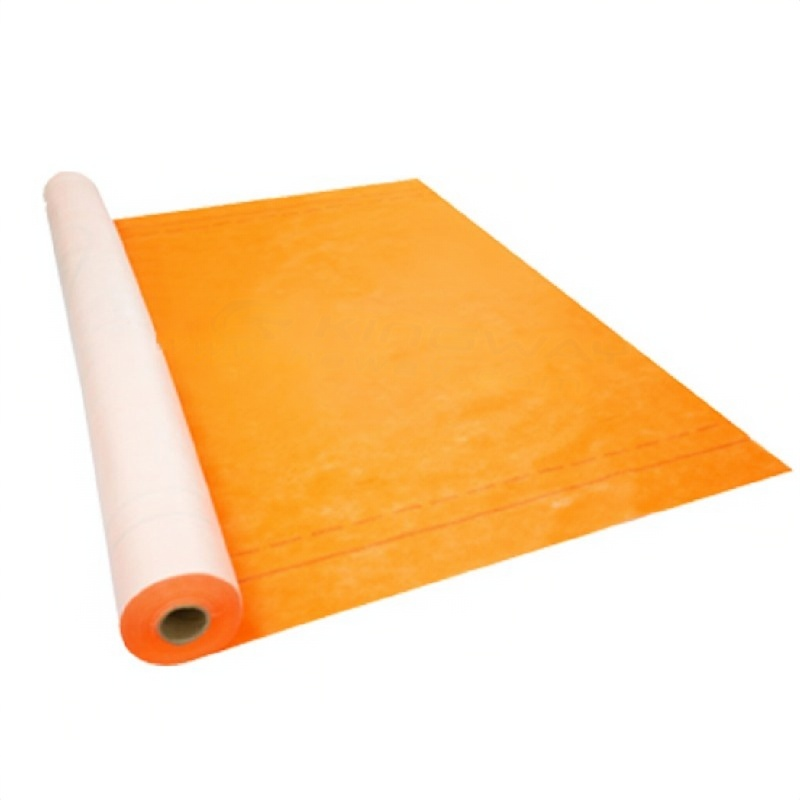
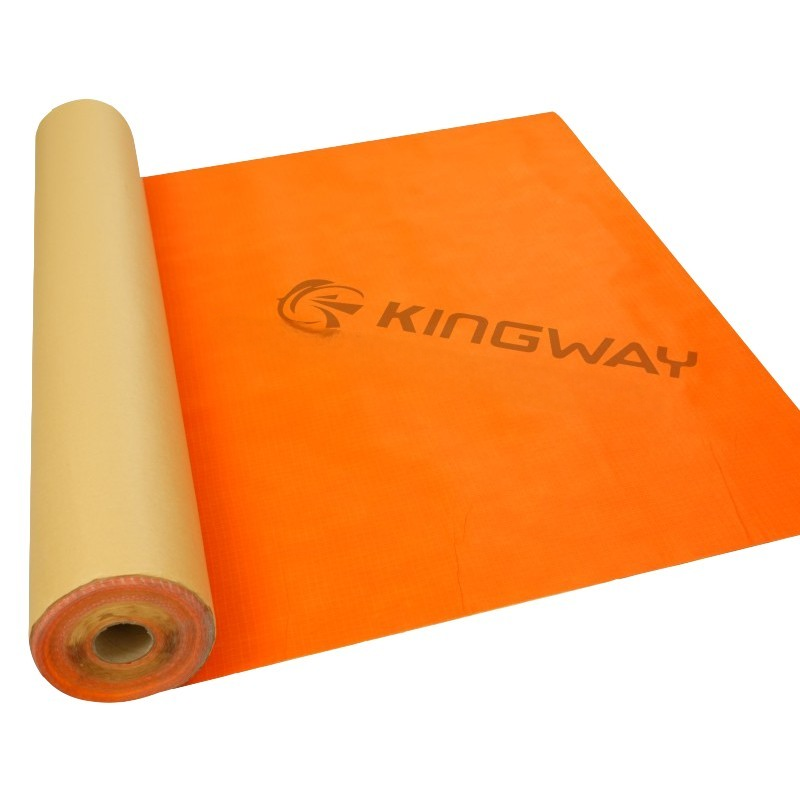
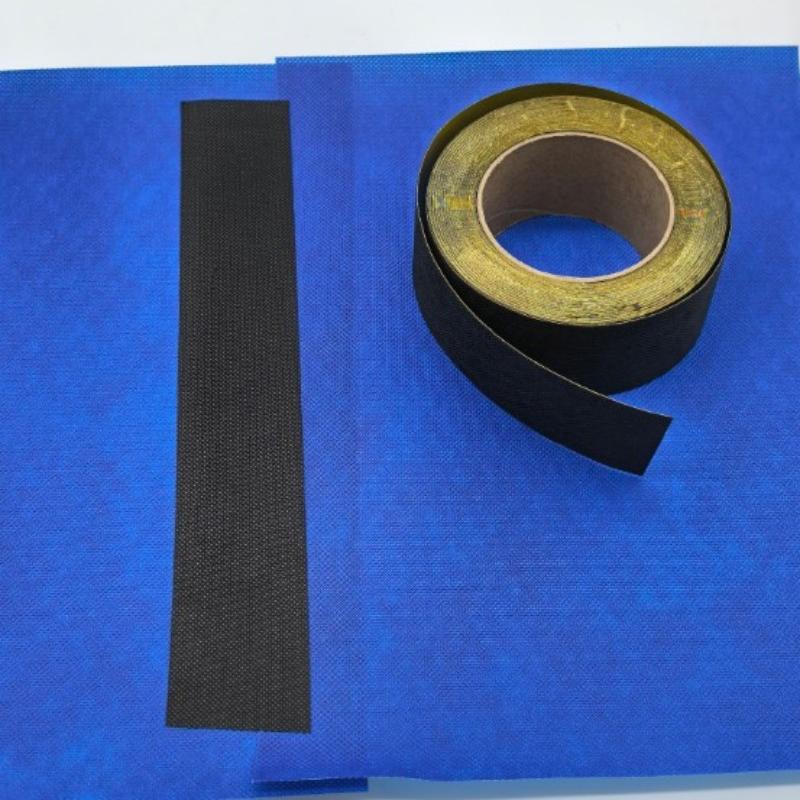
A vapor permeable membrane is a thin protective layer used in walls, roofs, and floors to manage moisture while allowing water vapor to pass through. The main purpose of a vapor permeable membrane is to stop wind-driven rain, snow, and liquid water from entering the building envelope, while helping trapped moisture escape. This balance reduces condensation, mold risk, wood decay, and insulation damage. Unlike a fully sealed plastic sheet, a vapor permeable membrane supports controlled drying. A vapor permeable membrane usually combines a tough base film, a water-resistant surface, and microscopic pores or a breathable coating. These features let vapor move outward without creating an easy path for bulk water. Many products also include high tear strength, UV resistance, and stable performance across changing temperatures. Some versions have an integrated adhesive strip, printed overlap guides, or a textured surface that improves installation speed. In a wall assembly, a vapor permeable membrane is installed outside the insulation and behind the cladding. In roofing, a vapor permeable membrane can sit beneath tiles, shingles, or metal panels to provide secondary weather protection. The vapor permeable membrane also suits timber frames, masonry renovations, ventilated facades, and pitched roofs. For renovation work, a vapor permeable membrane can improve moisture control without requiring major structural changes. Because a vapor permeable membrane supports drying in more than one direction, it helps protect materials when small amounts of moisture enter an assembly. A correctly selected vapor permeable membrane improves envelope durability, comfort, and long-term building performance. Overall, a vapor permeable membrane offers practical weather protection without sacrificing breathability.
Popular Products

The biggest advantage of a vapor permeable membrane is balanced moisture management. It blocks liquid water at the outside face, yet allows vapor to leave the wall or roof. This helps keep insulation dry and lets timber, sheathing, and masonry recover after construction moisture or a minor leak. A vapor permeable membrane can therefore reduce repair risk and extend the useful life of surrounding materials. It also improves project reliability. A vapor permeable membrane with clear markings, wide rolls, and strong tear resistance is easier for installers to handle, cut, and overlap. Faster fitting can lower labor time and reduce errors around corners, windows, vents, and service openings. Products with integrated tapes or adhesive zones may further simplify sealing. For buyers, this means fewer accessories and a more consistent installation. A vapor permeable membrane supports many construction types, including timber-frame homes, metal-frame buildings, pitched roofs, wall retrofits, and ventilated cladding systems. Its flexibility makes it useful for both new construction and refurbishment. In a cold climate, a vapor permeable membrane helps limit wind washing and protects insulation performance. In a warm or mixed climate, it gives assemblies a better chance to dry toward the exterior. The vapor permeable membrane can also improve indoor comfort by reducing drafts and helping the insulation work as designed. When comparing products, buyers should review vapor resistance, water resistance, UV exposure limits, tear strength, fire rating, roll size, and installation requirements. A vapor permeable membrane is not a substitute for correct flashing, drainage, ventilation, or sealed penetrations. The best value comes from matching the vapor permeable membrane to the climate, cladding, assembly design, and expected exposure. A properly specified vapor permeable membrane reduces callbacks, supports quality control, and gives owners stronger confidence in long-term envelope performance.

Tips And Tricks

Which house wrap brand offers the best balance of strength and price?

29

Jul

Which house wrap brand offers the best balance of strength and price?

Selecting the right house wrap is one of the most consequential decisions a builder or contractor makes during the construction envelope phase. The house wrap you choose affects moisture management, structural longevity, energy efficiency, and overal...
View More
What are the primary energy-saving advantages of a premium house wrap?

15

Jul

What are the primary energy-saving advantages of a premium house wrap?

A high-quality house wrap is one of the most cost-effective investments a builder or property owner can make when it comes to long-term energy efficiency. Installed beneath exterior cladding, a house wrap acts as a protective barrier that manages air...
View More
Can our certified airtight tape help buildings pass green certifications?

22

Sep

Can our certified airtight tape help buildings pass green certifications?

Green building certifications represent a significant commitment to environmental responsibility and energy efficiency. Buildings pursuing these certifications must meet rigorous performance standards that often include air leakage control as a criti...
View More
How does a membrana hidrofuga maintain wall breathability efficiently?

02

Sep

How does a membrana hidrofuga maintain wall breathability efficiently?

A membrana hidrofuga represents a critical advancement in modern building envelope design, specifically engineered to balance moisture protection with vapor permeability. This specialized barrier material allows buildings to breathe naturally while p...
View More

Get a Free Quote

Our representative will contact you soon.
Email
Name
Company Name
Message
0/1000

vapor permeable membrane

Reliable Moisture Balance

Reliable Moisture Balance

A vapor permeable membrane gives a building envelope two forms of protection at the same time. It turns away rain, snow, and wind-driven water from the exterior, while allowing water vapor to move through the assembly. This practical balance helps prevent moisture from becoming trapped behind cladding or beneath roof coverings. A vapor permeable membrane is especially valuable where insulation and timber need a path to dry after wet weather, construction delays, or small installation imperfections. By supporting outward drying, the vapor permeable membrane can reduce the conditions that encourage mold, rot, corrosion, and loss of insulation performance. Buyers gain a more forgiving wall or roof design, provided the complete assembly includes correct drainage and flashing. The vapor permeable membrane also helps protect finishes from moisture-related movement and staining. For homes, commercial buildings, and retrofit projects, this feature supports a healthier, more durable envelope without making the structure completely airtight to vapor.
Installer-Friendly Construction

Installer-Friendly Construction

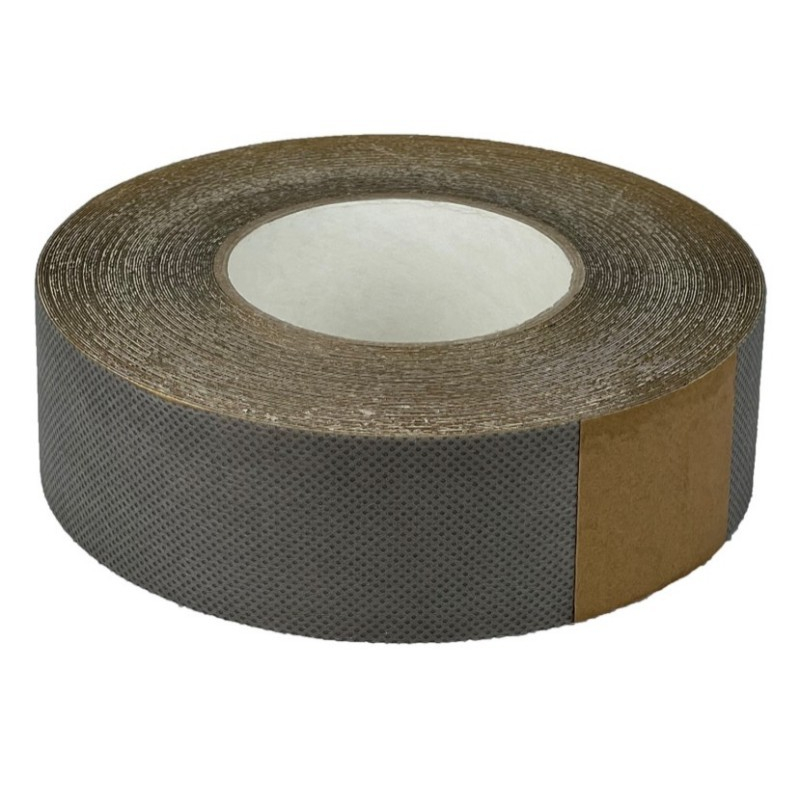
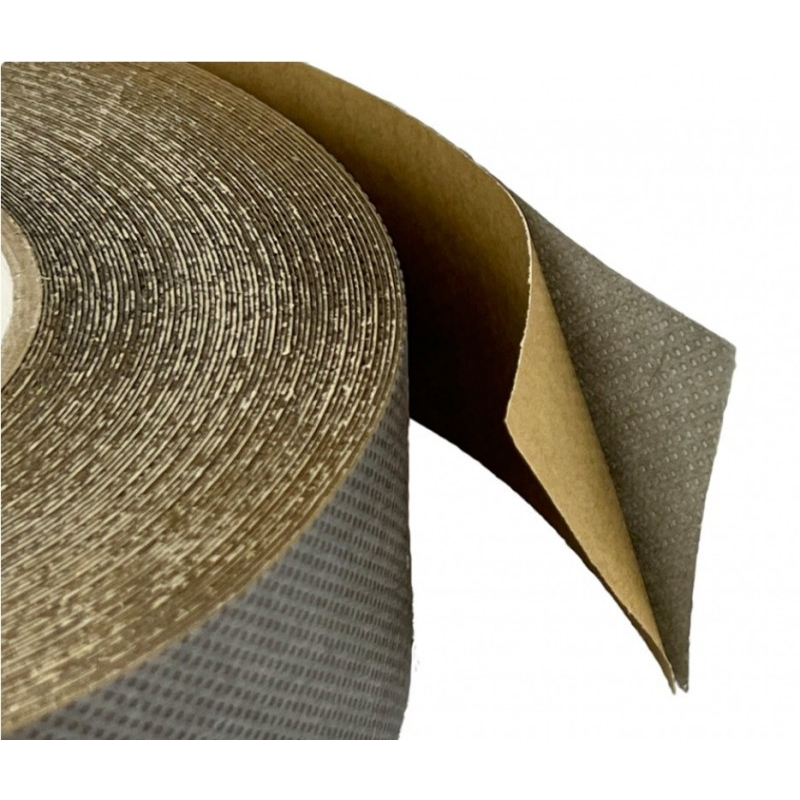
A vapor permeable membrane creates value not only through material performance but also through easier installation. Strong film construction helps the sheet resist tearing when workers pull it over framing, wrap corners, or secure it with fasteners. Clear overlap lines and printed orientation guides help teams place each run consistently. A vapor permeable membrane with an adhesive edge or compatible sealing tape can speed work around joints, windows, doors, and penetrations. Fewer complicated steps can reduce wasted material and limit gaps that weaken weather protection. This matters to contractors working under tight schedules and to owners who want predictable project costs. The vapor permeable membrane can also arrive in practical roll widths that cover large areas with fewer seams. When installed according to the product instructions, the vapor permeable membrane supports cleaner handover and easier quality checks. Its straightforward handling makes it suitable for new builds, roof replacement, and refurbishment work where access or working time may be limited.
Broad Application Flexibility

Broad Application Flexibility

A vapor permeable membrane can serve across several parts of the building envelope, which gives buyers more design flexibility. In pitched roofs, it provides a secondary barrier beneath tiles, shingles, or metal panels. In external walls, a vapor permeable membrane protects insulation and sheathing behind brick, render, siding, or ventilated cladding. It also works well in timber-frame construction, where moisture control is essential to protect structural members. During renovation, the vapor permeable membrane can improve weather resistance without forcing a complete rebuild of the wall system. Different grades support different exposure levels, UV periods, fire requirements, and installation conditions, so selection still requires technical review. The vapor permeable membrane is most effective when its vapor resistance matches the full assembly and when all laps, edges, and penetrations are sealed correctly. This flexibility lets architects, builders, and property owners choose a vapor permeable membrane that supports local climate needs, construction method, maintenance plans, and project budget.

Get a Free Quote

Our representative will contact you soon.
Email
Name
Company Name
Message
0/1000