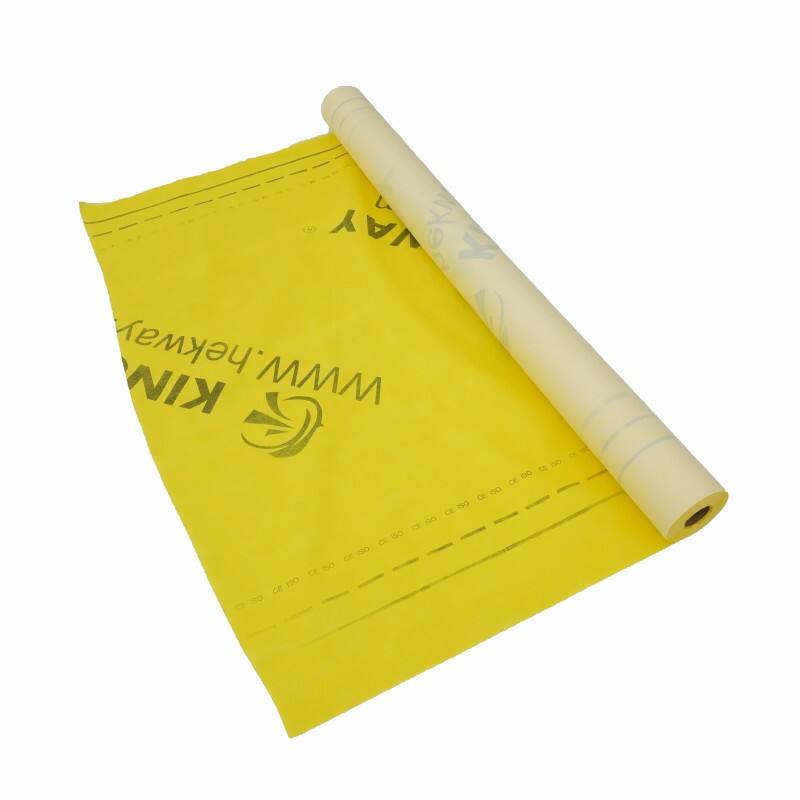
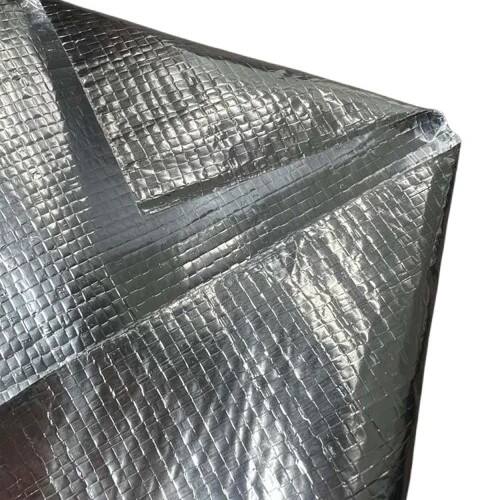
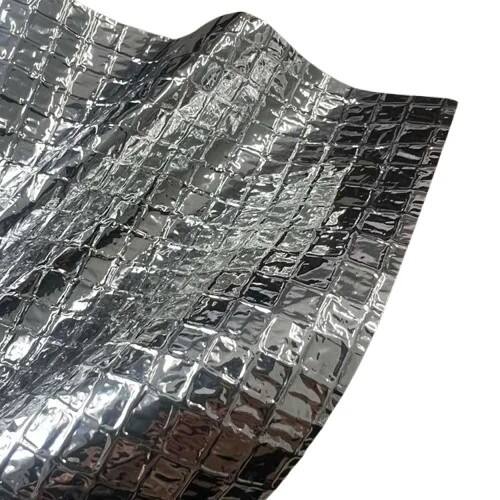
vapour permeable breather membranes
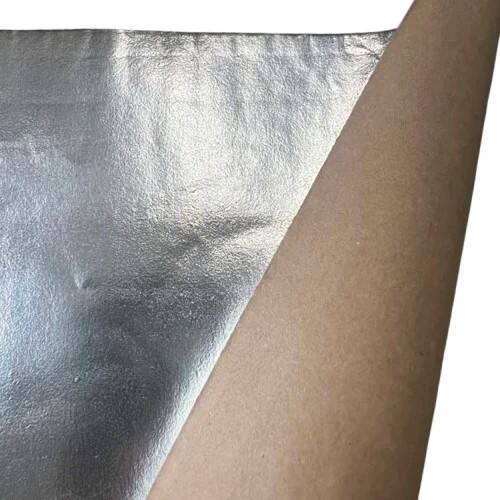
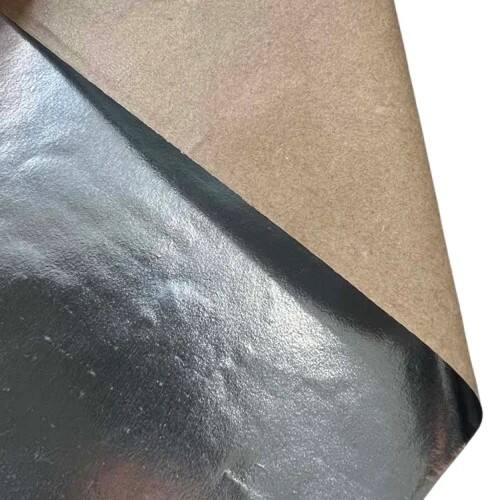
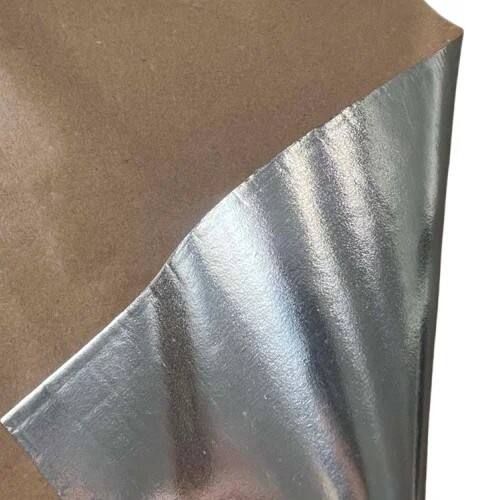
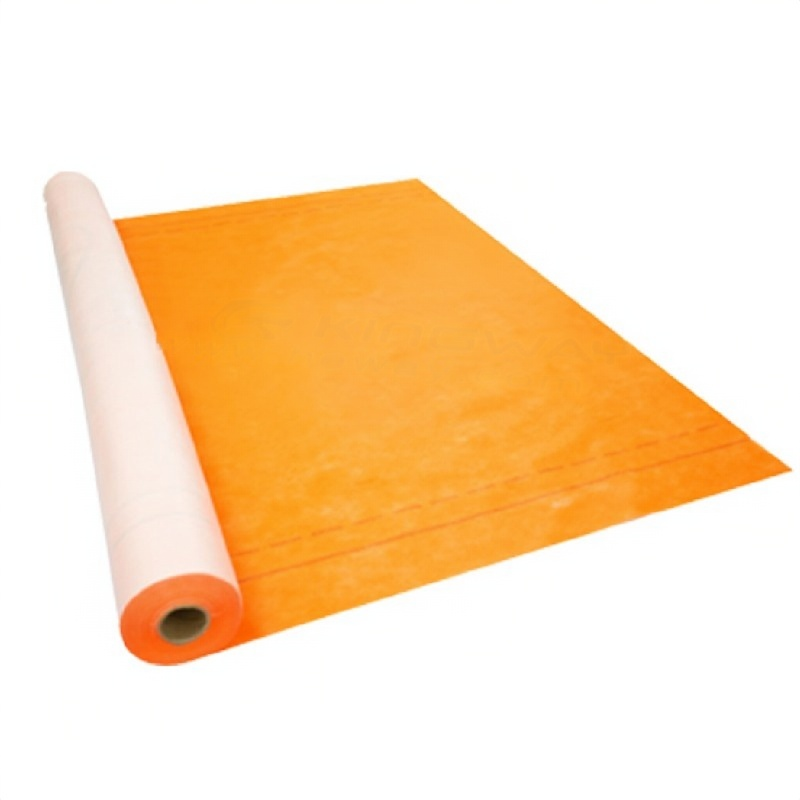
Vapour permeable breather membranes represent an essential component in modern building construction, designed to protect structures while allowing moisture management. These advanced membranes serve as a protective barrier installed beneath external cladding, roofing tiles, or wall finishes. The primary function of vapour permeable breather membranes is to prevent wind-driven rain and external moisture from penetrating the building envelope while simultaneously allowing water vapour from inside the structure to escape freely. This dual-action capability prevents condensation buildup within wall cavities and roof spaces, which could otherwise lead to structural damage, mould growth, and reduced insulation performance. The technological features of vapour permeable breather membranes include high breathability ratings, measured in grams per square metre per 24 hours, which indicates their moisture vapour transmission capacity. These membranes typically consist of multi-layer constructions incorporating microporous films or spunbond nonwoven fabrics that create millions of tiny pores. These pores are large enough to allow water vapour molecules to pass through but small enough to block liquid water droplets. Applications for vapour permeable breather membranes span residential housing, commercial buildings, and renovation projects. They are commonly used in pitched roof applications, timber frame construction, masonry wall systems, and ventilated facade assemblies. The membranes provide critical protection during construction phases and throughout the building's lifespan, ensuring long-term structural integrity and energy efficiency while maintaining healthy indoor air quality.