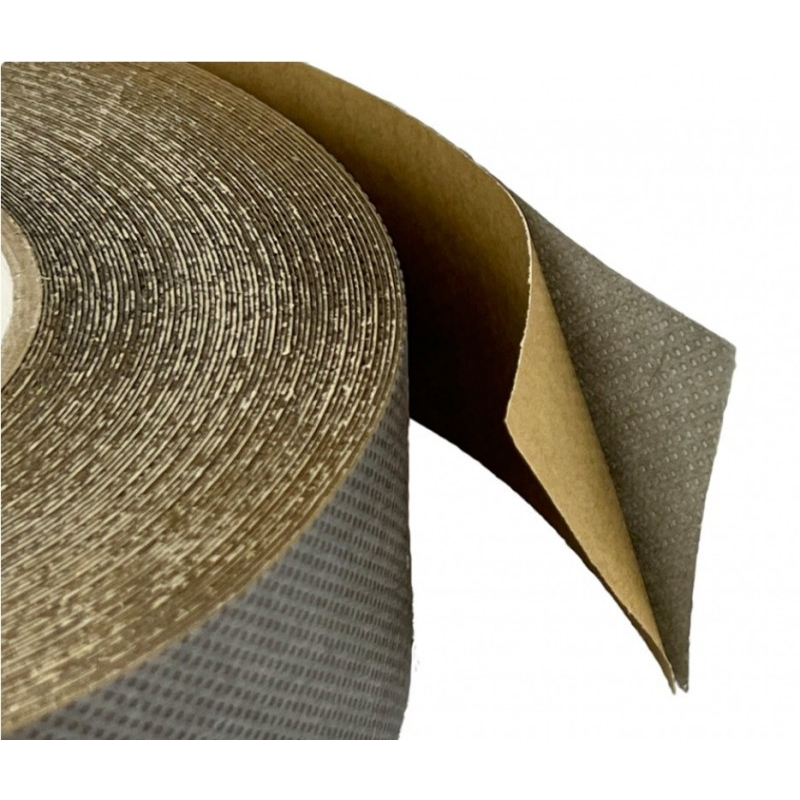
vapour open membrane
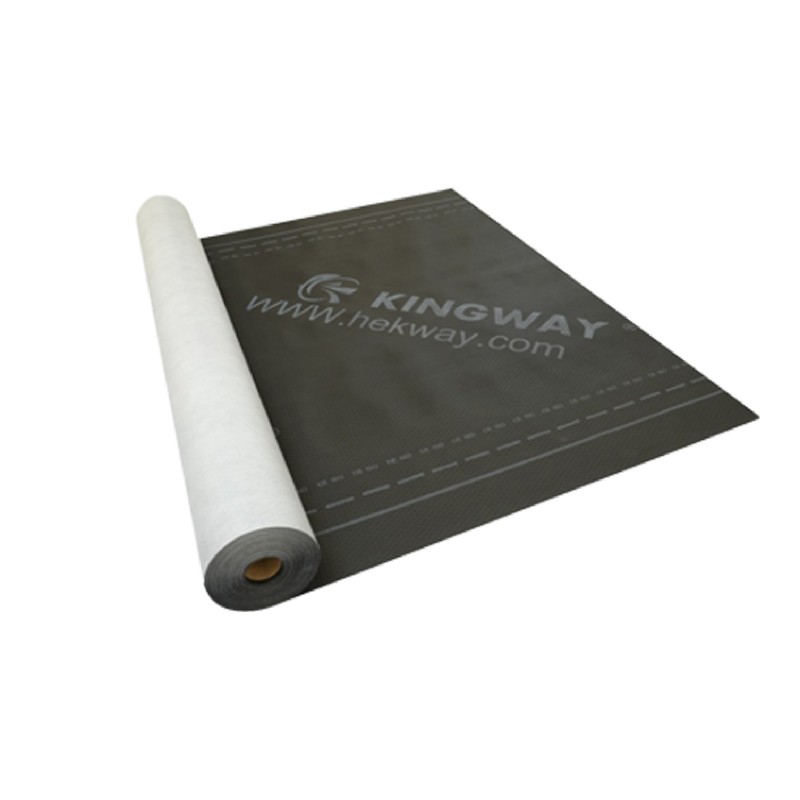
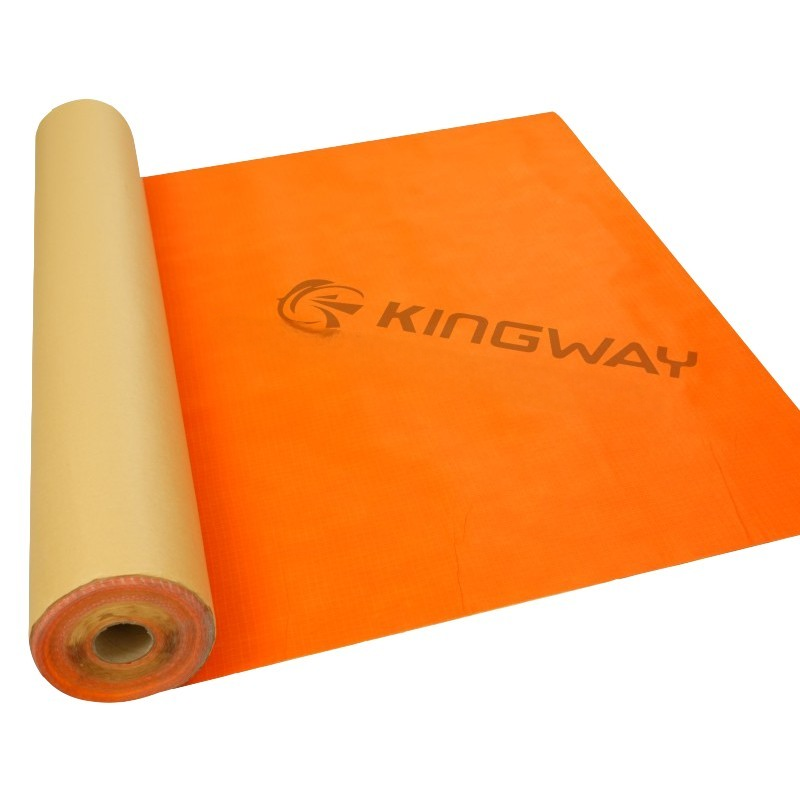
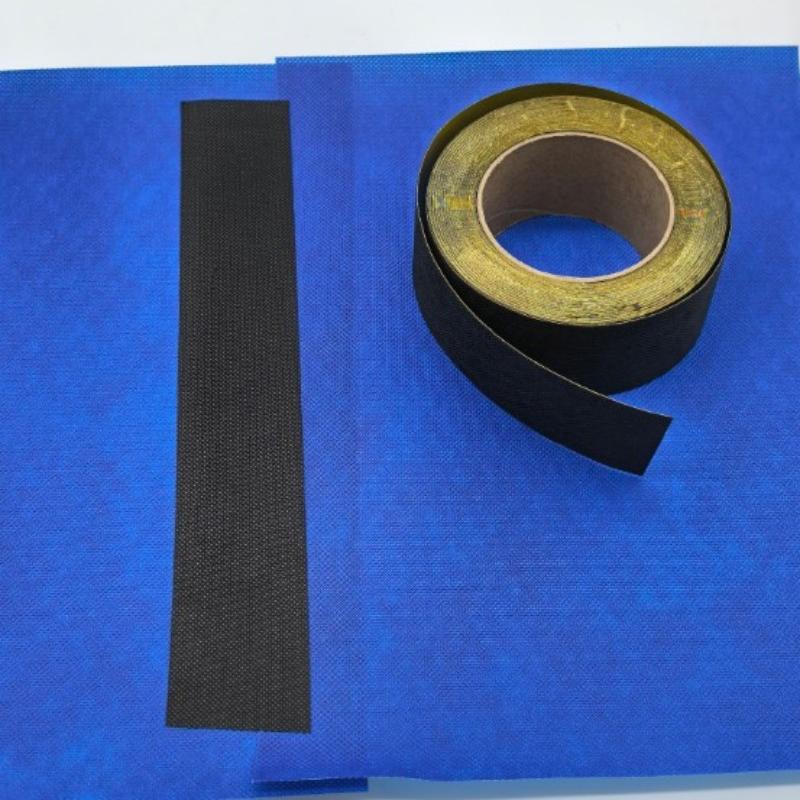
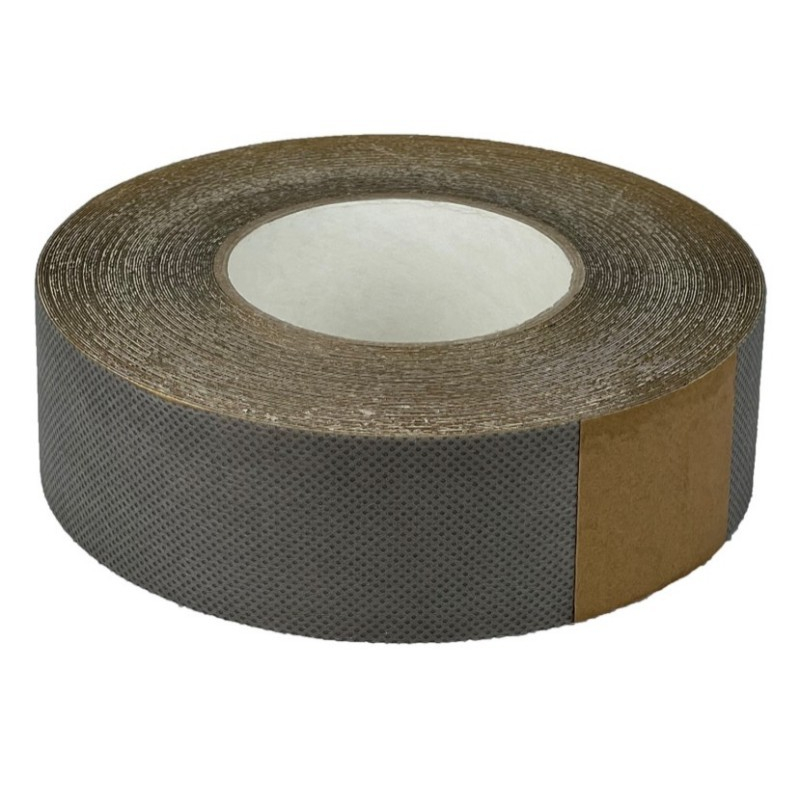
A vapour open membrane is a protective building layer designed to control moisture while allowing water vapour to pass through. This balance helps a wall, roof, or floor release trapped humidity instead of holding it inside the structure. A vapour open membrane helps reduce condensation risk, protect insulation, and support a healthier indoor environment. Unlike a fully sealed plastic sheet, a vapour open membrane can let vapour move outward when building conditions require it. The vapour open membrane still limits the entry of wind-driven rain, snow, and external moisture. This makes it an important part of a well-planned building envelope. In practice, the vapour open membrane works behind external cladding or beneath roof coverings, where it forms a continuous protective shield. The vapour open membrane may also improve airtightness when installers seal joints, edges, and service penetrations correctly. Its technical features commonly include a lightweight multi-layer structure, high tear resistance, water resistance, and controlled vapour permeability. Some products include printed overlap guides, adhesive strips, or marked fixing lines to speed up installation. A vapour open membrane supports timber frame walls, pitched roofs, modular buildings, and refurbishment projects. The vapour open membrane can be used with insulation systems that need reliable drying potential. Because it combines weather protection with moisture release, the vapour open membrane helps designers manage changing temperatures and humidity levels. The vapour open membrane is available in different grades, so buyers should check permeability, durability, fire performance, exposure limits, and compatibility with the chosen cladding. Correct detailing remains essential. When fitted as part of a complete system, the vapour open membrane provides dependable protection without unnecessarily blocking the natural movement of vapour through the construction.