vapour permeable membrane for walls
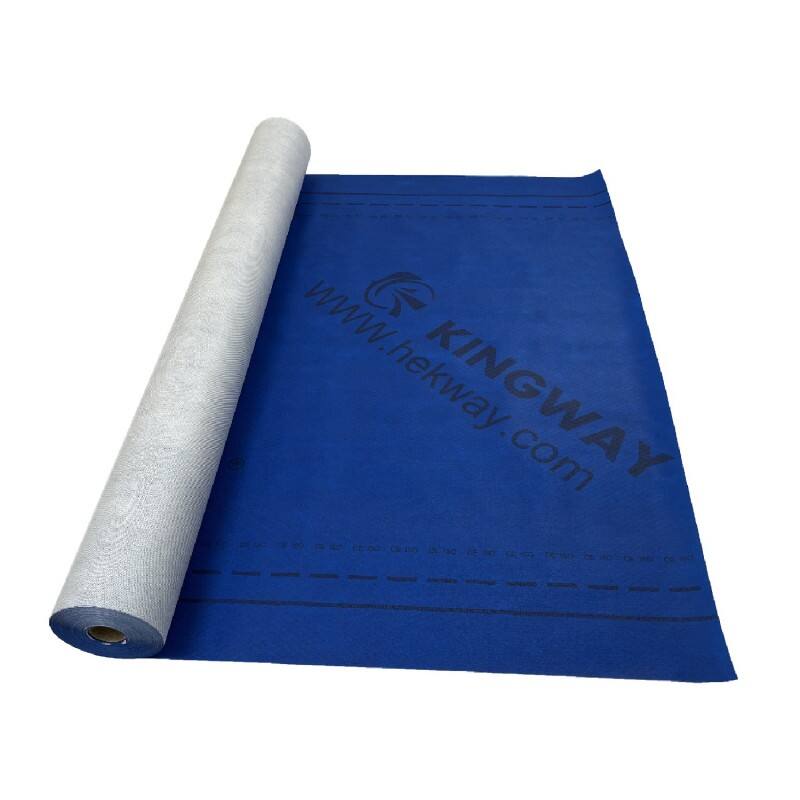
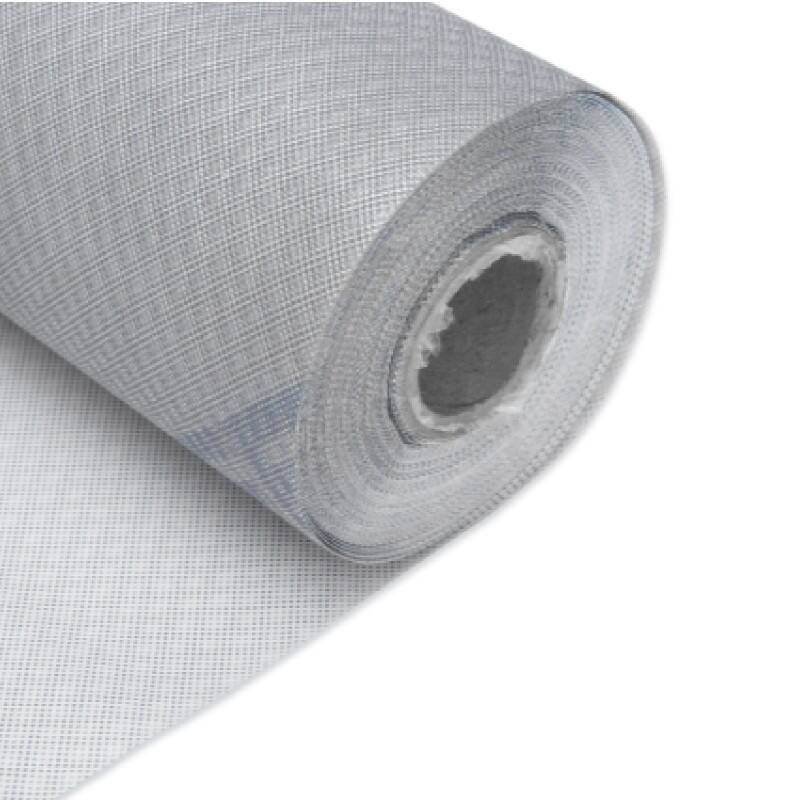
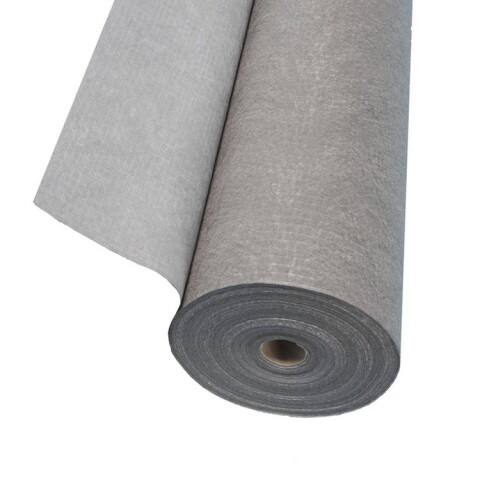
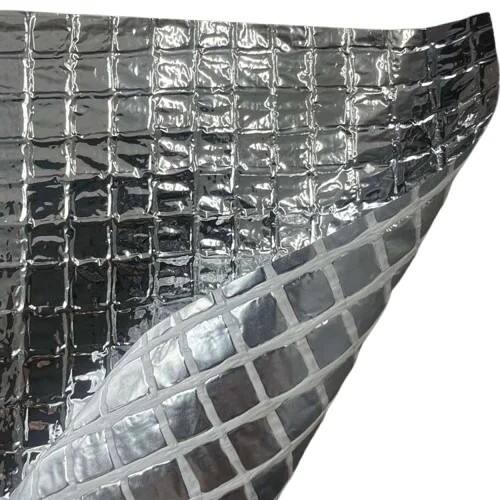
A vapour permeable membrane for walls is an advanced building material designed to protect wall structures while managing moisture effectively. This specialized membrane allows water vapour to escape from within the building fabric while preventing liquid water and wind from penetrating the exterior walls. The technology works through microscopic pores that are large enough to permit vapour molecules to pass through but small enough to block water droplets and air currents. The primary functions include condensation control, weather protection, and thermal efficiency enhancement. By installing a vapour permeable membrane for walls, builders create a breathable barrier that maintains the structural integrity of walls by preventing moisture accumulation that could lead to mold growth, timber decay, and insulation degradation. The membrane is typically installed on the external side of insulation layers in timber frame construction, masonry cavity walls, and render systems. Technological features include high water resistance ratings measured in water column height, excellent vapour permeability measured in SD values, and UV resistance for temporary exposure during construction. The material composition often involves synthetic polymers or treated fabrics engineered for durability and consistent performance across varying climate conditions. Applications span residential construction, commercial buildings, and renovation projects where moisture management is critical. The vapour permeable membrane for walls has become an essential component in modern construction standards, contributing to energy-efficient buildings that meet stringent building regulations while protecting against weather-related damage and ensuring long-term durability of wall assemblies.