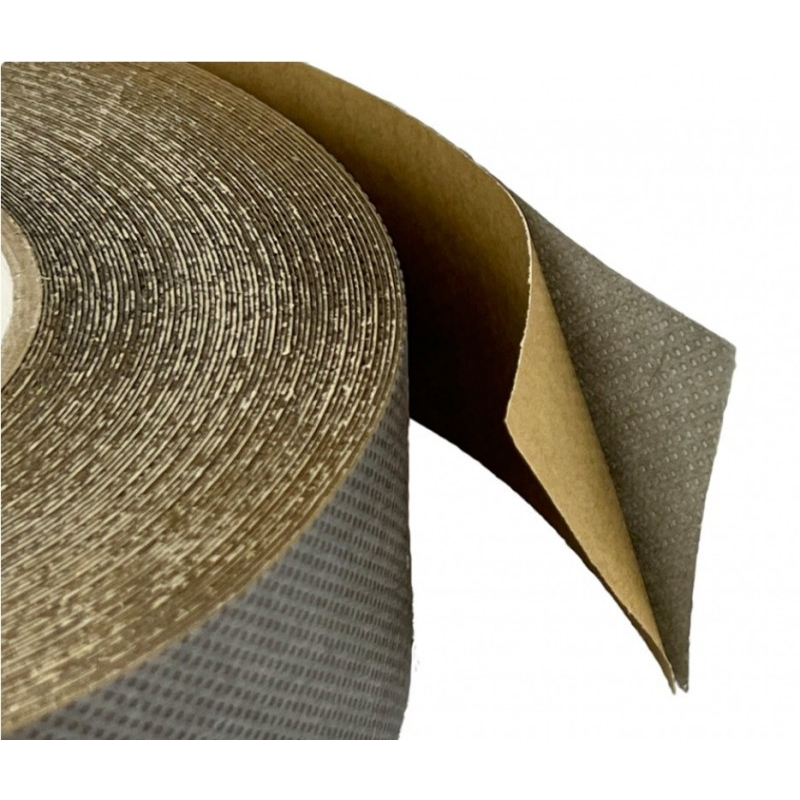
high permeability vapour membrane
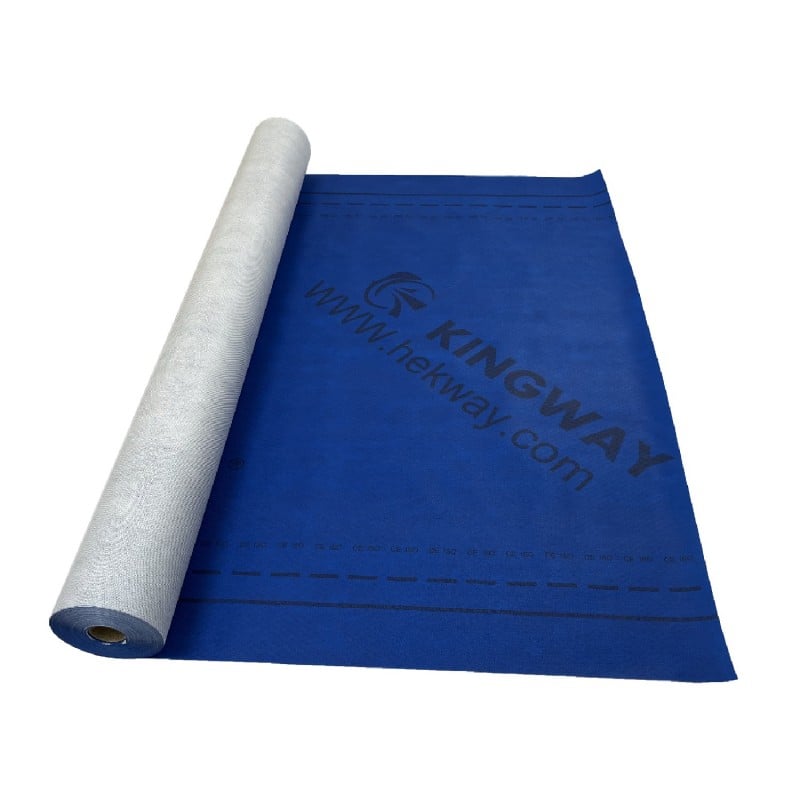
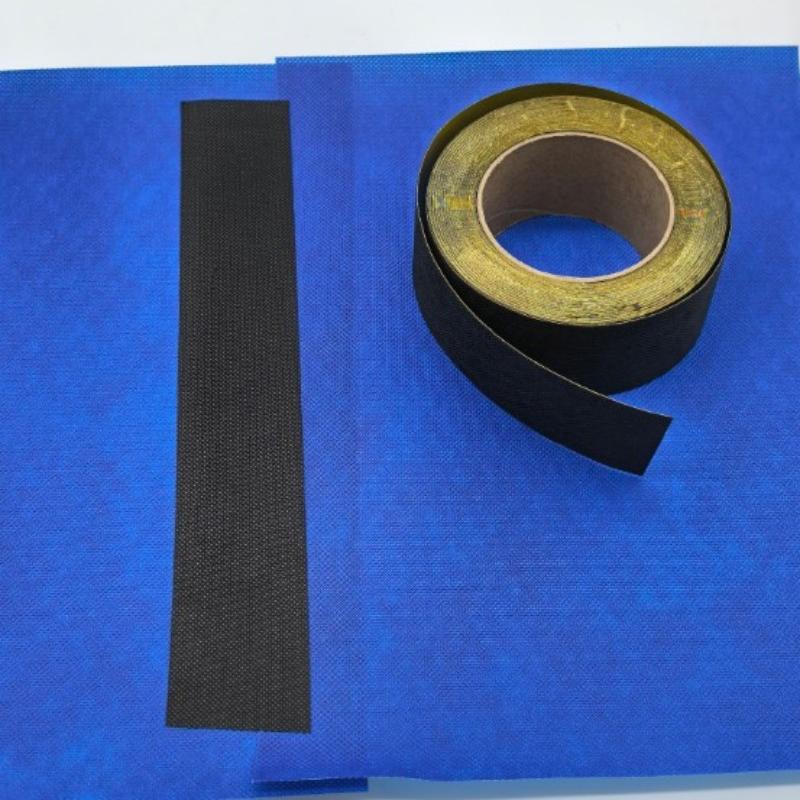
A high permeability vapour membrane is a breathable building sheet that manages moisture within roofs, walls, floors, and other insulated structures. The high permeability vapour membrane allows water vapour to pass through while helping stop wind-driven rain, snow, and liquid water from entering the construction. This balance helps the building dry safely and reduces the risk of trapped moisture. In a roof assembly, the high permeability vapour membrane normally sits above the insulation and below the external covering. In wall systems, it can protect insulation and framing behind cladding, brickwork, or ventilated facades. A high permeability vapour membrane can also support airtight, weather-resistant construction when installers seal overlaps, edges, and service openings correctly. Unlike a basic plastic sheet, it does not unnecessarily block vapour movement. This feature helps the high permeability vapour membrane suit renovation work, new construction, cold climates, and mixed-weather conditions. The product typically uses a multi-layer polymer structure with a strong reinforcing layer and a water-resistant surface. Manufacturers may add UV resistance, tear resistance, anti-slip texture, or coloured printing for easier installation. When specified correctly, the high permeability vapour membrane helps preserve insulation performance, reduce condensation concerns, and extend the service life of the building envelope. Buyers should check vapour permeability, water resistance, tensile strength, installation temperature, exposure limits, and compatibility with adjacent materials. The high permeability vapour membrane should match the roof or wall design, local climate, and expected construction schedule. It is a practical moisture-management component rather than a replacement for ventilation, drainage, or careful detailing.