Breathable House Wrap for Durable Walls

breathable house wrap

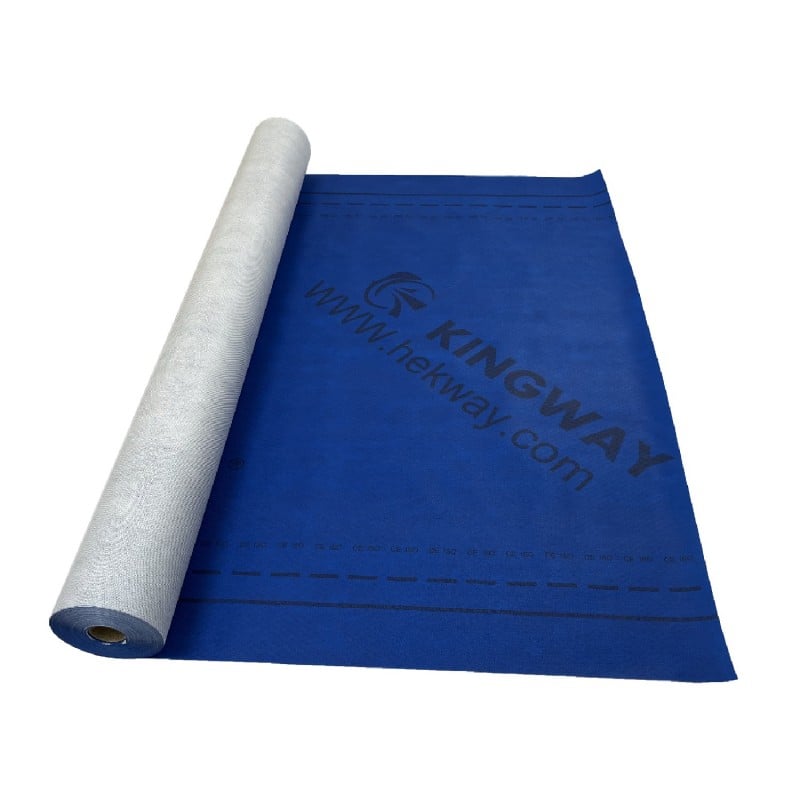
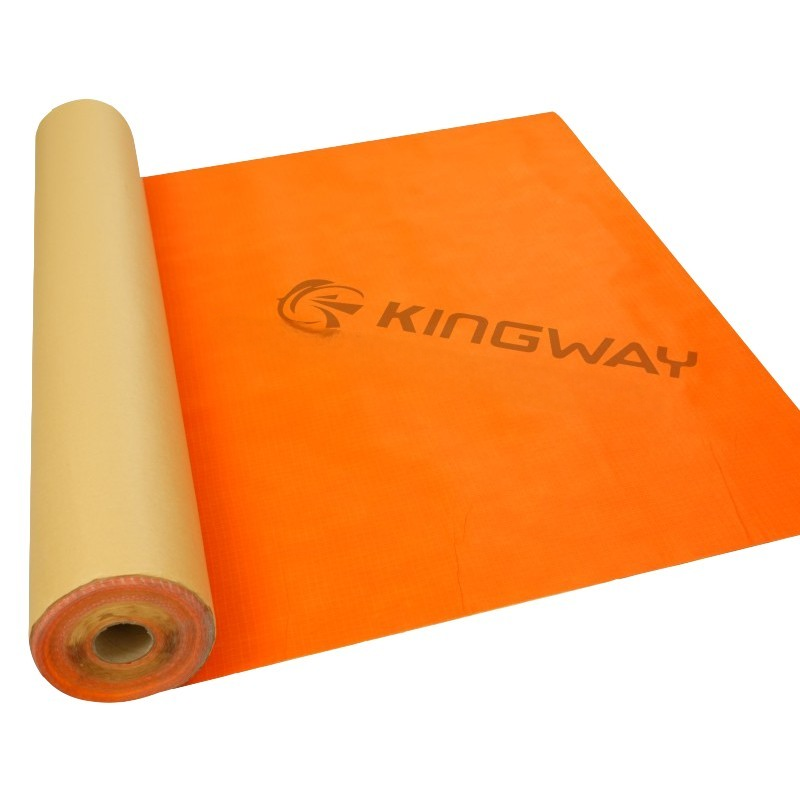
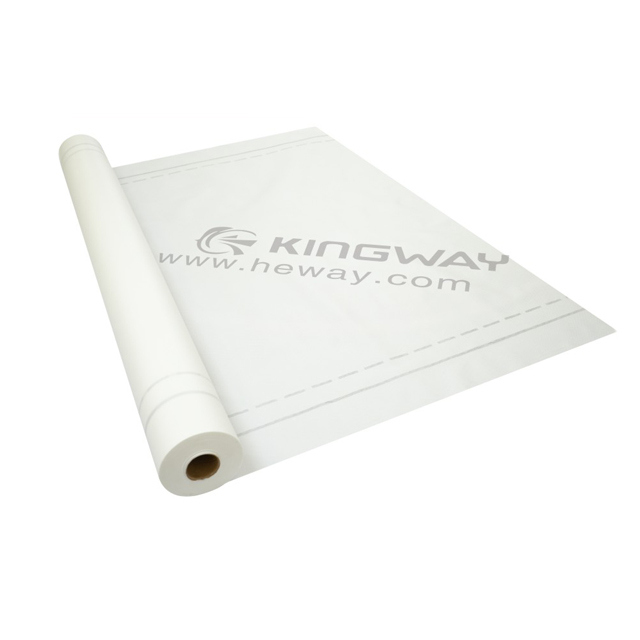
A breathable house wrap is a protective sheet installed behind exterior siding, cladding, or masonry veneer. It helps control water, air, and vapor while allowing trapped moisture to escape from the wall assembly. In practical terms, the breathable house wrap protects insulation, sheathing, and framing from rain-driven water without sealing the wall so tightly that dampness remains inside. The breathable house wrap creates a continuous secondary weather barrier beneath the outer finish. It also reduces uncontrolled air movement, which supports steadier indoor temperatures and lower heating or cooling demand. When the breathable house wrap is installed with properly sealed seams, it can help stop drafts around joints, corners, windows, and doors. This breathable house wrap commonly uses a strong, lightweight polymer membrane with a water-resistant surface and microscopic pores. These pores block liquid water while permitting water vapor to pass outward. A breathable house wrap may also include reinforced layers, printed overlap guides, UV resistance, and easy-tear or easy-cut construction. Unlike ordinary plastic film, a breathable house wrap supports more balanced moisture management in walls. A breathable house wrap suits new construction, renovation, and many exterior insulation systems. For builders, the breathable house wrap offers a practical layer that works beneath fiber cement, vinyl, wood, metal, and other cladding types. As a wall system component, it supports durability without changing the visible design. Choosing a breathable house wrap gives property owners a simple way to improve weather protection before the exterior finish is completed.

Popular Products

The main advantage of a breathable house wrap is dependable moisture control. Rain and splash water can reach the exterior wall during storms, but a breathable house wrap helps direct that water away from sensitive materials. At the same time, vapor from indoor activities can move toward the outside instead of collecting inside the wall. This balance can reduce the risk of mold, rot, staining, and insulation performance loss. A breathable house wrap also improves comfort by limiting wind penetration through small gaps in the wall assembly. With fewer drafts, rooms can feel more even, and heating or cooling equipment may run less often. The breathable house wrap can therefore support energy savings, although actual results depend on insulation, window quality, airtightness, climate, and installation. For contractors, the breathable house wrap is light enough to carry, cut, and position quickly. Many rolls cover large areas, helping reduce handling time and material waste. Printed lines can guide overlaps and fastener placement, while flexible sheets conform to corners and irregular surfaces. A breathable house wrap works well behind common siding systems, so buyers can select a suitable barrier without changing the planned facade. It fits timber frames, renovation walls, additions, and selected insulated wall designs. The breathable house wrap can also protect the structure during the period between framing and final cladding, provided the product meets its exposure rating. Buyers should compare water resistance, vapor performance, tear strength, UV exposure time, roll size, warranty, and local code requirements. A breathable house wrap is not a replacement for flashing, drainage details, sealants, or skilled installation. Its value appears when the full wall system manages water from the roof, openings, joints, and ground. Selecting the breathable house wrap for the climate and cladding type helps balance cost, speed, comfort, and long-term wall protection. This practical choice can lower repair risk and give installers greater confidence during construction.

Practical Tips

Can a high-quality house wrap enhance your home comfort levels?

22

Jul

Can a high-quality house wrap enhance your home comfort levels?

Yes, a high-quality house wrap can significantly enhance your home comfort levels, and the evidence from both building science and real-world construction experience supports this clearly. A house wrap is a protective barrier installed between your e...
View More
Why is our single sided tape the best choice for flashing joints?

03

Aug

Why is our single sided tape the best choice for flashing joints?

When it comes to sealing flashing joints in construction and weatherproofing applications, choosing the right material makes a profound difference in long-term building performance. Single sided tape has emerged as the industry standard for this crit...
View More
Why do international contractors buy our certified membrana hidrofuga?

14

Sep

Why do international contractors buy our certified membrana hidrofuga?

International contractors consistently choose our membrana hidrofuga for one fundamental reason: proven performance under demanding conditions. When builders and developers work across multiple continents and climate zones, they need materials that d...
View More
How to choose a membrana hidrofuga for low-slope residential roofs?

12

Oct

How to choose a membrana hidrofuga for low-slope residential roofs?

Selecting the right membrana hidrofuga for low-slope residential roofs is one of the most critical decisions in roof construction and renovation projects. A membrana hidrofuga serves as the primary defense against water infiltration, protecting struc...
View More

Get a Free Quote

Our representative will contact you soon.
Email
Name
Company Name
Message
0/1000

breathable house wrap

Balanced Moisture Release

Balanced Moisture Release

A breathable house wrap protects against outside water while helping indoor moisture leave the wall. This two-way function matters because walls face changing conditions throughout the year. Rain can move behind siding through joints, wind pressure, or small defects, while cooking, washing, and normal occupancy add vapor indoors. The breathable house wrap forms a water-resistant screen that limits liquid entry and gives vapor a path toward the exterior. That pathway can help keep sheathing and insulation drier, especially when the wall has been designed with suitable drainage and ventilation. The breathable house wrap does not make a wall automatically waterproof; flashing, taped seams, window detailing, and correct laps still matter. However, it adds an important layer of protection before moisture reaches structural materials. For property owners, this feature supports healthier, longer-lasting walls. For installers, it provides a clear moisture-management role that is easy to understand and coordinate with other weatherproofing products.
Reliable Air and Weather Barrier

Reliable Air and Weather Barrier

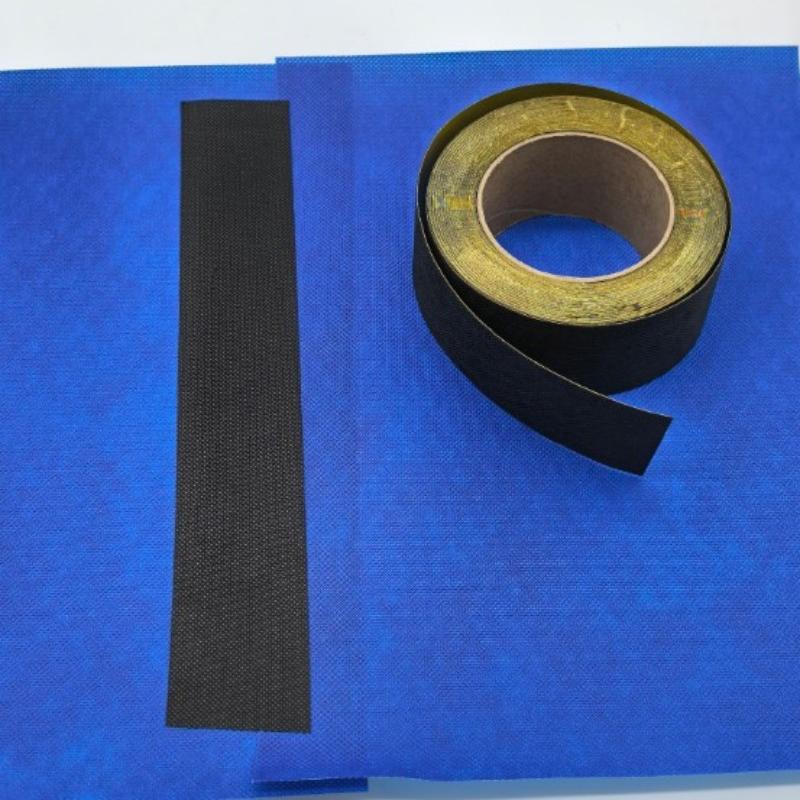
A breathable house wrap can reduce uncontrolled air movement through the outer wall while resisting wind-driven rain. This feature gives the building envelope a more consistent protective line behind the visible cladding. The breathable house wrap helps close minor gaps that would otherwise let cold air enter during winter or conditioned air escape in summer. Better control of air movement can improve room comfort and reduce pressure on heating and cooling systems. It can also help limit dust and outdoor pollutants that travel through open wall joints. The breathable house wrap remains flexible, so installers can wrap corners, wall transitions, and difficult areas with fewer breaks in coverage. Taped overlaps and compatible sealants complete the barrier around penetrations and openings. For buyers, the benefit is practical: a better-protected wall can feel quieter, more comfortable, and less vulnerable to severe weather. The breathable house wrap supports performance without adding visible changes to the finished exterior.
Fast Installation Across Projects

Fast Installation Across Projects

A breathable house wrap offers a convenient installation layer for new homes, extensions, commercial buildings, and renovation work. Its low weight makes rolls easier to move around a jobsite, while the breathable house wrap can be cut with common site tools and fixed with approved fasteners. Many products include printed overlap marks, directional guides, or measurement lines that help teams work consistently. The breathable house wrap can cover framing before the final cladding arrives, giving the structure temporary weather support within the product's stated exposure period. It fits behind wood, vinyl, fiber cement, metal, and other exterior finishes when the specification allows. Renovation teams can also use a breathable house wrap to upgrade wall protection without redesigning the entire facade. Choosing the breathable house wrap with the correct strength, permeability, UV rating, and local approvals helps prevent delays. The result is a practical combination of coverage, handling efficiency, and dependable support for the complete wall assembly.

Get a Free Quote

Our representative will contact you soon.
Email
Name
Company Name
Message
0/1000