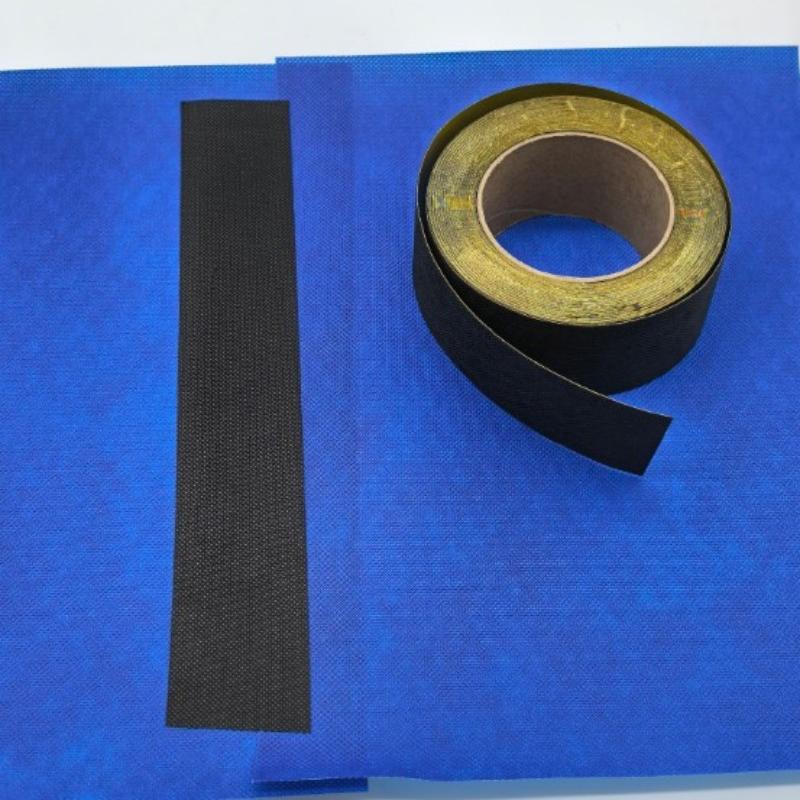
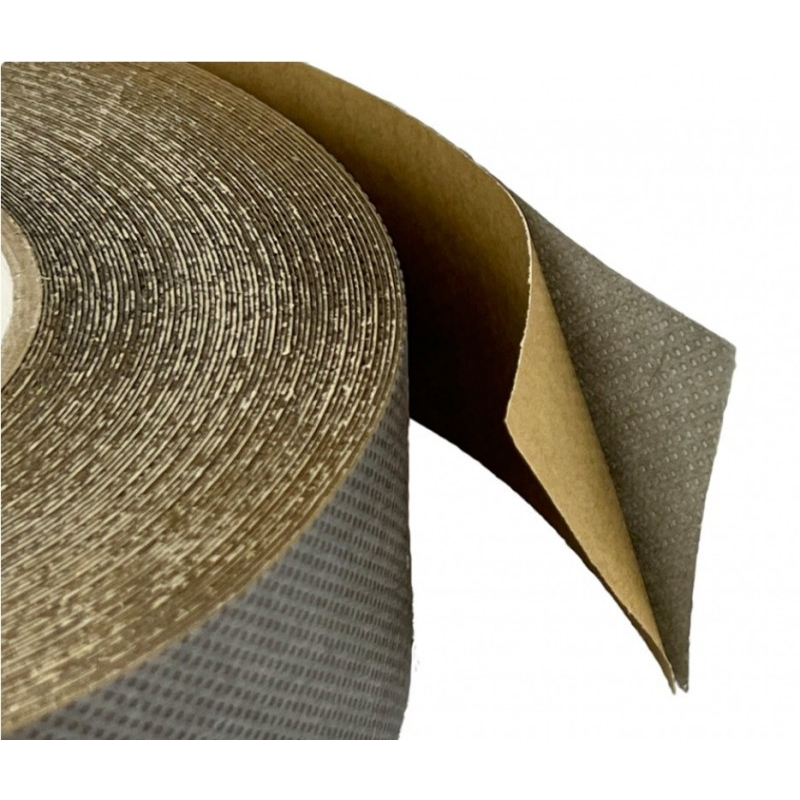
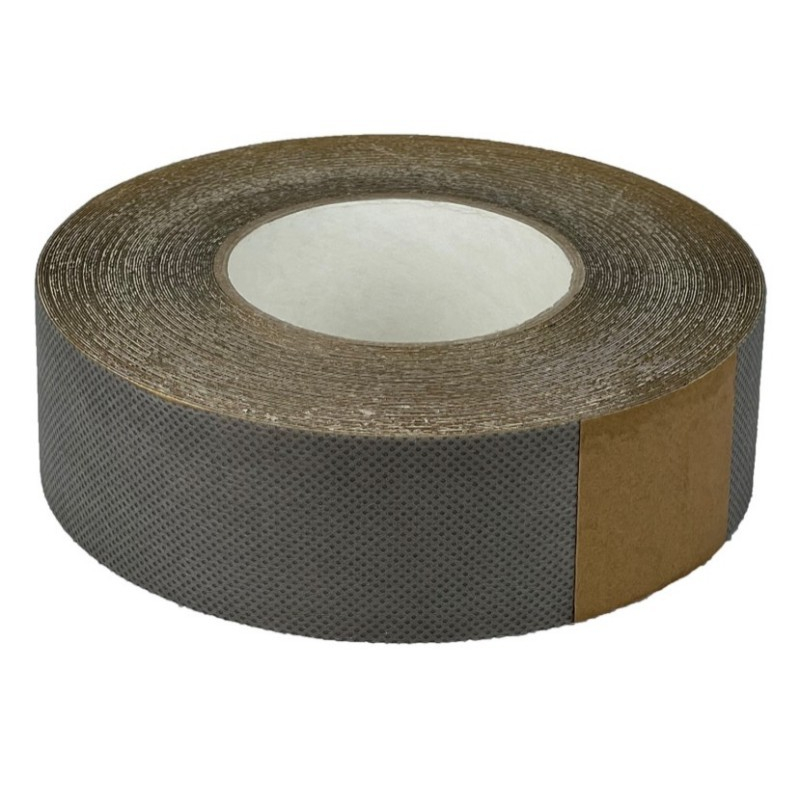
house wrap roll
A house wrap roll is a flexible weather-resistant membrane installed behind exterior siding, cladding, or masonry. It creates a protective layer around the building envelope while allowing walls to manage moisture and air more effectively. The main purpose of a house wrap roll is to help stop wind-driven rain from reaching sheathing and insulation. It also reduces uncontrolled air movement, which can improve indoor comfort and support more stable heating and cooling performance. At the same time, many modern membranes allow water vapor to move outward, helping wall assemblies dry when conditions change.
A house wrap roll typically uses a lightweight synthetic sheet with reinforcing fibers, a water-repellent surface, and controlled vapor properties. Some products include integrated drainage channels, printed overlap guides, tear-resistant layers, or marked stud lines that speed installation. The roll format covers large wall areas with fewer seams than small sheets, reducing handling time and creating a consistent protective surface. Depending on the model, the material may include UV exposure protection for limited construction periods and compatibility with common tapes, flashing, fasteners, and sealants.
Contractors use a house wrap roll in new residential construction, commercial buildings, remodeling projects, and exterior wall upgrades. It can suit wood, metal, and certain engineered sheathing systems when the manufacturer’s installation instructions are followed. A house wrap roll is placed outside the sheathing and beneath the finished exterior layer. Proper lapping, fastening, sealing, and detailing around windows and doors remain essential. As a practical building component, a house wrap roll supports moisture control, air management, and long-term wall protection without adding significant bulk or weight.