Waterproof House Wrap for Durable Homes

waterproof house wrap

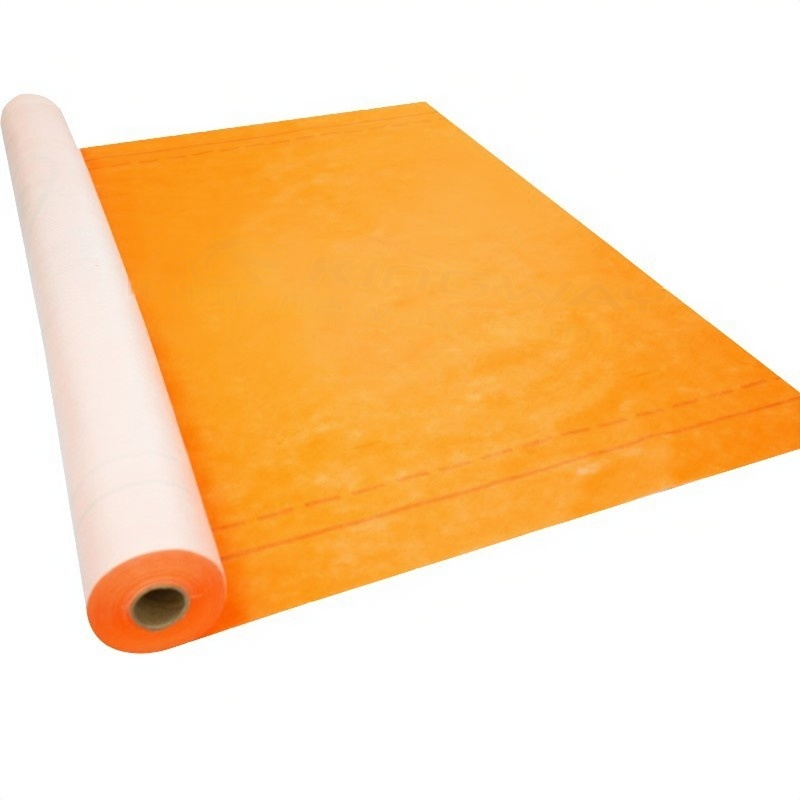
A waterproof house wrap is a flexible protective membrane installed behind exterior siding, cladding, or other wall finishes. Its main job is to stop rain and wind-driven moisture from reaching wall insulation, sheathing, framing, and interior spaces. At the same time, a quality waterproof house wrap allows trapped water vapor to move outward, helping walls dry and reducing the risk of mold, rot, stains, and reduced insulation performance. The waterproof house wrap also limits air movement through small gaps, which can improve indoor comfort and reduce heating or cooling demand. Modern products use strong synthetic layers, water-resistant surfaces, and controlled vapor permeability. Many include printed overlap guides, marked fastening zones, and tear-resistant reinforcement to support faster installation. Some versions combine drainage channels with a textured surface, creating a small space that helps liquid water run down and away from the wall. A waterproof house wrap suits wood-frame homes, commercial buildings, extensions, garages, and remodeling projects. Installers place the waterproof house wrap over exterior sheathing before applying siding, brick veneer, stone, or metal panels. Proper lapping, sealing, and flashing remain essential because the membrane works as part of a complete wall system. Buyers can select a waterproof house wrap based on climate, exposure, wall design, UV exposure during construction, and the selected finish. With the right specification, the waterproof house wrap protects the building envelope while supporting durable construction, practical installation, and long-term energy performance.

New Product Recommendations

Choosing a waterproof house wrap gives a building a dependable second line of defense behind its exterior finish. If wind pushes rain through siding joints or small openings, the waterproof house wrap helps block that water before it reaches insulation and structural wood. This protection can lower the chance of expensive repairs caused by swelling, decay, peeling finishes, or damp indoor walls. The waterproof house wrap also supports better air control. By reducing uncontrolled drafts, it can help rooms feel more even and reduce pressure on heating and cooling equipment. That benefit matters to homeowners seeking comfort, lower utility use, and a more stable indoor environment. For builders, the waterproof house wrap can simplify site work when it combines clear overlap marks, useful fastening lines, and easy cutting. Lightweight rolls are easier to carry and position than rigid protection boards, while flexible material fits around corners, openings, and irregular surfaces. A suitable waterproof house wrap works with common siding systems, including fiber cement, vinyl, wood, metal, brick veneer, and manufactured stone. It also suits new construction and renovation work, provided the installer follows the wall design and local building requirements. Product selection should consider water resistance, drying capability, tear strength, exposure time, roll size, and compatibility with tapes or sealants. In wet, windy, or cold regions, stronger water management and reliable seam treatment become especially important. The waterproof house wrap does not replace flashing, drainage details, or correct siding installation. Instead, it adds practical protection to the complete enclosure. Buyers gain a clearer path to durable walls, fewer moisture concerns, and better confidence that the finished building will perform through changing weather.

Practical Tips

Why is a commercial-grade house wrap essential for modern facades?

08

Jul

Why is a commercial-grade house wrap essential for modern facades?

Modern building facades face constant exposure to wind-driven rain, temperature swings, and moisture intrusion. A high-performance house wrap addresses all of these challenges simultaneously. When construction teams install a commercial-grade house w...
View More
Why is a certified waterproof breathable membrane worth investing in?

20

Aug

Why is a certified waterproof breathable membrane worth investing in?

A waterproof breathable membrane represents a critical investment for any construction or building renovation project. Unlike simple plastic barriers, this engineered material serves dual purposes that directly impact structural longevity, occupant c...
View More
What are the structural advantages of our high-adhesion single sided tape?

10

Aug

What are the structural advantages of our high-adhesion single sided tape?

High-adhesion single sided tape represents a critical advancement in industrial bonding solutions, particularly for applications requiring durable connections between breathable membranes and vapor barriers. Unlike conventional adhesive tapes, high-a...
View More
Why do international contractors buy our certified membrana hidrofuga?

14

Sep

Why do international contractors buy our certified membrana hidrofuga?

International contractors consistently choose our membrana hidrofuga for one fundamental reason: proven performance under demanding conditions. When builders and developers work across multiple continents and climate zones, they need materials that d...
View More

Get a Free Quote

Our representative will contact you soon.
Email
Name
Company Name
Message
0/1000

waterproof house wrap

Reliable Moisture Defense

Reliable Moisture Defense

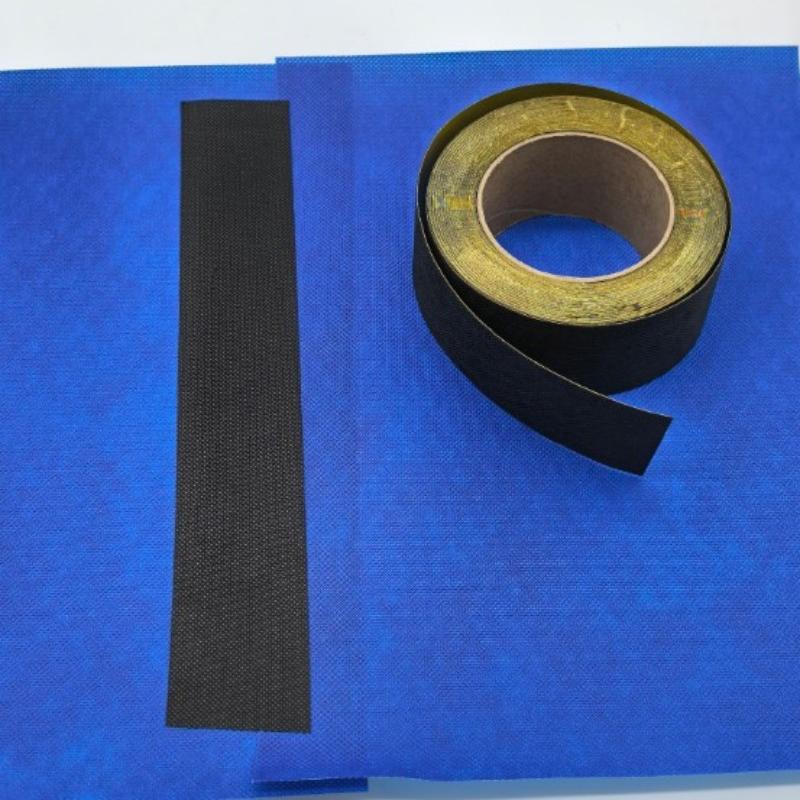
The waterproof house wrap creates a continuous barrier behind the exterior finish, helping stop rain from reaching sensitive wall components. Its water-resistant outer layer turns many droplets away, while properly overlapped seams support a more complete defense against wind-driven weather. This matters because moisture hidden behind siding can remain unnoticed until it causes swelling, stains, odor, mold, or structural damage. A waterproof house wrap gives builders and property owners more time and protection when exterior cladding cannot block every opening. It works especially well around large wall areas, where consistent coverage can reduce weak points across the building envelope. The material remains flexible enough to cover sheathing and follow normal wall contours without adding unnecessary bulk. Buyers should still use compatible flashing, tape, and sealant at windows, doors, corners, and penetrations. When those details are completed correctly, the waterproof house wrap helps create a drier, more durable wall assembly and protects the investment in insulation and exterior finishes.
Breathable Wall Performance

Breathable Wall Performance

A modern waterproof house wrap can manage two different moisture risks: outside rain and vapor trapped inside the wall. Its selective structure helps block liquid water while allowing suitable vapor movement toward the exterior. This drying support is valuable because walls may collect moisture from construction, indoor humidity, temperature changes, or minor leaks. Rather than sealing the assembly in a way that traps dampness, the waterproof house wrap helps the wall release moisture under appropriate conditions. The result can include better insulation performance, lower risk of mold, and longer service life for wood framing and sheathing. This feature is particularly useful in humid climates, cold regions, and buildings with highly insulated walls, where drying direction deserves careful planning. Product data should guide the choice because not every membrane has the same vapor behavior. With correct design and installation, the waterproof house wrap balances weather protection with practical wall drying, giving customers a more dependable and comfortable building envelope.
Efficient Installation and Coverage

Efficient Installation and Coverage

The waterproof house wrap supports productive installation through light rolls, flexible handling, and visible reference marks. Installers can measure, cut, overlap, and fasten broad wall sections without moving heavy panels or using specialized equipment. Printed guides help maintain consistent overlaps, while marked fastening areas can make placement more orderly and reduce guesswork. A waterproof house wrap can also be trimmed around windows, doors, corners, and service openings, helping crews adapt to different wall layouts. Faster coverage may reduce labor time and keep the project moving before siding installation begins. Stronger grades resist tearing during handling, windy weather, and fitting around common obstacles, which can reduce waste and patching. For renovation teams, the material offers a practical way to improve wall protection without major changes to the structure. Buyers should compare roll dimensions, tensile strength, UV exposure limits, seam accessories, and installation instructions before ordering. The right waterproof house wrap combines manageable handling with broad coverage, dependable protection, and a smoother path from sheathing to finished cladding.

Get a Free Quote

Our representative will contact you soon.
Email
Name
Company Name
Message
0/1000