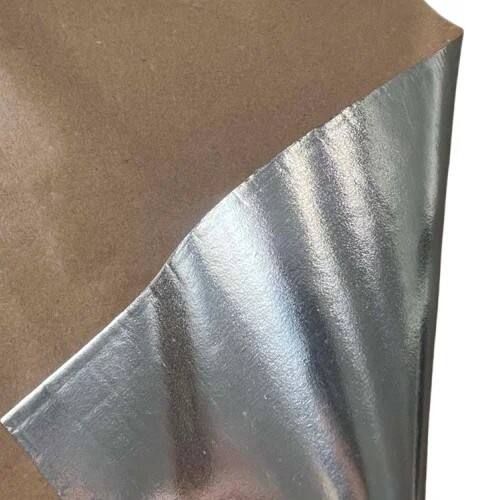
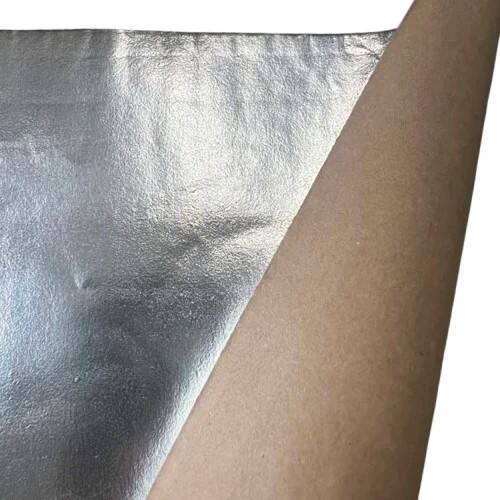
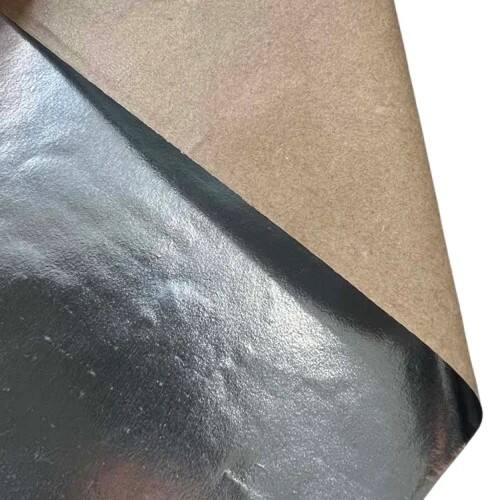
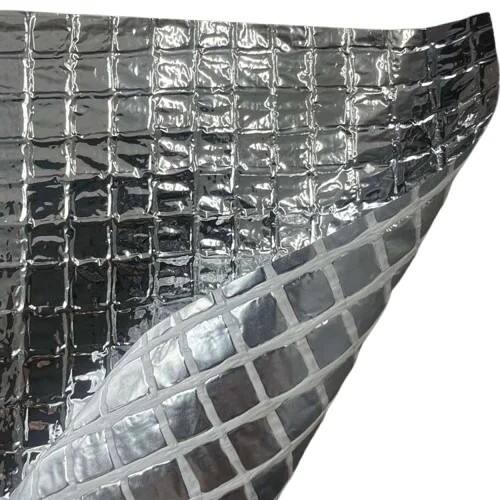
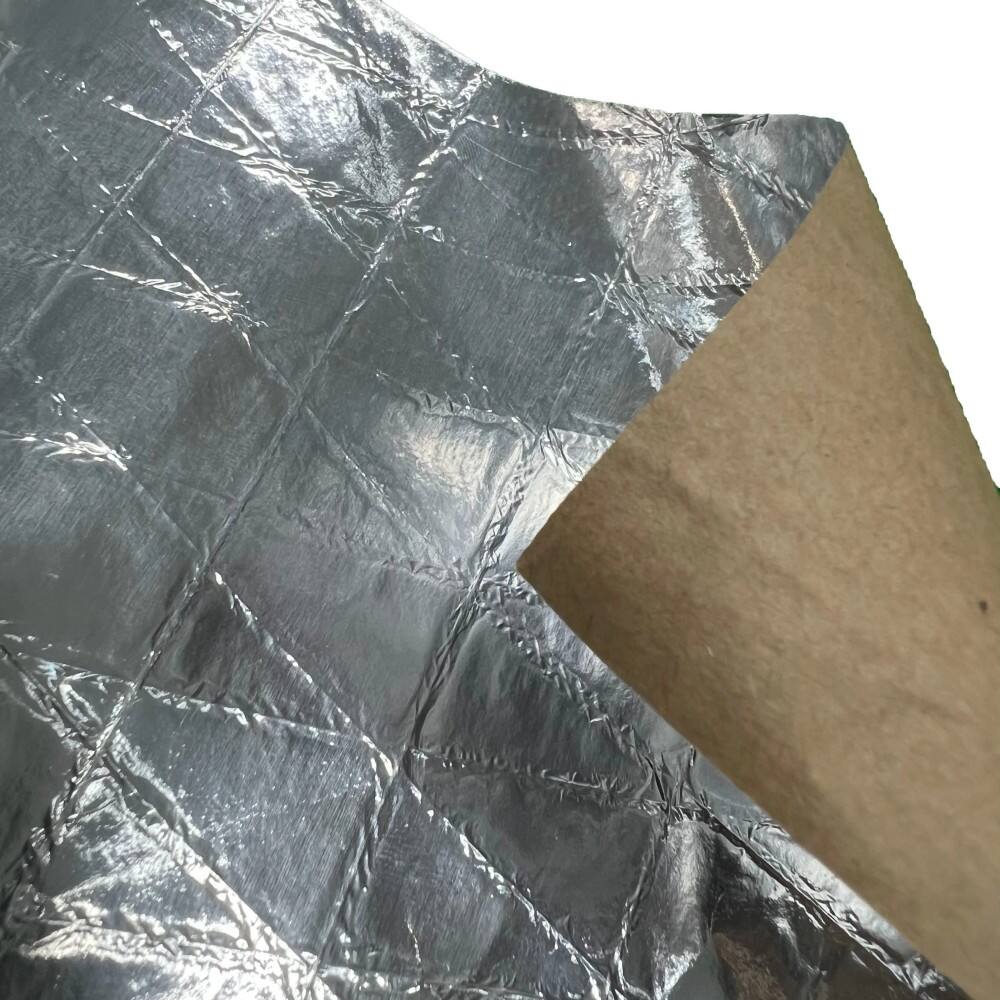
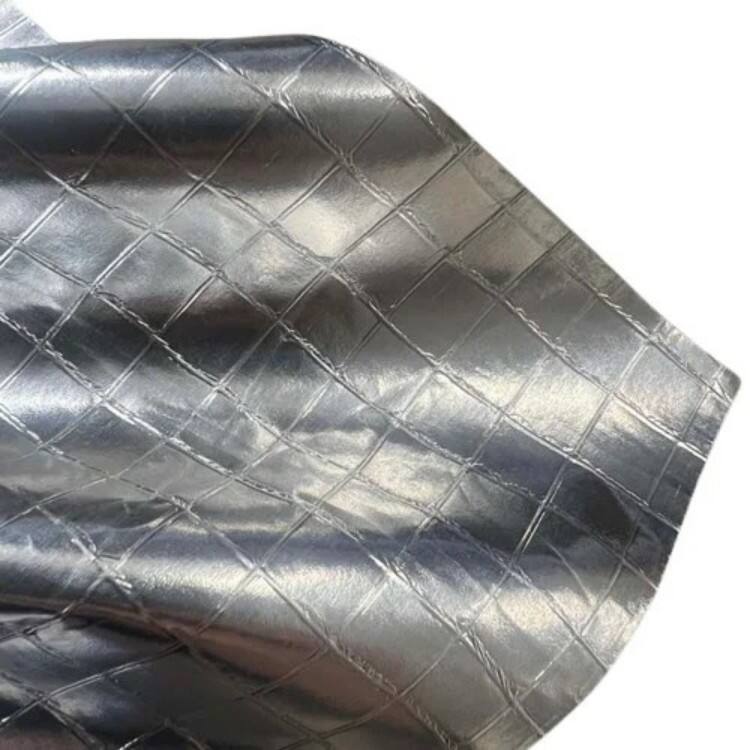
weather barrier house wrap
Weather barrier house wrap is a critical protective layer installed on the exterior sheathing of residential and commercial buildings before siding application. This specialized membrane serves as a secondary defense system that shields the building structure from moisture infiltration, wind-driven rain, and air leakage while maintaining proper vapor permeability. The primary functions of weather barrier house wrap include preventing water penetration that could cause rot, mold growth, and structural deterioration, while simultaneously allowing interior moisture vapor to escape, thus preventing condensation buildup within wall cavities. Technologically, modern weather barrier house wrap features advanced engineered materials such as spunbonded polyolefin or woven polyethylene fabrics with micro-porous structures. These materials are designed with sophisticated surface treatments that create a hydrophobic barrier against liquid water while maintaining breathability for water vapor transmission. The wrap typically offers exceptional tensile strength, UV resistance for extended exposure periods during construction, and compatibility with various siding materials including vinyl, fiber cement, wood, and stucco. Applications span residential construction, commercial buildings, renovation projects, and new construction developments. Installation occurs during the building envelope assembly phase, wrapped around the exterior sheathing with proper overlaps, sealed seams, and integrated flashing details around windows, doors, and penetrations. Weather barrier house wrap represents an essential component in modern building science, contributing significantly to energy efficiency, moisture management, and long-term structural integrity while meeting building code requirements across diverse climate zones.