membrane breathable
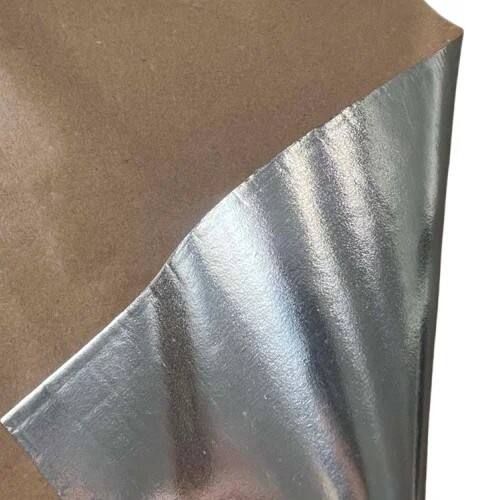
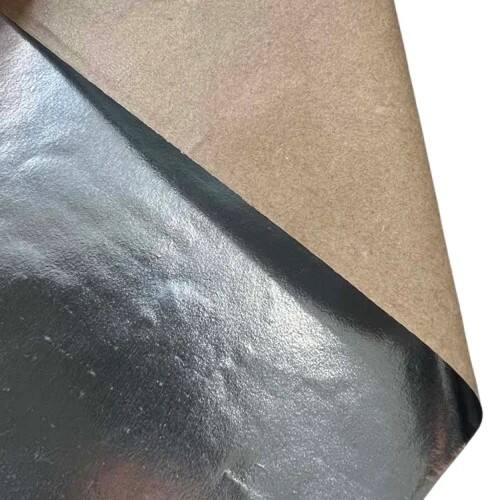
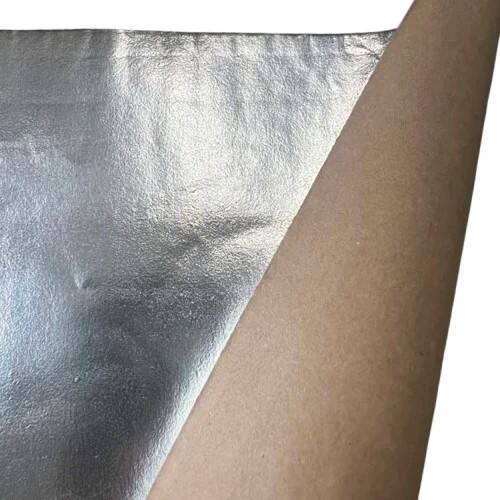
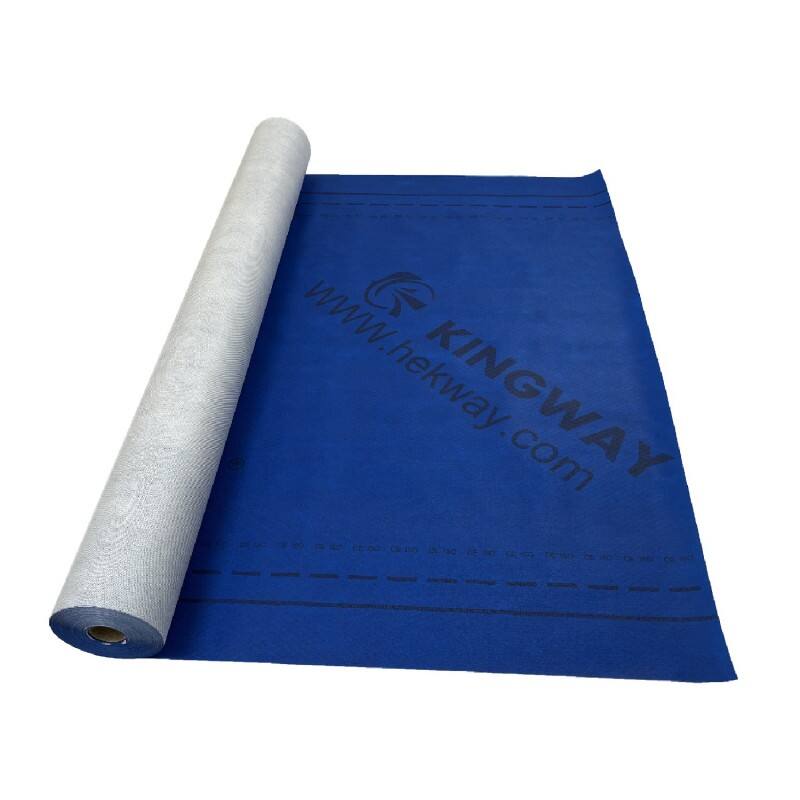
A membrane breathable is an advanced material engineered to allow moisture vapor to escape while preventing liquid water and wind from penetrating through. This innovative technology creates a selective barrier that manages microclimate conditions by facilitating the transfer of perspiration away from the body or interior space while maintaining protection against external environmental elements. The membrane breathable consists of a thin layer containing billions of microscopic pores, each significantly smaller than a water droplet but larger than a water vapor molecule. This precise pore structure enables the material to achieve its dual functionality of waterproofing and vapor permeability. The technology finds widespread applications across numerous industries including outdoor apparel, footwear, protective workwear, building construction, medical textiles, and automotive components. In clothing applications, the membrane breathable enhances comfort by preventing the accumulation of perspiration that can lead to dampness and chilling. In construction, it protects building structures from moisture damage while allowing trapped humidity to escape. The membrane breathable technology has revolutionized performance textiles by solving the age-old challenge of staying dry from both external precipitation and internal perspiration. Modern variations incorporate different materials such as expanded polytetrafluoroethylene, polyurethane, or polyester, each offering specific performance characteristics suited to particular applications. The effectiveness of a membrane breathable is measured through standardized testing for water resistance, breathability ratings, and durability under various environmental conditions.