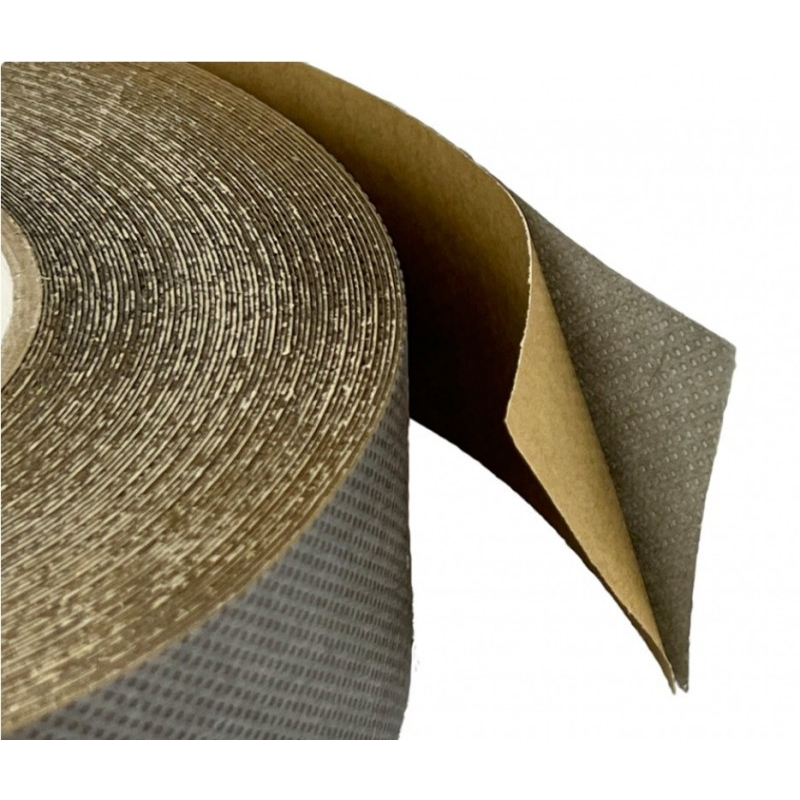
breathable membrane for walls
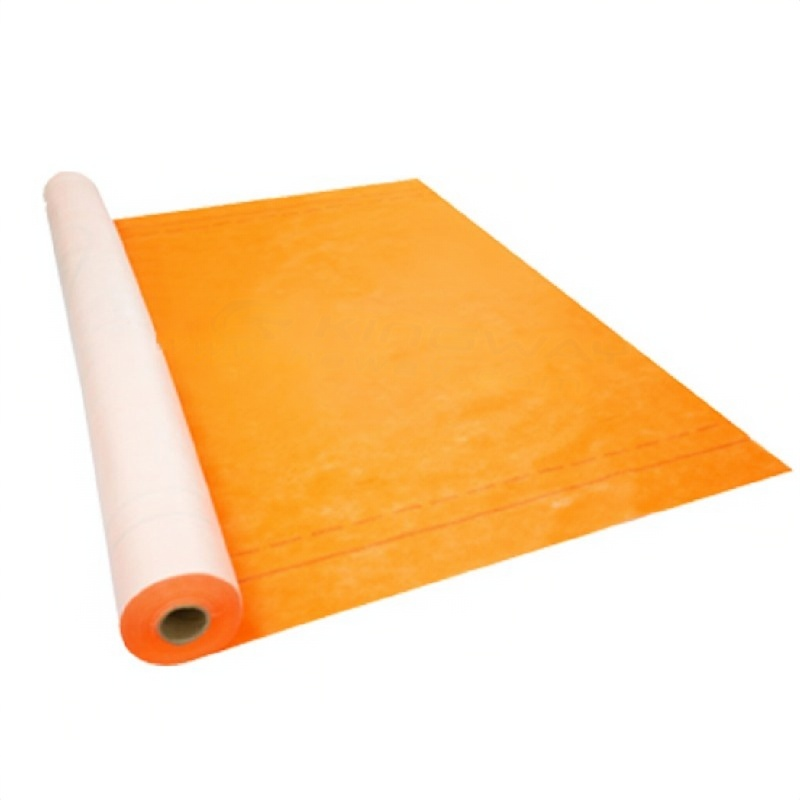
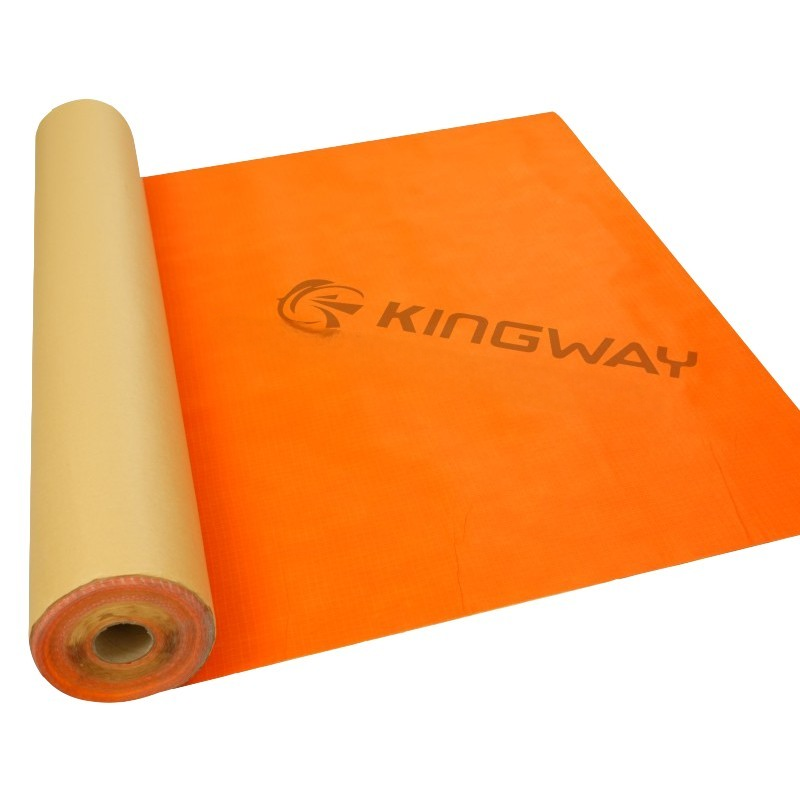
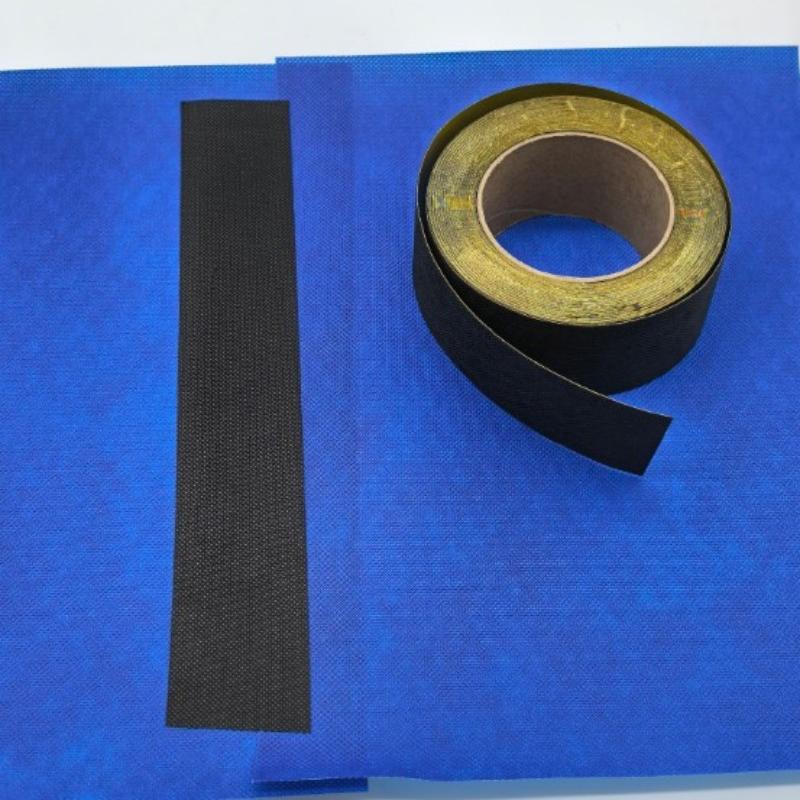
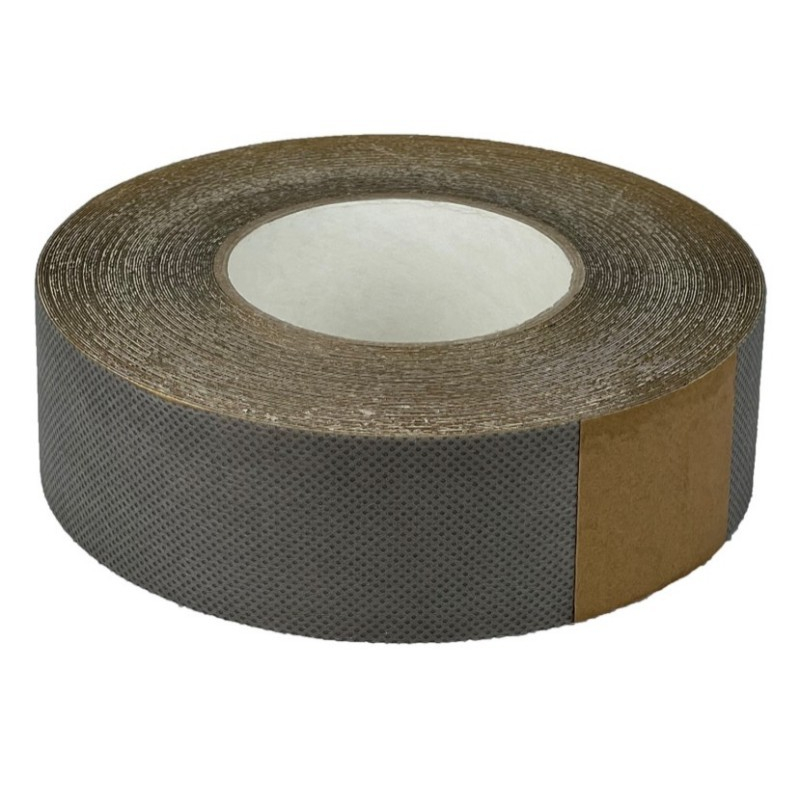
A breathable membrane for walls is a thin, flexible sheet installed within an external wall system to control moisture while allowing water vapour to escape. A breathable membrane for walls helps protect insulation, timber, plasterboard, and structural panels from condensation caused by temperature changes. It usually sits on the cold side of insulation, behind external cladding, masonry, render carrier boards, or a ventilated facade. The membrane creates a weather-resistant layer without sealing the wall completely. This balance makes a breathable membrane for walls suitable for both new construction and renovation projects. Its main functions include stopping wind-driven rain, reducing air leakage, limiting draughts, and allowing trapped vapour to move outward. A quality breathable membrane for walls also supports the thermal performance of insulation because moving air cannot wash through gaps around the wall build-up. Modern products often combine high vapour permeability with strong water resistance. They may include UV exposure protection, tear resistance, reinforced edges, printed overlap guides, and self-adhesive strips for faster installation. Some membranes use multilayer films or micro-perforated structures that block liquid water but permit vapour diffusion. The right breathable membrane for walls depends on the building design, climate, cladding type, exposure level, and installation position. It should work with compatible tapes, fixings, insulation, and sealants. When correctly specified and fitted, a breathable membrane for walls helps create a drier, more comfortable, and longer-lasting building envelope while supporting modern energy-efficiency goals.