Air Permeable Membrane for Reliable Protection

air permeable membrane

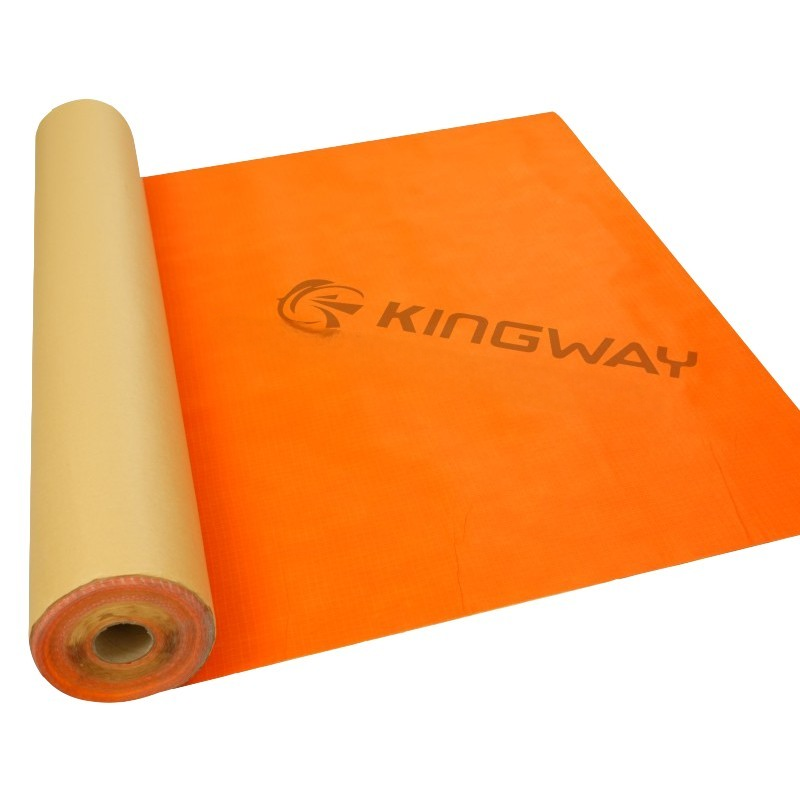
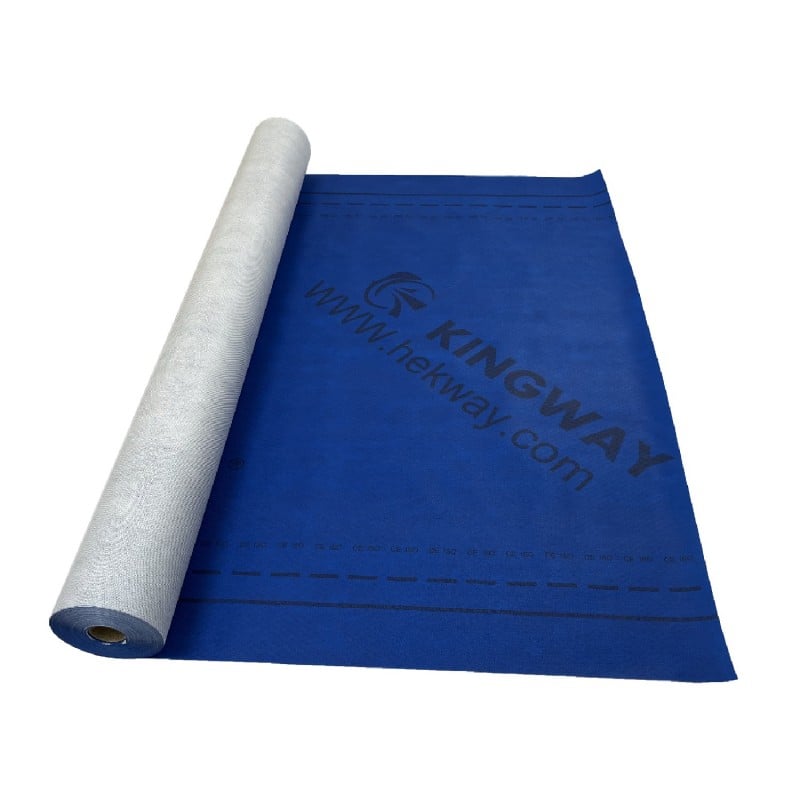
An air permeable membrane is a thin protective layer that allows water vapor and air to pass through while limiting the entry of liquid water, wind, dust, and other unwanted particles. In building construction, an air permeable membrane is commonly installed in roofs, walls, facades, and floors to help control moisture and improve indoor comfort. In technical products, an air permeable membrane can also support ventilation, pressure balance, filtration, and protection for sensitive components. The main function of an air permeable membrane is to create a controlled barrier. It helps trapped moisture escape, reducing the risk of condensation, mold, rot, corrosion, and material damage. At the same time, the air permeable membrane helps stop rain and wind from entering the structure. Modern designs use carefully engineered pores, layered films, nonwoven fabrics, or microporous materials to achieve this balance. A high-quality air permeable membrane may include strong tear resistance, stable dimensions, UV tolerance, heat resistance, and reliable performance across changing weather conditions. Some products include adhesive edges, printed overlap guides, or easy-cut formats that simplify installation. The correct air permeable membrane depends on the project environment, exposure level, installation position, and required vapor movement. For construction, buyers should review water resistance, air leakage performance, vapor permeability, strength, and compatibility with insulation. For industrial use, an air permeable membrane may be selected according to filtration accuracy, chemical resistance, operating temperature, and service life. Overall, an air permeable membrane combines protection and breathability in one practical material.

Popular Products

Choosing an air permeable membrane gives buyers a practical way to manage moisture without sealing a structure completely. Because an air permeable membrane allows controlled vapor movement, it can help reduce condensation behind cladding, beneath roofing, or around insulation. This supports a drier assembly and may lower the chance of mold, staining, corrosion, and premature repairs. An air permeable membrane also protects against wind-driven rain, snow, and airborne dust. That added barrier helps insulation retain its performance and can improve comfort by reducing cold drafts. In many projects, an air permeable membrane supports better energy efficiency because dry insulation works more effectively than wet insulation. Installation can also be straightforward. Lightweight rolls are easy to move, cut, overlap, and secure, while marked surfaces can help installers follow recommended coverage and joint details. A suitable air permeable membrane can reduce labor time and limit material waste when its width and fixing method match the project. Buyers can select grades for temporary exposure, permanent facade protection, roofing, wall systems, equipment covers, or specialized ventilation. This range makes an air permeable membrane suitable for new construction, renovation, modular buildings, and industrial enclosures. The product also adds decision value because performance can be matched to actual risk. A basic grade may suit a sheltered wall, while a reinforced air permeable membrane may be better for high-wind locations or extended site exposure. Customers should compare water resistance, vapor flow, tensile strength, tear resistance, UV limits, temperature range, and warranty terms. When these details match the application, an air permeable membrane helps protect assets, simplify maintenance, and support dependable long-term operation. It offers a balanced solution instead of forcing buyers to choose between complete sealing and unrestricted exposure.

Practical Tips

Can a high-quality house wrap enhance your home comfort levels?

22

Jul

Can a high-quality house wrap enhance your home comfort levels?

Yes, a high-quality house wrap can significantly enhance your home comfort levels, and the evidence from both building science and real-world construction experience supports this clearly. A house wrap is a protective barrier installed between your e...
View More
Can our certified airtight tape help buildings pass green certifications?

22

Sep

Can our certified airtight tape help buildings pass green certifications?

Green building certifications represent a significant commitment to environmental responsibility and energy efficiency. Buildings pursuing these certifications must meet rigorous performance standards that often include air leakage control as a criti...
View More
Can a premium roofing underlayment extend your total roof warranty?

28

Sep

Can a premium roofing underlayment extend your total roof warranty?

Your roof is one of the most critical investments in your home or commercial property, and protecting that investment goes far beyond the shingles or tiles you see from the ground. Many property owners overlook the crucial role that roofing underlaym...
View More
Can high-quality membrana hidrofuga improve warehouse climate control?

19

Oct

Can high-quality membrana hidrofuga improve warehouse climate control?

Warehouse climate control is critical to protecting inventory, extending product lifespan, and maintaining operational efficiency. Environmental factors like humidity, moisture infiltration, and temperature fluctuations can damage goods, reduce produ...
View More

Get a Free Quote

Our representative will contact you soon.
Email
Name
Company Name
Message
0/1000

air permeable membrane

Balanced Moisture Control

Balanced Moisture Control

The key value of an air permeable membrane is its ability to manage two different risks at once. An air permeable membrane helps vapor move away from enclosed layers, while its water-resistant face limits rain and splash entry. This balance is important because trapped moisture can weaken timber, reduce insulation performance, encourage mold, and damage finishes. By using an air permeable membrane in the correct position, contractors can create a more forgiving roof or wall assembly. The material does not simply block everything; it supports planned drying while maintaining a protective barrier. This feature suits pitched roofs, ventilated facades, framed walls, and other assemblies where moisture movement matters. Buyers gain a clearer way to protect the building envelope and reduce avoidable maintenance. Product data should confirm vapor permeability and water resistance for the intended climate. A well-matched air permeable membrane supports comfort, material durability, and more reliable performance throughout seasonal changes.
Strong Protection in Demanding Conditions

Strong Protection in Demanding Conditions

A reinforced air permeable membrane can provide dependable protection during installation and throughout service. An air permeable membrane with high tear strength is less likely to fail when workers walk near it, pull it across framing, or secure it around corners and penetrations. This matters on busy construction sites, where damaged layers can create hidden gaps and future water problems. Many products also resist wind pressure, temperature changes, and limited ultraviolet exposure, giving the air permeable membrane greater flexibility across different project schedules. A durable surface can help protect insulation and interior layers before the outer finish is complete. For industrial users, a stronger air permeable membrane may protect equipment housings, vents, and sensitive assemblies from dust and moisture while allowing pressure to equalize. Buyers should check thickness, tensile strength, tear resistance, exposure limits, and fastening guidance. Selecting the right grade can reduce replacement work, improve site confidence, and extend the useful life of the complete system.
Simple Installation and Wide Use

Simple Installation and Wide Use

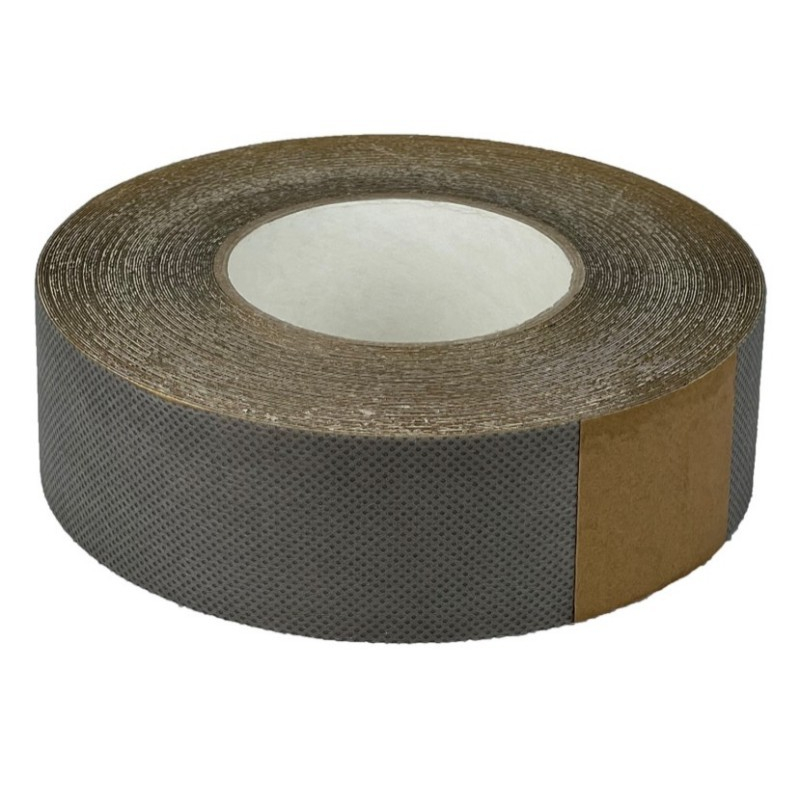
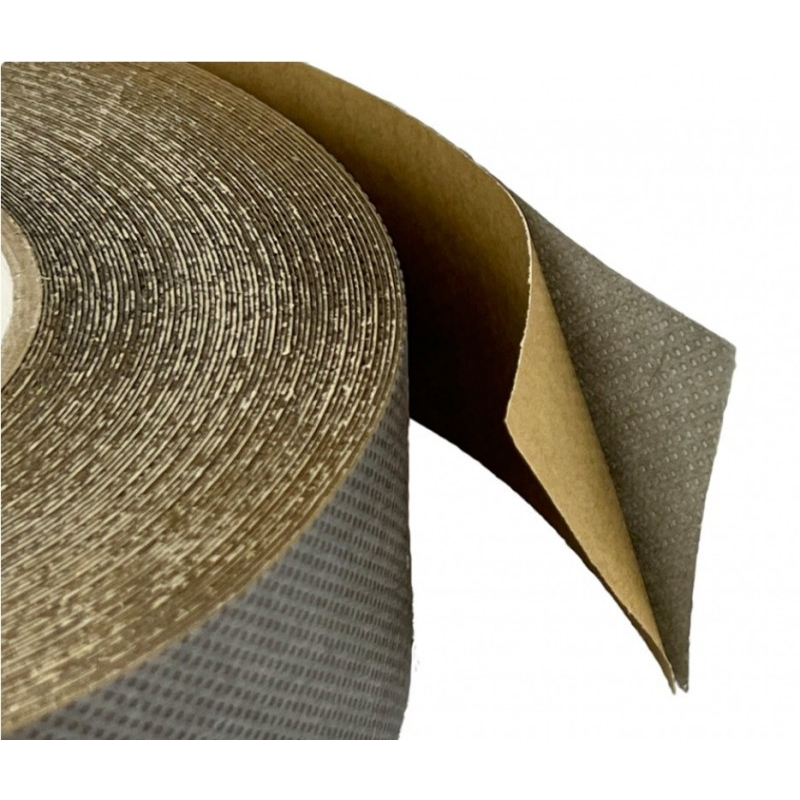
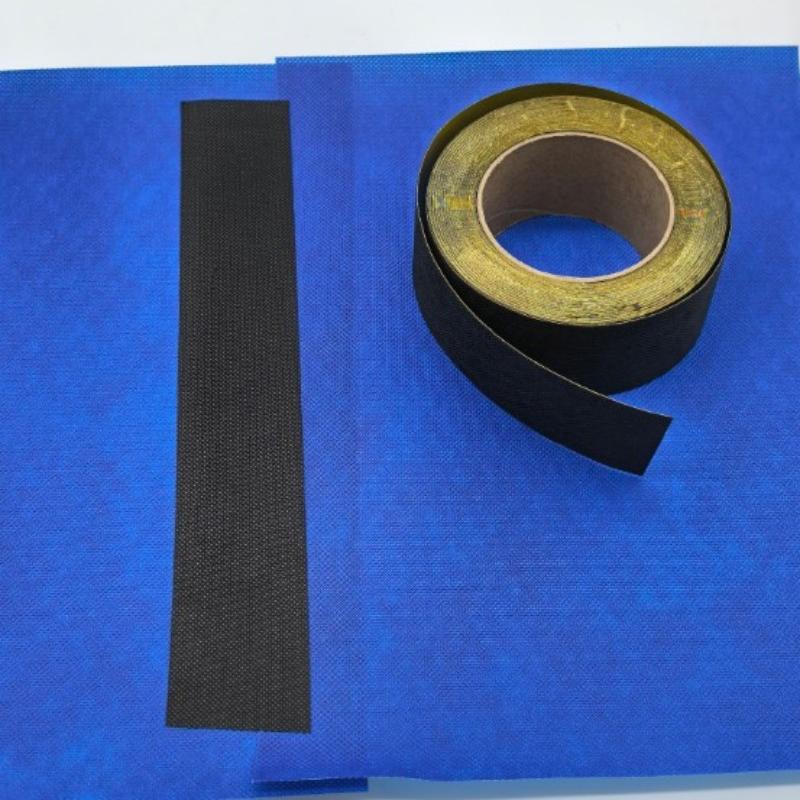
An air permeable membrane can deliver value through fast, practical installation as well as technical performance. An air permeable membrane supplied in manageable rolls is easier to transport, position, cut, and overlap than many rigid barrier products. Clear markings, stable edges, and compatible tapes can help installers create consistent joints and reduce mistakes. This makes the air permeable membrane suitable for roofing, walls, floors, facade systems, packaging protection, equipment covers, and ventilation components. A product that adapts to several applications can simplify purchasing and reduce the need to hold many different materials in stock. It can also help contractors maintain a consistent installation method across residential, commercial, and modular projects. Buyers should confirm substrate compatibility, fixing requirements, joint sealing, and exposure limits before ordering. When those points are clear, an air permeable membrane can shorten handling time, reduce waste, and support a clean finished result. Its broad application range makes it a useful choice for both planned construction and practical repair work.

Get a Free Quote

Our representative will contact you soon.
Email
Name
Company Name
Message
0/1000