Polypropylene Roofing Underlayment Guide

polypropylene roofing underlayment

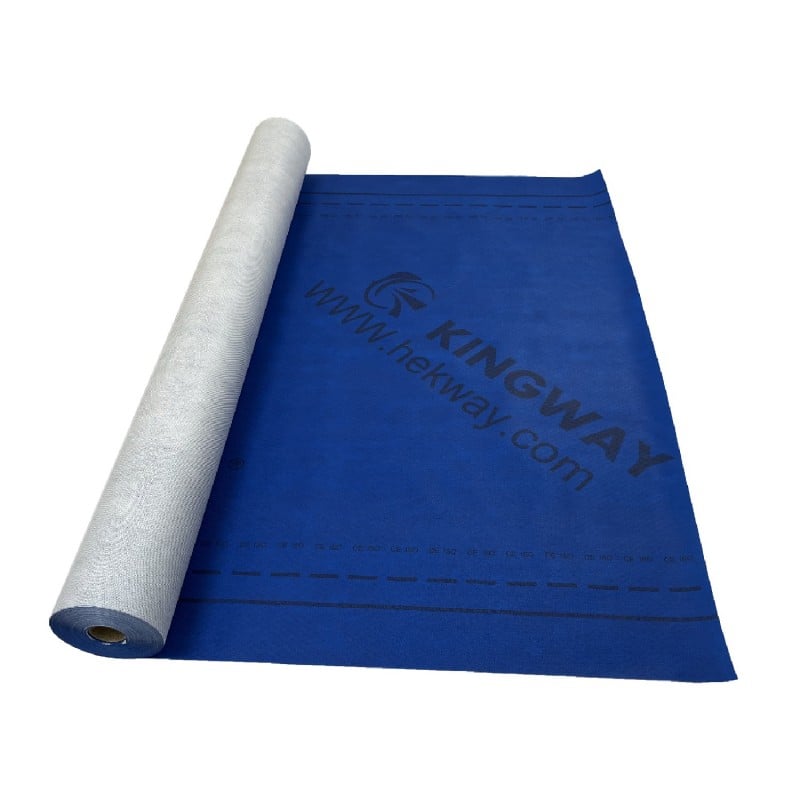
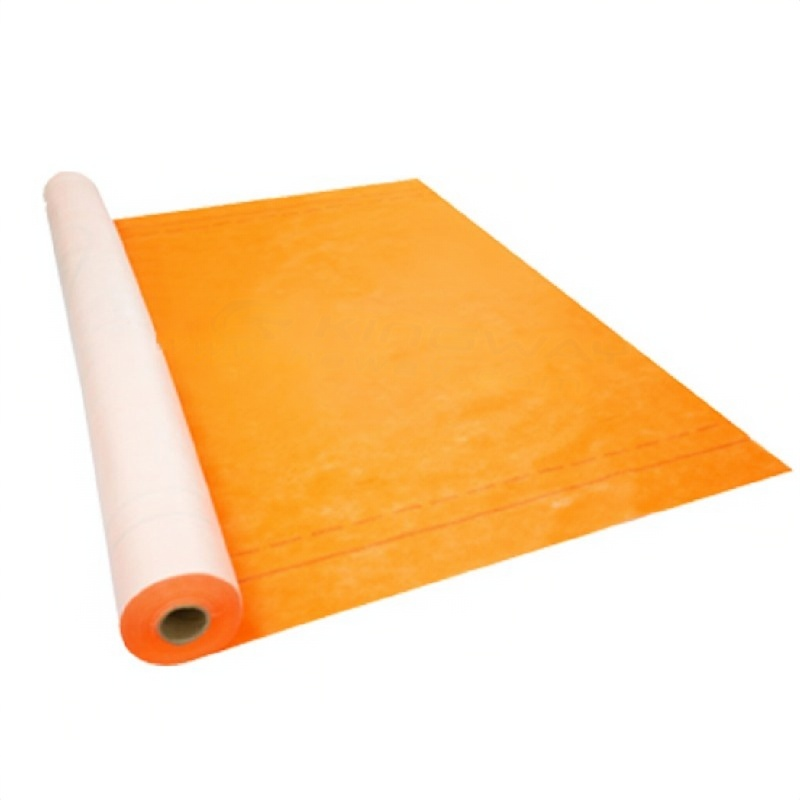
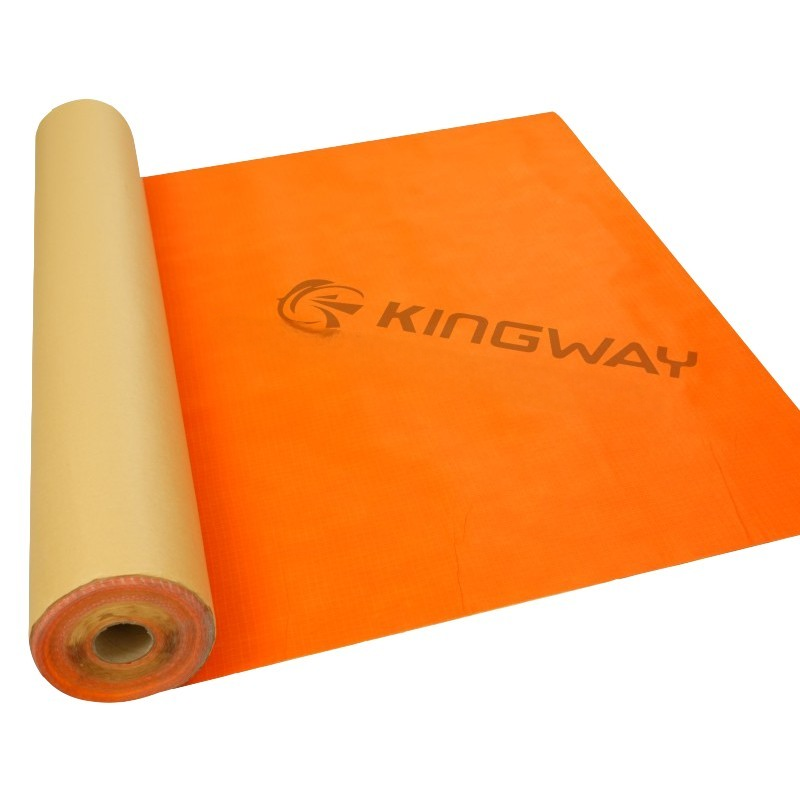
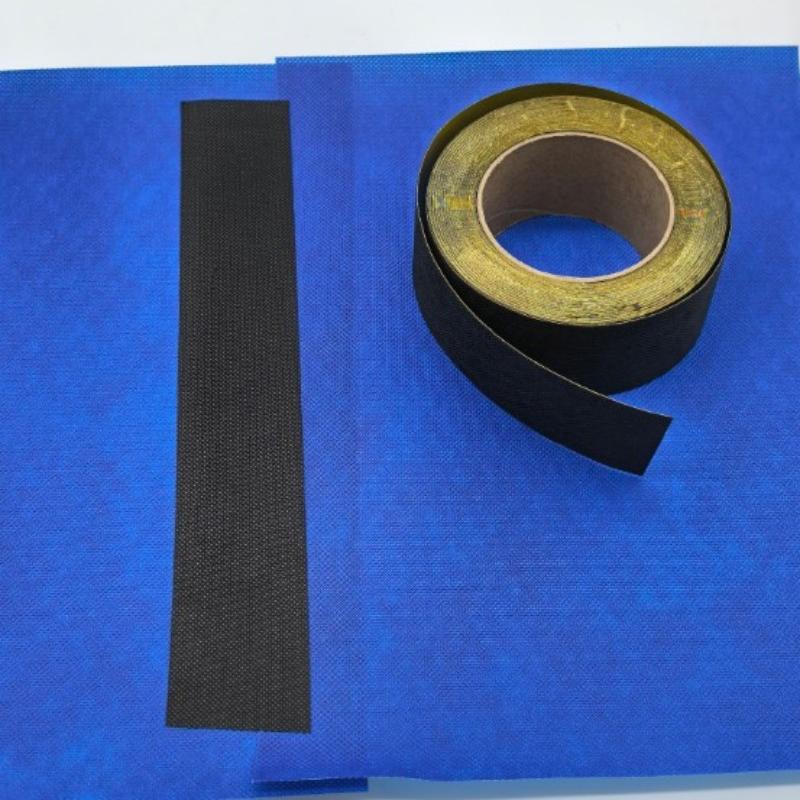
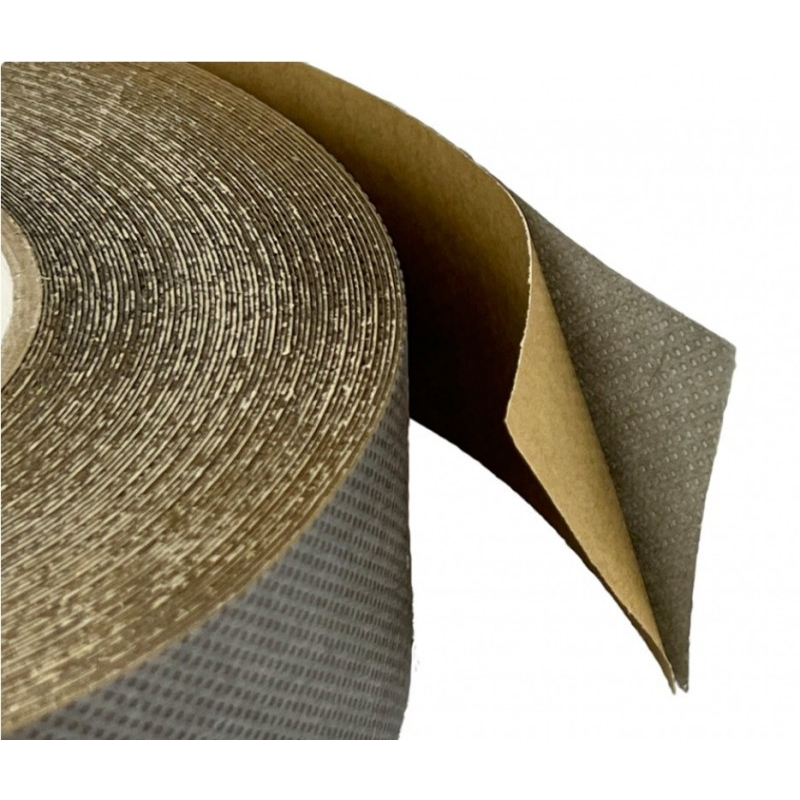
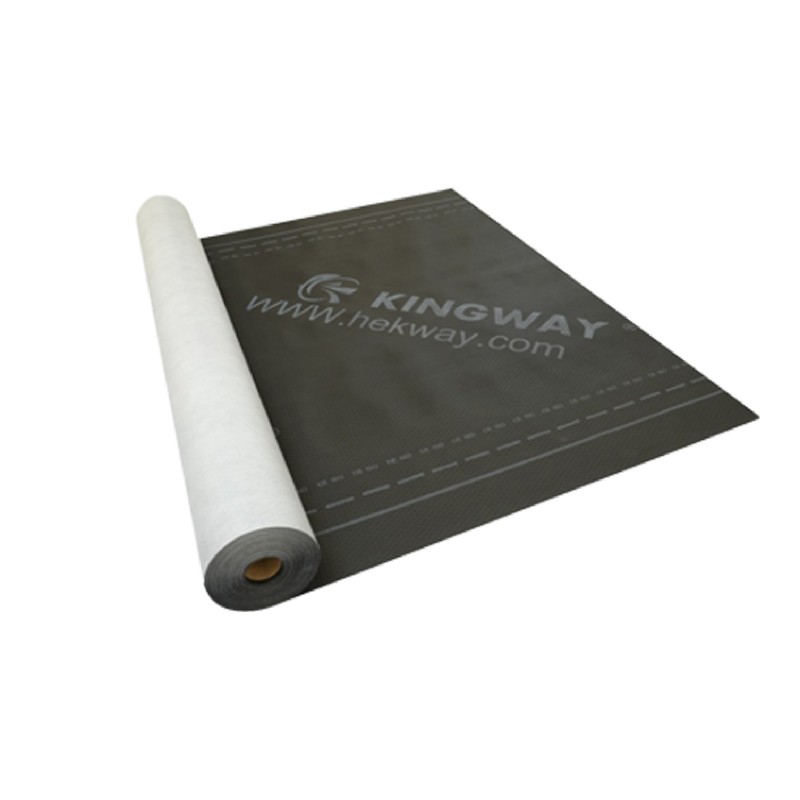
Polypropylene roofing underlayment is a protective layer installed between the roof deck and the finished roofing material. The polypropylene roofing underlayment helps block rain, wind-driven moisture, dust, and occasional leaks before they reach the building interior. It also creates a cleaner, more stable surface for shingles, tiles, metal panels, or other roof coverings. Unlike basic felt, this modern polypropylene roofing underlayment uses a synthetic, water-resistant structure that resists tearing during transport and installation. Many products include a textured or printed surface that improves grip, helps installers walk more confidently, and makes overlap lines easier to follow. Some versions feature reinforced scrim, marked nail zones, adhesive strips, or integrated laps that support faster placement. The polypropylene roofing underlayment can also reduce exposure of the roof deck to ultraviolet light when construction pauses, although the permitted exposure period depends on the manufacturer. Its lightweight design simplifies handling, cutting, and carrying across the roof. The polypropylene roofing underlayment suits new construction, roof replacement, repairs, and commercial or residential projects. It works beneath common sloped roofing systems and can support regional building requirements when the selected product carries the appropriate approvals. Buyers should review thickness, roll size, permeability, slip resistance, exposure rating, fire performance, and installation instructions before choosing a product. In practical terms, polypropylene roofing underlayment adds a secondary weather barrier without creating a heavy load or a complicated installation process. It does not replace the roof covering, flashing, ventilation, or correct drainage, but it strengthens the complete roofing assembly by providing dependable protection beneath the visible surface.
Popular Products

Choosing polypropylene roofing underlayment gives builders and property owners a practical layer of protection with manageable installation demands. The polypropylene roofing underlayment helps limit water intrusion if rain reaches a seam, damaged shingle, or unfinished section. That extra barrier can reduce the chance of wet insulation, stained ceilings, wood deterioration, and costly interior repairs. The polypropylene roofing underlayment also remains useful during construction because it shields the roof deck while crews wait to install the final covering. Synthetic material does not absorb water like traditional paper-based products, so rolls remain easier to handle after damp weather. A polypropylene roofing underlayment is usually light enough for one worker to carry, cut, and position, which can improve job speed and reduce handling effort. Its tear resistance supports movement around valleys, ridges, penetrations, and irregular roof shapes. Clearly printed overlap guides and fastening marks can help crews maintain consistent coverage and avoid unnecessary material waste. Depending on the design, the polypropylene roofing underlayment may offer better grip than smooth sheet products, supporting safer work when installers follow proper fall protection procedures. This material fits many sloped residential roofs, renovation projects, garages, workshops, and low-rise commercial buildings. Buyers can select different roll widths, surface textures, thicknesses, and exposure ratings to match project conditions rather than paying for features they do not need. The polypropylene roofing underlayment also stores efficiently because sealed rolls resist ordinary job-site moisture and dirt. For long-term value, customers should compare tested performance, warranty terms, local code acceptance, and compatibility with the chosen roof covering. A good product will not fix poor flashing or drainage, but it provides reliable backup protection and supports a more durable roof installation.

Latest News

What are the primary energy-saving advantages of a premium house wrap?

15

Jul

What are the primary energy-saving advantages of a premium house wrap?

A high-quality house wrap is one of the most cost-effective investments a builder or property owner can make when it comes to long-term energy efficiency. Installed beneath exterior cladding, a house wrap acts as a protective barrier that manages air...
View More
Can a durable membrana hidrofuga improve residential energy efficiency?

08

Sep

Can a durable membrana hidrofuga improve residential energy efficiency?

A durable membrana hidrofuga is more than just a moisture barrier—it is a critical component in modern residential construction that directly influences energy efficiency, indoor comfort, and long-term structural integrity. As homeowners and builders...
View More
Can high-quality membrana hidrofuga improve warehouse climate control?

19

Oct

Can high-quality membrana hidrofuga improve warehouse climate control?

Warehouse climate control is critical to protecting inventory, extending product lifespan, and maintaining operational efficiency. Environmental factors like humidity, moisture infiltration, and temperature fluctuations can damage goods, reduce produ...
View More
What are the UV-protection advantages of our premium membrana hidrofuga?

22

Oct

What are the UV-protection advantages of our premium membrana hidrofuga?

A membrana hidrofuga serves as a critical protective barrier in modern roofing and construction applications, delivering exceptional performance when exposed to harsh environmental conditions. Among its most valuable benefits, the UV-protection capab...
View More

Get a Free Quote

Our representative will contact you soon.
Email
Name
Company Name
Message
0/1000

polypropylene roofing underlayment

Reliable Secondary Moisture Protection

Reliable Secondary Moisture Protection

A key reason to choose polypropylene roofing underlayment is its role as a dependable backup against moisture. The polypropylene roofing underlayment sits below the visible roof covering and helps direct incidental water toward the eaves instead of allowing it to reach the deck. During installation, the polypropylene roofing underlayment also protects exposed boards from short-term rain and overnight dampness. Its synthetic construction limits water absorption, helping the sheet maintain its intended performance in changing weather. For homeowners, this means greater confidence that a small roofing defect will not immediately become an interior leak. For contractors, polypropylene roofing underlayment provides a consistent protective layer across broad roof areas with simple overlapping and fastening. It cannot replace properly installed shingles, panels, flashing, or drainage, but it adds valuable backup defense. Buyers should confirm the product's water resistance, permeability rating, and exposure limit before ordering. That information helps match the material to the local climate, construction schedule, and selected roof system.
Lightweight Design, Faster Handling

Lightweight Design, Faster Handling

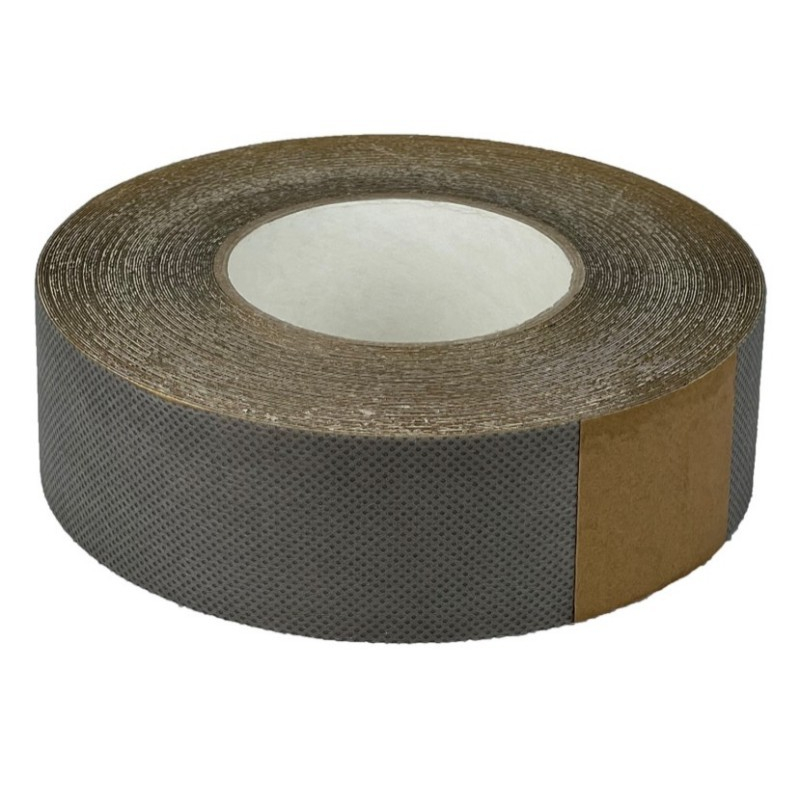
Installation efficiency is another strong advantage of polypropylene roofing underlayment. A polypropylene roofing underlayment roll is generally lighter than many traditional alternatives, making it easier to move from storage to the roof. The polypropylene roofing underlayment can be unrolled across the deck, trimmed around vents and chimneys, and secured with approved fasteners without specialized equipment. Because the material resists tearing, polypropylene roofing underlayment can handle normal job-site movement more confidently when workers use correct procedures. Printed lap lines, nail indicators, and directional markings can reduce measuring time and help crews keep coverage uniform. Some polypropylene roofing underlayment products include adhesive edges that simplify joining sheets and limit open seams. Faster installation can lower labor time, keep projects moving, and reduce disruption for occupants during renovations. The material also produces less handling frustration when crews work on complex roof layouts. Customers should still follow the manufacturer's fastening pattern and avoid assuming that every roll has the same exposure, grip, or adhesive features.
Durable Performance Across Roof Types

Durable Performance Across Roof Types

A well-selected polypropylene roofing underlayment can serve many building needs without adding unnecessary weight. The polypropylene roofing underlayment works beneath asphalt shingles, metal roofing, tiles, and other approved sloped coverings. Its polypropylene roofing underlayment construction resists common job-site stresses such as pulling, folding, and moderate foot traffic during placement. Many products also tolerate temporary ultraviolet exposure, giving contractors more scheduling flexibility when weather or material deliveries delay final roofing work. A textured face may improve traction, while reinforced layers can support demanding layouts, including valleys and areas around roof penetrations. For replacement projects, polypropylene roofing underlayment can help modernize protection without requiring changes to the entire roof structure. For new buildings, it supports a complete weather-management plan alongside flashing, ventilation, insulation, and the outer covering. Buyers gain useful choice because products are available in several widths, thicknesses, surface designs, and code classifications. Before purchase, compare documented performance with project requirements, local regulations, climate conditions, and warranty coverage to select a suitable polypropylene roofing underlayment.

Get a Free Quote

Our representative will contact you soon.
Email
Name
Company Name
Message
0/1000