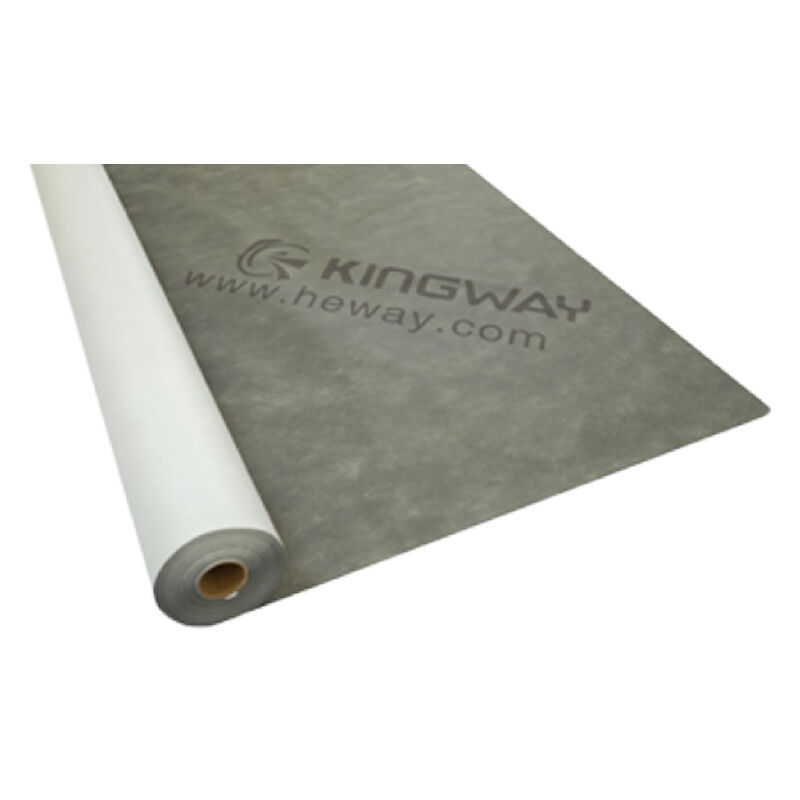
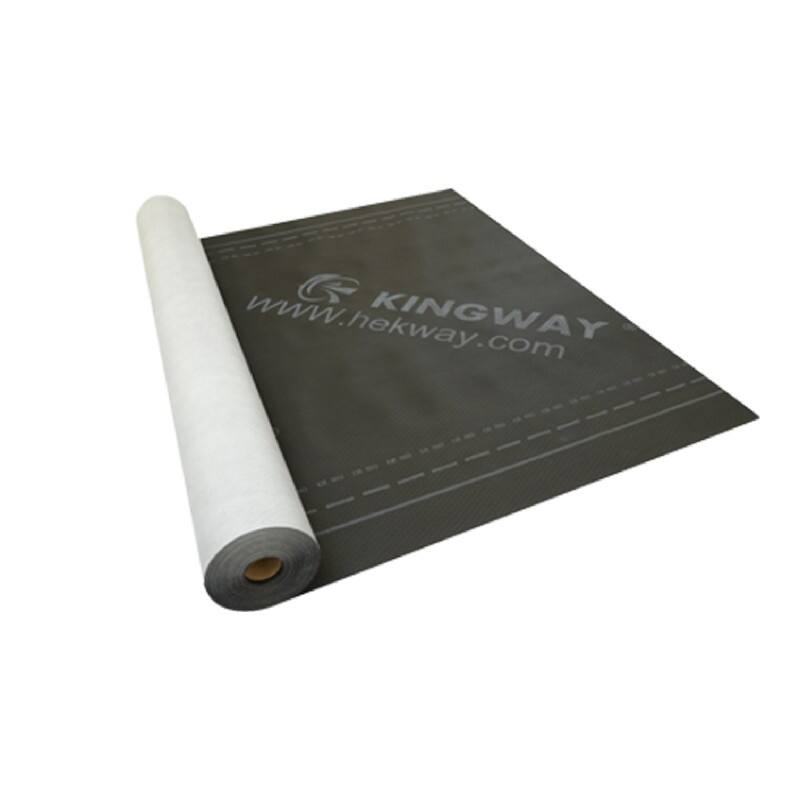
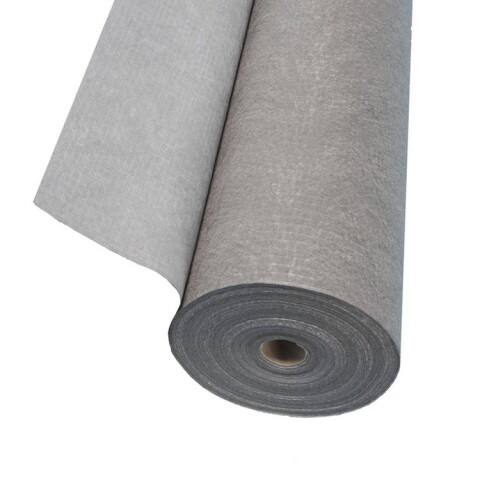
breathable vapour permeable membrane
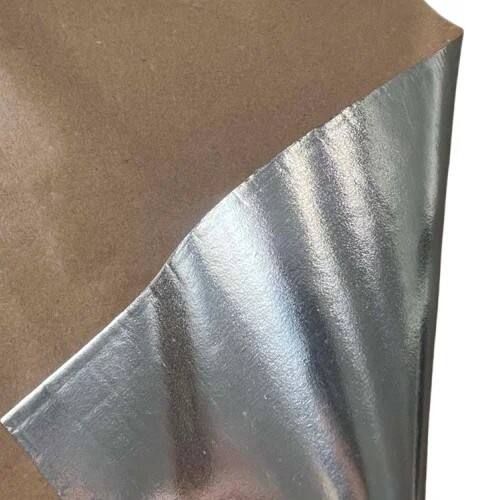
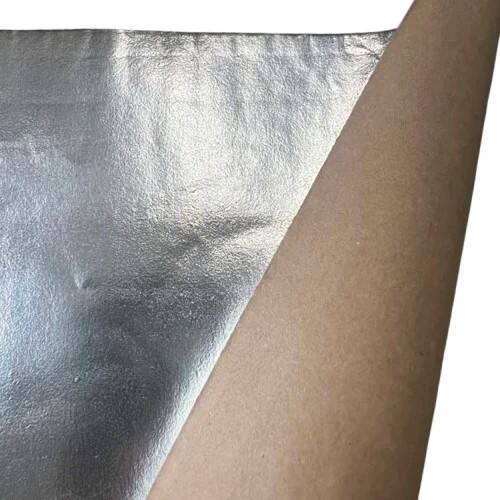
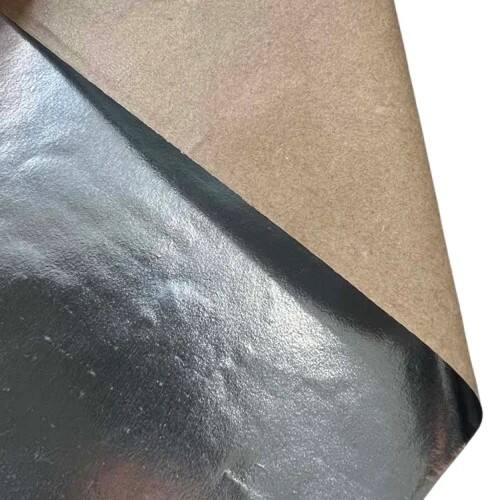
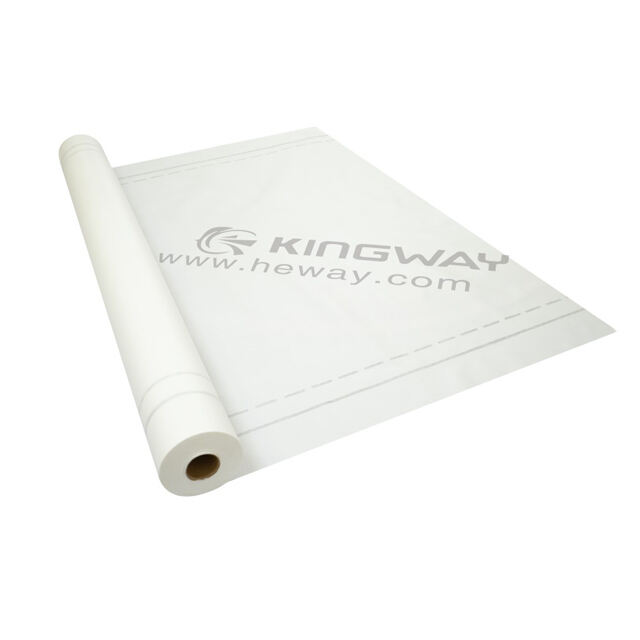
A breathable vapour permeable membrane is an advanced building material designed to protect structures from water penetration while allowing moisture vapour to escape from within. This specialized membrane plays a critical role in modern construction by creating a protective barrier that prevents liquid water, wind, and dust from entering the building envelope, yet permits internal moisture to pass through and evaporate. The breathable vapour permeable membrane consists of a multi-layered synthetic material with microscopic pores engineered to be small enough to block water droplets but large enough to allow water vapour molecules to transmit freely. Its main functions include weatherproofing exterior walls and roofs, preventing condensation buildup within insulation layers, and maintaining optimal indoor air quality by regulating humidity levels. Technologically, the breathable vapour permeable membrane features high water resistance ratings, excellent tensile strength, UV stability, and temperature resistance across diverse climate conditions. The membrane is typically installed beneath exterior cladding systems, above insulation layers, or as part of pitched roof assemblies. Applications span residential housing, commercial buildings, industrial facilities, and renovation projects where moisture management is essential. The breathable vapour permeable membrane has become indispensable in energy-efficient construction, helping to prevent mould growth, structural deterioration, and thermal performance loss. By combining water protection with vapour permeability, this membrane ensures buildings remain dry, durable, and comfortable throughout their service life, making it a fundamental component in contemporary building science and sustainable construction practices.