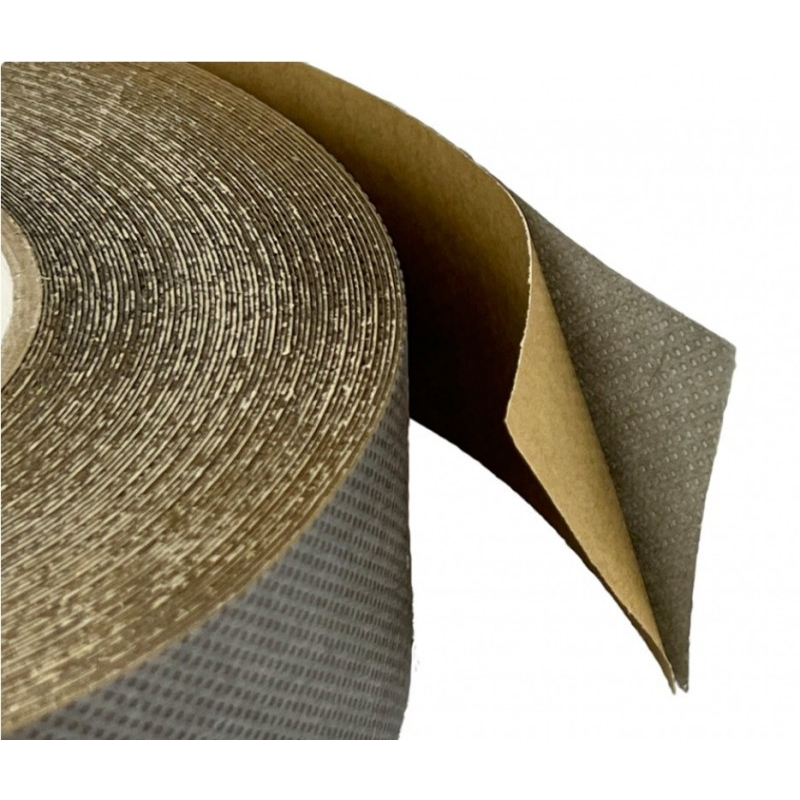
Breather Felt for Reliable Vacuum Bagging

breather felt

Breather felt is a porous, heat-resistant textile used during vacuum bagging and composite manufacture. Its main role is to create an open air path between the laminate and the vacuum bag. This path helps the pump remove trapped air, moisture, and gases while pressure compacts the layers. The breather felt also absorbs or distributes excess resin, helping prevent puddles and uneven pressure marks. A suitable breather felt supports more consistent curing and a cleaner finished surface. Most products use polyester or nylon fibers formed into a soft, nonwoven sheet. The fiber structure lets air move in several directions, even when the material is pressed against complex shapes. This design makes breather felt useful around corners, raised areas, and broad flat panels. Many grades tolerate the temperature used for epoxy, vinyl ester, or other resin systems. Buyers can select light, medium, or heavy styles according to laminate size, resin volume, and required airflow. Breather felt may work with release film, perforated film, peel ply, caul plates, and vacuum bags as part of a complete process. In aerospace, marine, automotive, wind energy, sporting goods, and industrial tooling, breather felt helps technicians control pressure and reduce void-related defects. It can cover a full mold or be cut into strips for local venting. The material remains flexible during layup, so workers can place it quickly without adding complicated equipment. By improving air removal and resin management, breather felt helps produce stronger, more uniform composite parts. Its simple format also makes it easy to store, measure, trim, and replace between jobs. This combination of airflow, heat resistance, flexibility, and practical handling explains why breather felt remains a core consumable for reliable vacuum processing.

New Product Recommendations

Choosing breather felt gives manufacturers a simple way to improve vacuum-bagging control without changing their equipment. The open structure creates continuous channels for air, so a pump can evacuate the stack more evenly. Better evacuation reduces air pockets, voids, and soft areas that may force repair or rejection. Breather felt also spreads pressure across the workpiece, supporting more uniform consolidation from the center of a panel to its edges. This can improve thickness consistency and help resin reach dry reinforcement before cure. For buyers, that means fewer wasted materials, less rework, and a more predictable production schedule. A breather felt grade can be matched to the process rather than selected as a one-size-fits-all item. Light material suits thin laminates and detailed shapes, while heavier material provides more airflow and resin capacity for larger assemblies. Flexible breather felt follows curves and corners, reducing the risk of blocked vent paths around complex tooling. The material can be cut with ordinary scissors or a knife, which saves setup time and simplifies job planning. It also works with common vacuum films and release layers, allowing operators to keep familiar procedures. Heat-resistant construction supports standard cure cycles, while the soft surface helps protect delicate bagging materials and mold finishes. In practical use, breather felt helps technicians identify and correct poor vacuum coverage before expensive curing begins. It is suitable for prototypes, repair work, and repeat production because teams can measure consistent pieces and document the layup. Buyers should consider maximum operating temperature, thickness, airflow, resin absorption, roll width, and whether a disposable or specialized grade fits the job. The right choice balances airflow with resin economy: excessive absorbency may increase material use, while too little capacity can restrict process control. Overall, breather felt offers low-cost process support, easier handling, and dependable quality improvement across many composite applications.

Tips And Tricks

What are the unique advantages of a heavy-duty building tape?

01

Jul

What are the unique advantages of a heavy-duty building tape?

When construction professionals evaluate bonding and sealing materials for demanding projects, heavy-duty building tape consistently stands out as a reliable and versatile solution. Unlike standard adhesive tapes, heavy-duty building tape is engineer...
View More
Can a certified membrana hidrofuga secure your building against typhoons?

08

Oct

Can a certified membrana hidrofuga secure your building against typhoons?

Typhoons represent one of the most destructive natural forces affecting coastal and tropical regions, threatening building integrity through intense wind, heavy rainfall, and structural stress. A certified membrana hidrofuga offers a proven defense m...
View More
Can high-quality membrana hidrofuga improve warehouse climate control?

19

Oct

Can high-quality membrana hidrofuga improve warehouse climate control?

Warehouse climate control is critical to protecting inventory, extending product lifespan, and maintaining operational efficiency. Environmental factors like humidity, moisture infiltration, and temperature fluctuations can damage goods, reduce produ...
View More
What are the UV-protection advantages of our premium membrana hidrofuga?

22

Oct

What are the UV-protection advantages of our premium membrana hidrofuga?

A membrana hidrofuga serves as a critical protective barrier in modern roofing and construction applications, delivering exceptional performance when exposed to harsh environmental conditions. Among its most valuable benefits, the UV-protection capab...
View More

Get a Free Quote

Our representative will contact you soon.
Email
Name
Company Name
Message
0/1000

breather felt

Reliable Airflow Across Complex Layups

Reliable Airflow Across Complex Layups

The standout value of breather felt is its ability to maintain air movement across a wide laminate area. Its interlocking fibers form open passages that remain useful under vacuum pressure, helping the pump draw air from the entire bagged assembly. This matters when a part includes sharp corners, steps, ribs, or multiple reinforcement layers where air can otherwise become trapped. A well-positioned breather felt supports faster, more even evacuation and gives operators a clearer chance to detect leaks before curing starts. It also reduces isolated pressure zones that can leave dry spots or inconsistent compaction. For customers, the result is a more repeatable process with fewer rejected parts and less manual correction. The material can be overlapped or cut into narrow channels to create targeted venting without redesigning the mold. This flexibility suits both large production panels and small repair areas. By combining broad coverage with easy trimming, breather felt provides dependable airflow without complex tooling or costly process changes.
Heat-Resistant Support for Clean Curing

Heat-Resistant Support for Clean Curing

A quality breather felt remains stable during the cure cycle, giving the laminate steady support from initial vacuum through final temperature exposure. Heat-resistant fibers help preserve the material's thickness and airflow instead of allowing it to collapse, shrink, or create blocked paths. This stability is important for epoxy and other resin systems that require controlled heating. When the breather felt performs consistently, the bag stays properly supported and pressure reaches more of the part surface. The textile can also capture excess resin, limiting movement toward the vacuum line and helping keep equipment cleaner. For buyers, that means stronger process control, fewer resin-related interruptions, and better protection for pumps and traps. Different weights let users balance resin holding capacity with airflow and material cost. Teams can choose a lighter option for thin skins or a thicker grade for heavy laminates and larger tools. Because the material is soft and conformable, it supports delicate surfaces without creating sharp contact points. This dependable thermal performance makes breather felt a practical choice for repeatable composite curing.
Easy Handling That Reduces Setup Time

Easy Handling That Reduces Setup Time

Breather felt is designed for practical workshop use as well as demanding production environments. Operators can unroll it, measure it, and cut it quickly to match a mold or repair zone. Its flexible construction follows curved surfaces and helps maintain contact around corners, while the lightweight sheet is easy to position before sealing the vacuum bag. This reduces preparation time and lowers the chance of gaps caused by difficult handling. The material also integrates with release film, peel ply, and vacuum bag film, so customers can add it to established layup instructions without buying special installation tools. Consistent roll widths and selectable thicknesses make material planning easier, especially when teams repeat the same part design. After curing, users can remove the breather felt with the bagging materials and inspect the part without a complex cleanup stage. This straightforward workflow benefits prototype shops, maintenance teams, and high-volume manufacturers alike. By simplifying placement while supporting airflow and resin control, breather felt helps workers complete jobs with fewer interruptions and more dependable results.

Get a Free Quote

Our representative will contact you soon.
Email
Name
Company Name
Message
0/1000