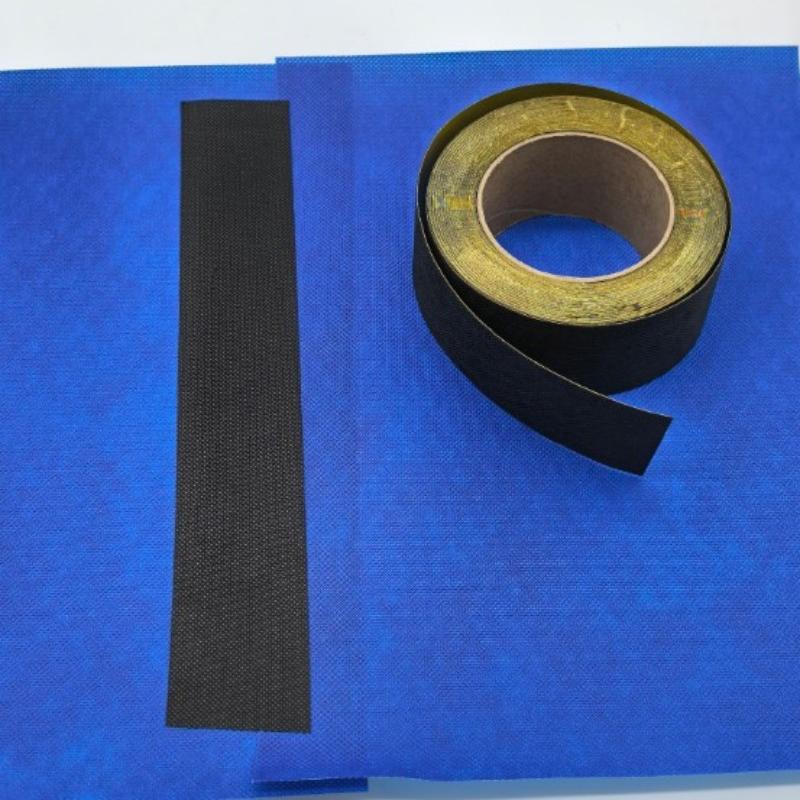
breathable underlayment
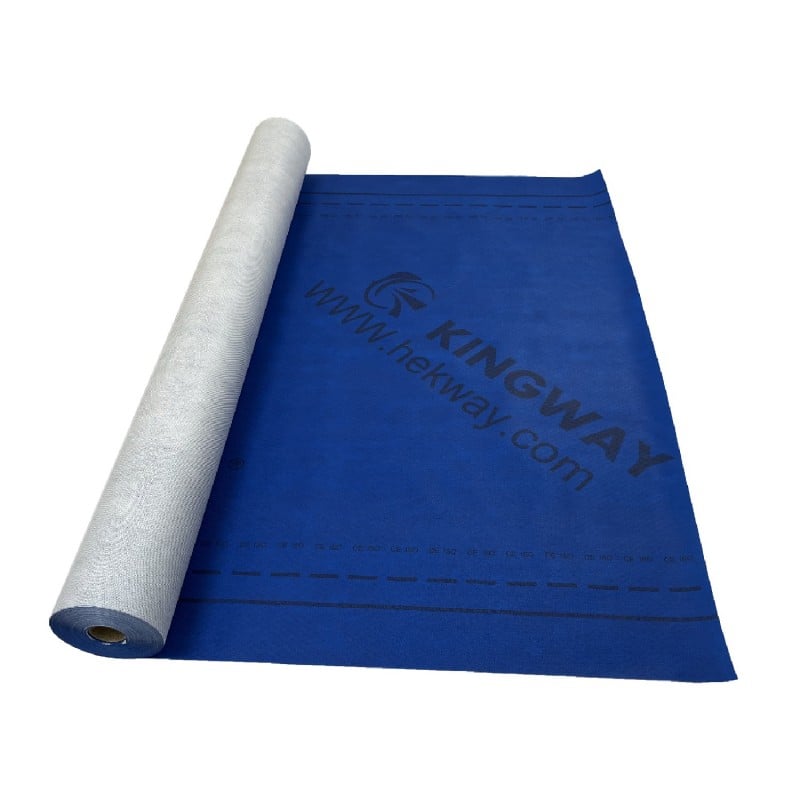
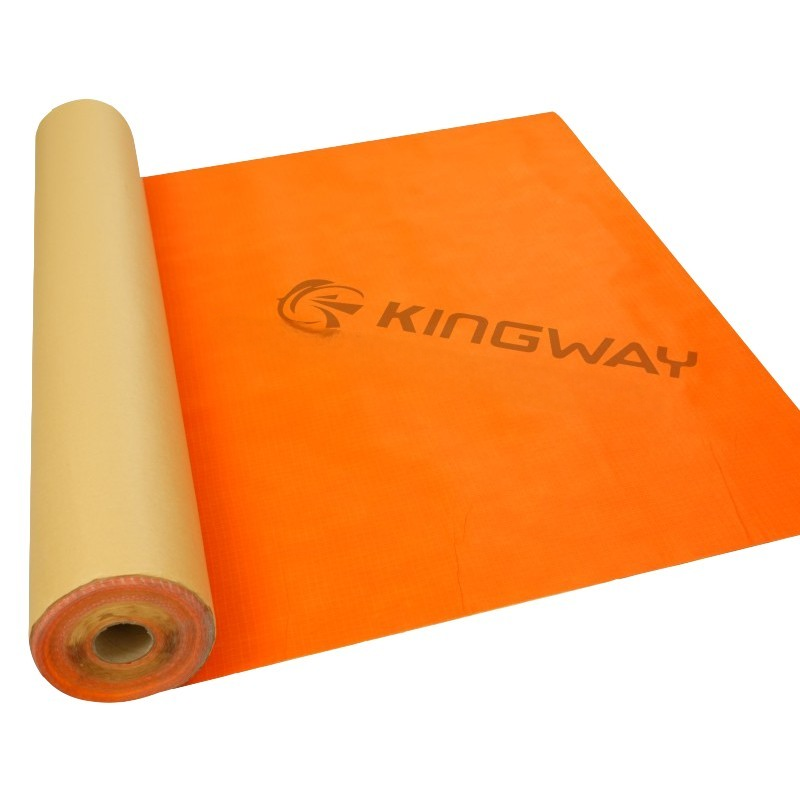
A breathable underlayment is a protective layer installed beneath roofing, siding, flooring, or other exterior finishes. Its main job is to block wind-driven rain, snow, dust, and drafts while allowing trapped water vapor to move out of the building assembly. This balance helps keep insulation and structural materials drier, reducing the conditions that support mold, rot, corrosion, and premature material failure. Unlike a fully sealed sheet, breathable underlayment supports controlled vapor release without giving up weather resistance. The breathable underlayment forms a continuous secondary barrier below the primary roof or wall covering. It can also improve air tightness, limit heat loss caused by uncontrolled drafts, and provide temporary protection during installation. Depending on the model, the breathable underlayment may use a microporous film, a spunbonded synthetic structure, or a multi-layer composite. These technologies combine high water resistance with vapor permeability. Many products also include tear-resistant reinforcement, printed overlap guides, anti-slip surfaces, UV exposure tolerance, and marked fixing zones. These details help installers work faster and place laps and fasteners more accurately. In roofing, breathable underlayment is commonly used beneath tiles, metal panels, shingles, and slate. Wall applications include timber frames, rainscreen systems, and ventilated facades. Some versions suit pitched roofs, renovation work, low-energy buildings, and modular construction. A properly selected breathable underlayment works with insulation, ventilation paths, and the final covering as part of a complete moisture-control system. Always check the product data for vapor performance, exposure limits, compatibility, and local installation requirements. For homeowners, builders, and contractors, breathable underlayment offers a practical way to protect the building envelope while supporting long-term performance.