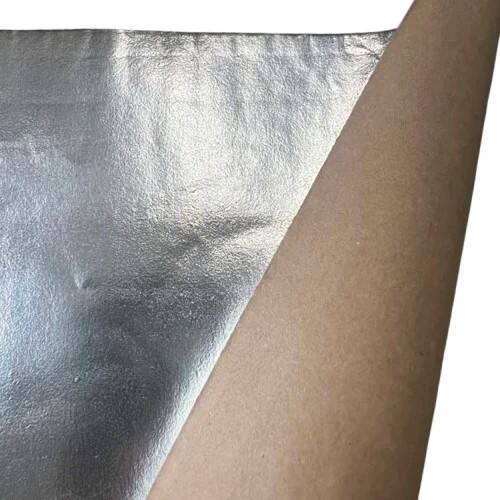
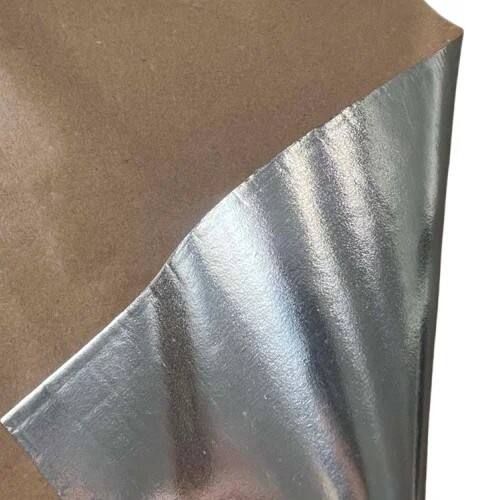
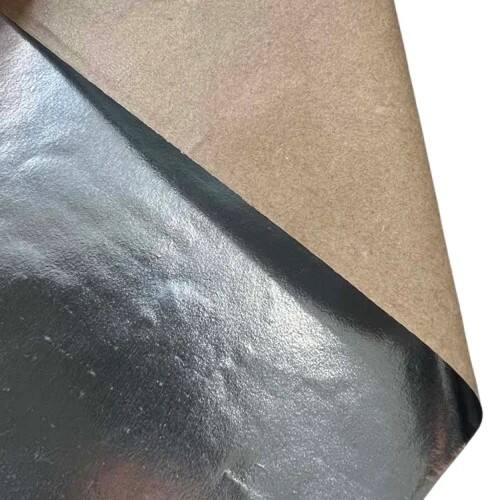
house wrap material
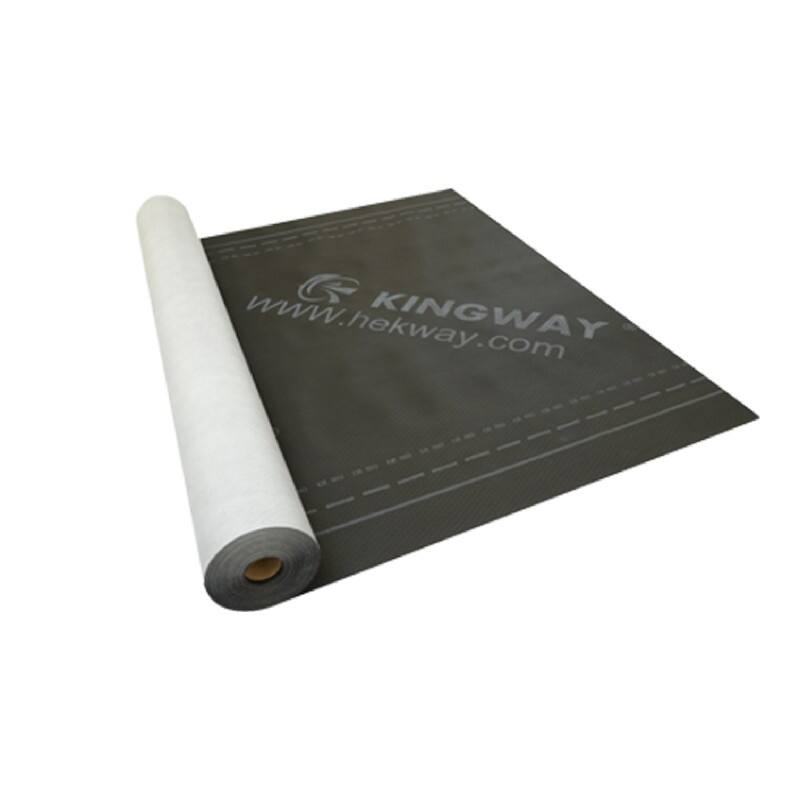
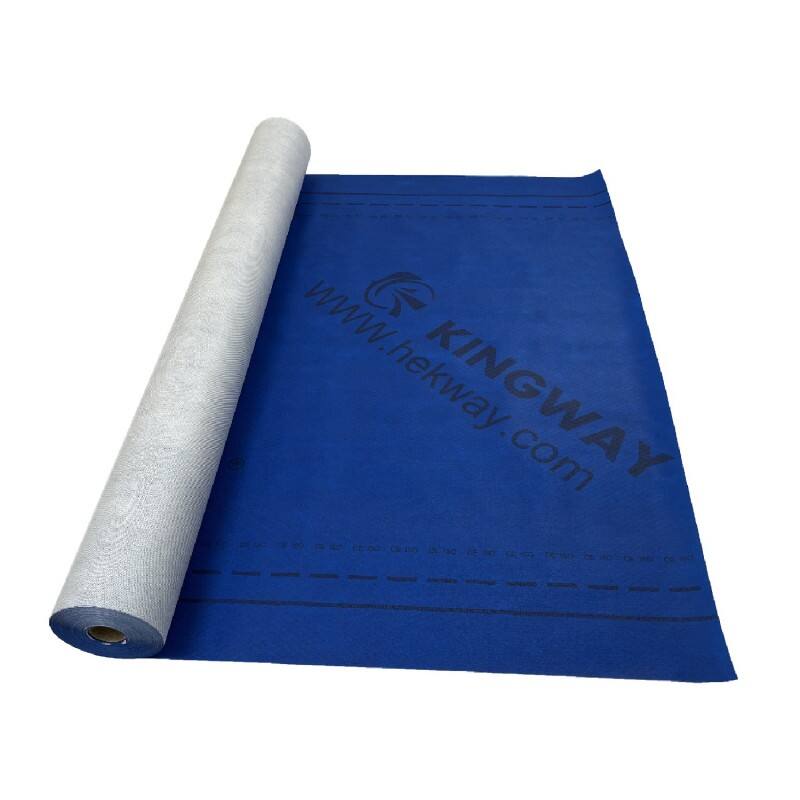
House wrap material is a critical weather-resistant barrier designed to protect residential and commercial buildings from external moisture, wind, and air infiltration while allowing interior water vapor to escape. This essential construction component is installed between the exterior cladding and the wall sheathing, creating a protective envelope that enhances structural durability and energy efficiency. Modern house wrap material consists of specialized synthetic fabrics, typically made from high-density polyethylene or polypropylene fibers, engineered with micro-perforations or breathable membranes that balance water resistance with vapor permeability. The primary functions include preventing water intrusion from rain, snow, and wind-driven moisture that can penetrate through siding joints and fastener holes, while simultaneously allowing moisture vapor generated inside the building to escape outward, preventing condensation and potential mold growth within wall cavities. Technologically advanced house wrap material features superior tear resistance, UV stability for extended exposure during construction, and consistent breathability ratings measured in perms. Applications span new construction projects, renovation work, and retrofit installations across various climate zones. Professional builders and homeowners choose quality house wrap material to establish effective drainage planes, improve thermal performance, reduce air leakage, and protect insulation materials from moisture damage. This protective layer serves as insurance against costly water damage, contributing significantly to long-term building performance, occupant comfort, and structural integrity while meeting modern building codes and energy standards.