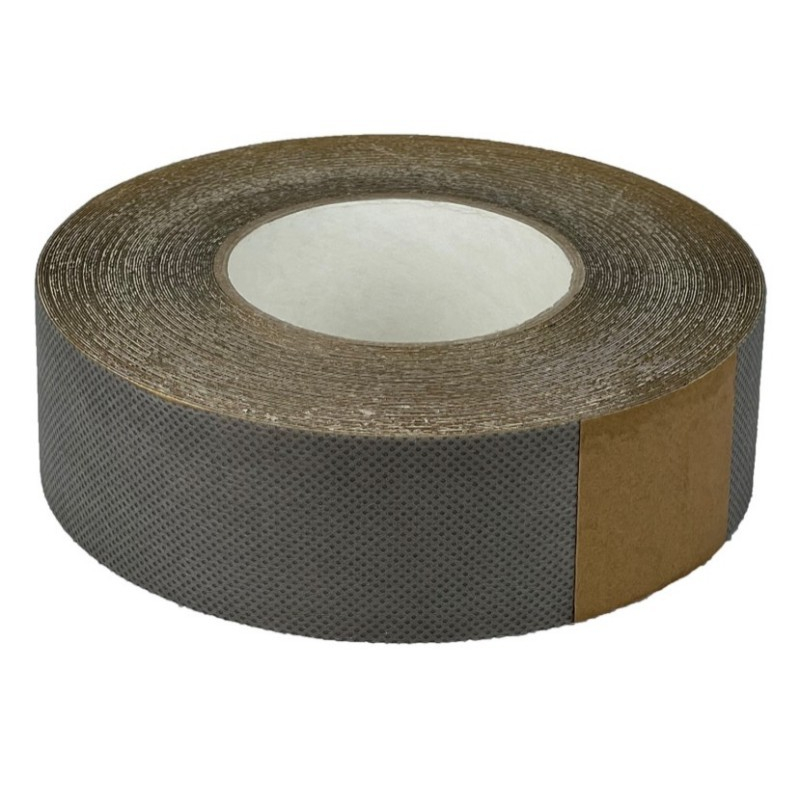
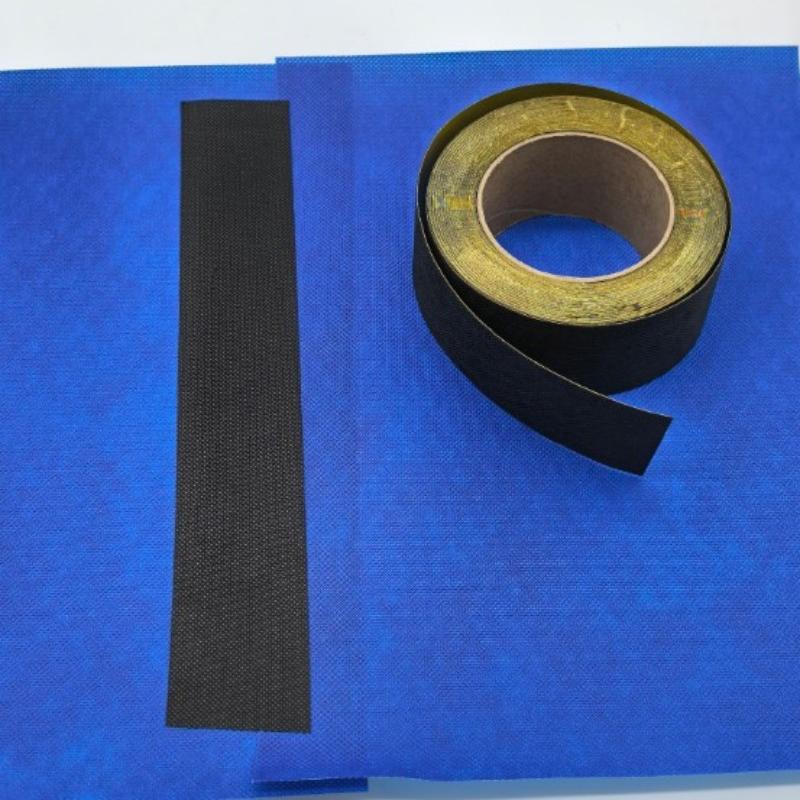
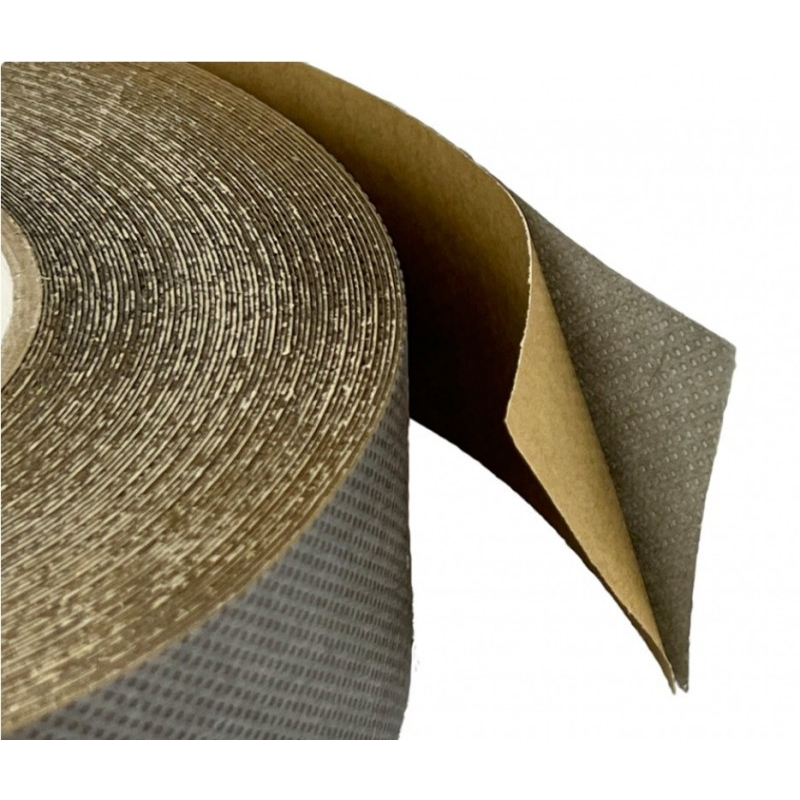
house wrap membrane
A house wrap membrane is a protective sheet installed beneath exterior cladding to help a wall assembly manage water, air, and moisture. The house wrap membrane sits outside the sheathing and behind siding, brick, panels, or other finishes. Its main role is to stop wind-driven rain from reaching the wall while allowing trapped vapor to move outward. This balance helps the house wrap membrane support a drier, more durable building envelope. A quality house wrap membrane also reduces unwanted air movement through small gaps around boards, corners, and openings. By limiting drafts, the house wrap membrane can help insulation work more effectively and support steadier indoor temperatures. Some products use a strong, tear-resistant film, while others combine multiple layers, a woven backing, or a textured surface. These technological features help the house wrap membrane withstand handling, fastening, and changing weather during construction. Many versions include printed overlap lines, measurement marks, or logos that guide installers and improve coverage. A breathable house wrap membrane helps release indoor moisture without allowing liquid water to pass inward. Some systems also offer UV exposure resistance, which protects the product when cladding installation takes longer than planned. Builders use house wrap membrane products in new homes, renovations, apartments, offices, warehouses, and other framed structures. The right house wrap membrane depends on climate, wall design, cladding type, installation method, and local building requirements. In practical terms, it acts as a secondary weather barrier that protects the structure behind the visible exterior.