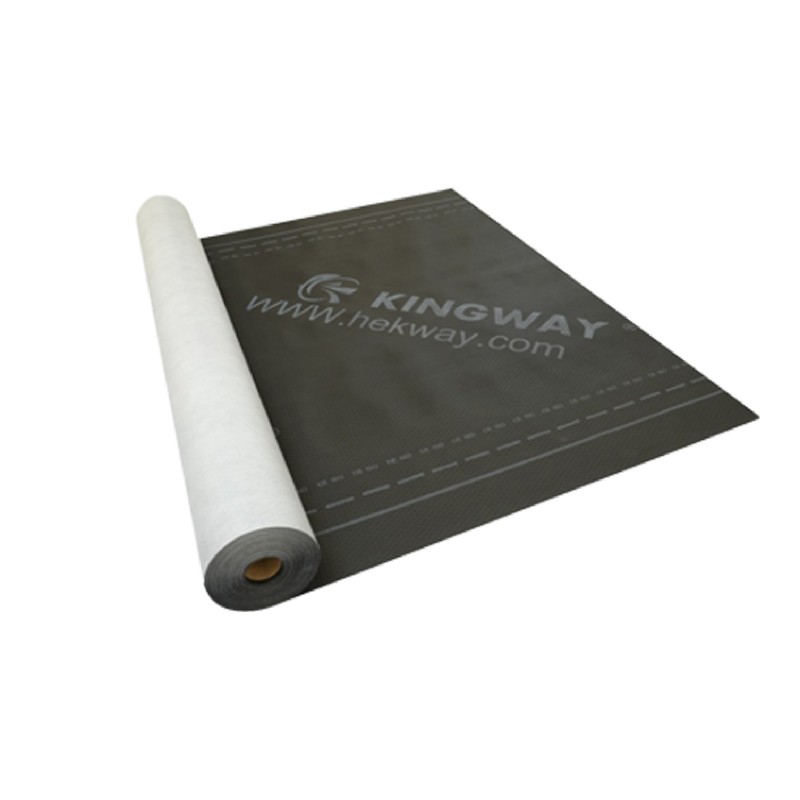
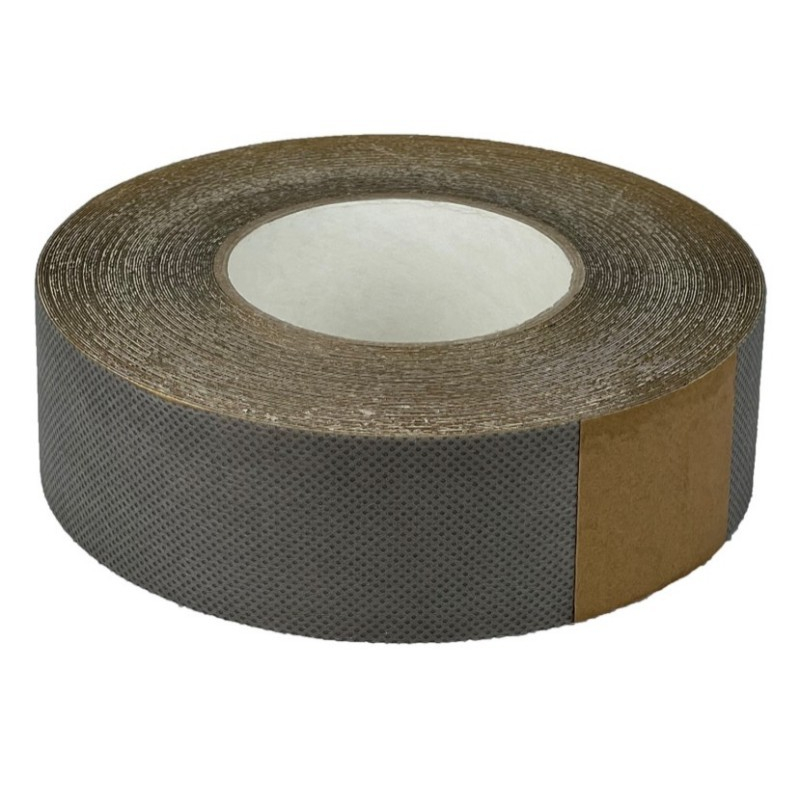
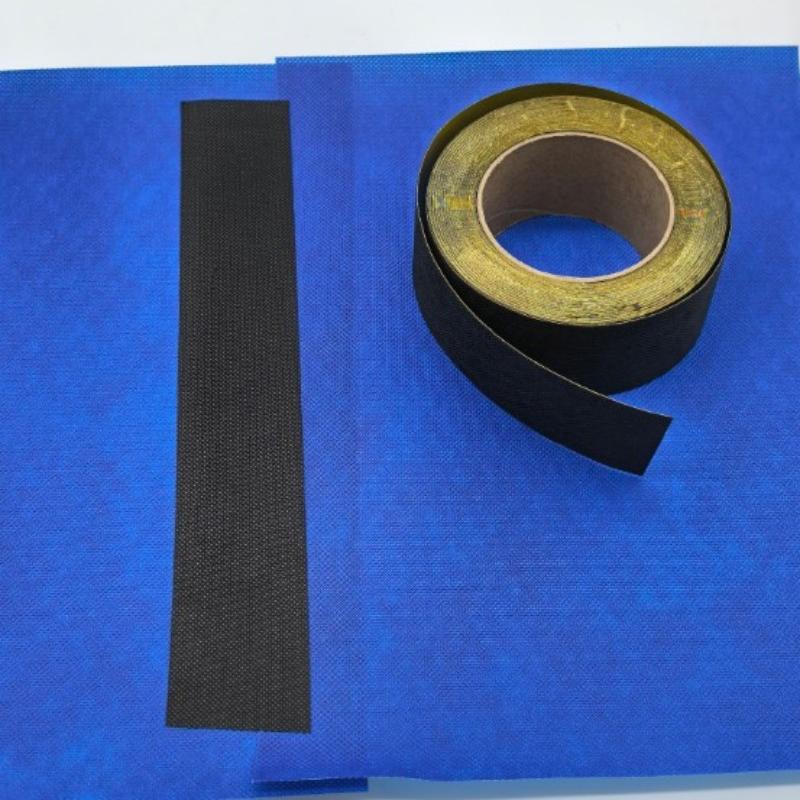
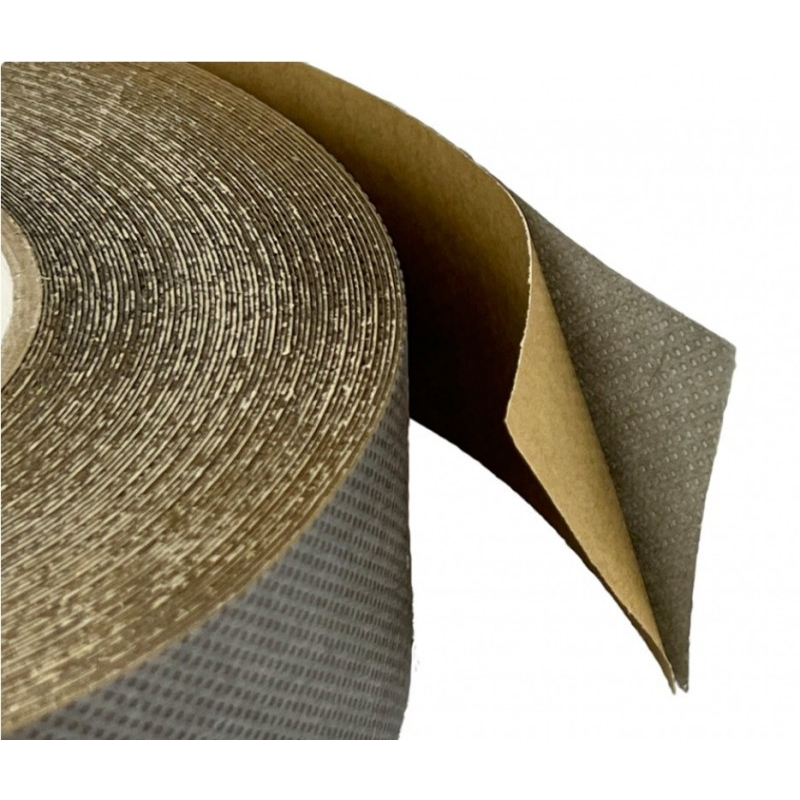
house wrap for siding
House wrap for siding is a protective membrane installed over exterior wall sheathing and beneath siding. It creates a secondary weather barrier that helps keep rain, snow, and wind out of the wall assembly while allowing indoor moisture to escape. For this reason, house wrap for siding supports a drier, more durable building envelope without replacing the primary siding system. Its main function is to control unwanted water and air movement. Overlapping sheets, sealed seams, and carefully treated openings help stop wind-driven rain from reaching insulation, framing, and interior finishes. At the same time, many products use a breathable structure that lets vapor move outward, helping reduce trapped moisture and mold risk. Modern house wrap for siding may include microperforated or nonperforated films, water-resistant coatings, integrated drainage channels, and printed installation guides. Some versions also offer higher tear strength, UV exposure limits, or factory-applied adhesive strips. These features can improve handling and help installers create a more consistent seal. Applications include new residential construction, commercial low-rise projects, remodeling, and repair work beneath vinyl, fiber cement, wood, metal, and engineered siding. House wrap for siding works with properly flashed windows, doors, corners, and penetrations to form a continuous protective layer. Buyers should compare water resistance, vapor permeability, air control, durability, roll size, fastening needs, and local code requirements. The right house wrap for siding improves weather protection while supporting efficient installation and long-term wall performance.