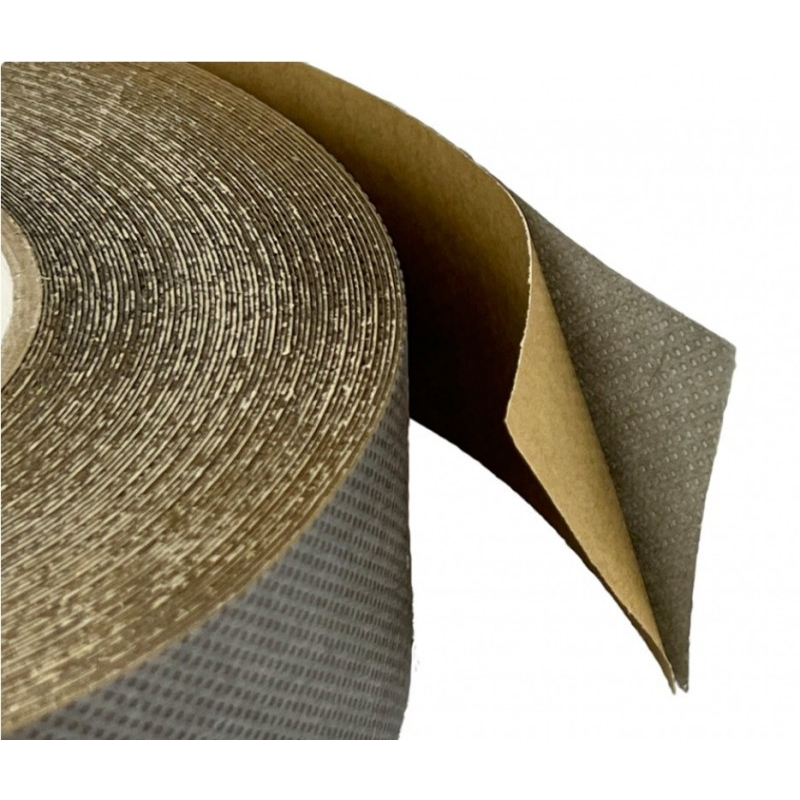
roof breathable felt
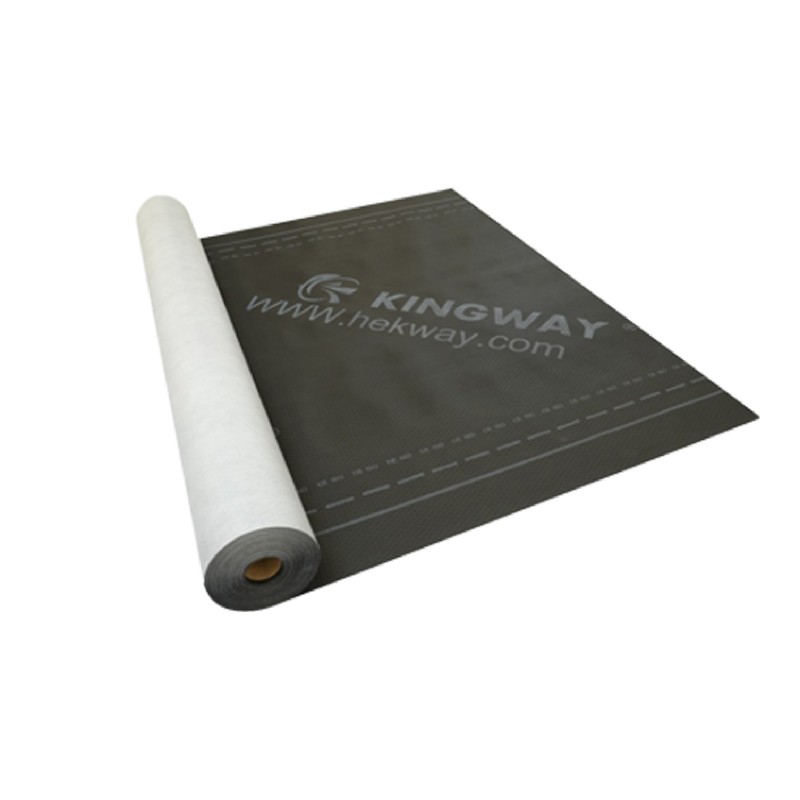
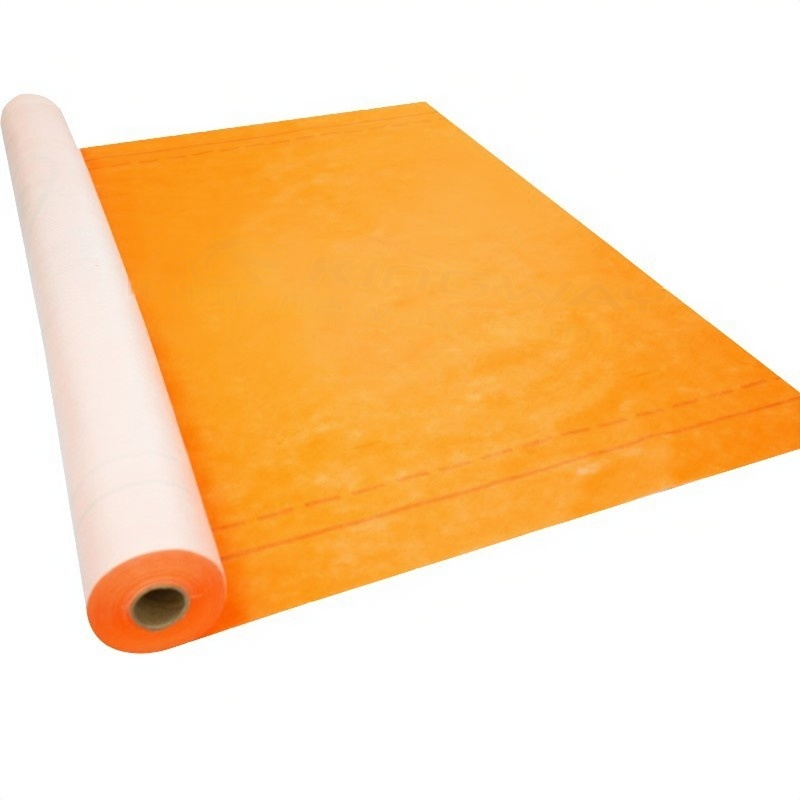
Roof breathable felt is a protective membrane installed beneath roof coverings such as tiles, slates, and metal sheets. The roof breathable felt helps stop wind-driven rain, snow, and dust from reaching the insulation or interior, while allowing water vapour to escape from the building. This balance helps keep the roof structure drier and supports a healthier indoor environment. A roof breathable felt can act as a secondary weather barrier when small gaps or damaged roof coverings allow moisture through. The roof breathable felt also reduces draughts and limits the movement of fine particles beneath the outer roof. Modern roof breathable felt usually combines a strong synthetic base with a water-resistant, vapour-permeable coating. Some products include reinforced edges, printed overlap guides, and tear-resistant layers to make installation faster and more reliable. When roof breathable felt is correctly placed, its vapour control helps reduce condensation risk in cold roof spaces. The roof breathable felt can be fitted over rafters or laid across roof decking, depending on the roof design and local installation requirements. Unlike older non-breathable sheets, it often supports direct contact with insulation while maintaining moisture transfer, although installers should always check product instructions. For new construction, roof breathable felt forms part of the complete roof build-up. During renovation, roof breathable felt can improve weather protection without requiring a complete change of the outer covering. Choosing roof breathable felt means selecting a practical layer that supports durability, energy performance, and dependable protection. A roof breathable felt is suitable for pitched residential roofs, extensions, garages, agricultural structures, and many commercial buildings. Product weight, tear strength, water resistance, vapour performance, and fire classification should guide the final selection.