roofing underlayment roll
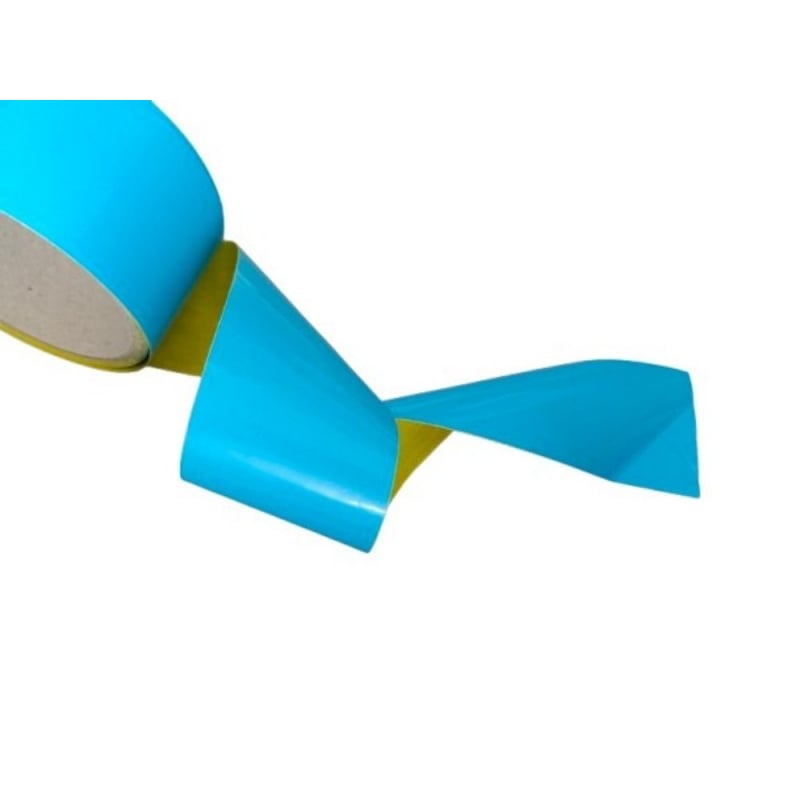
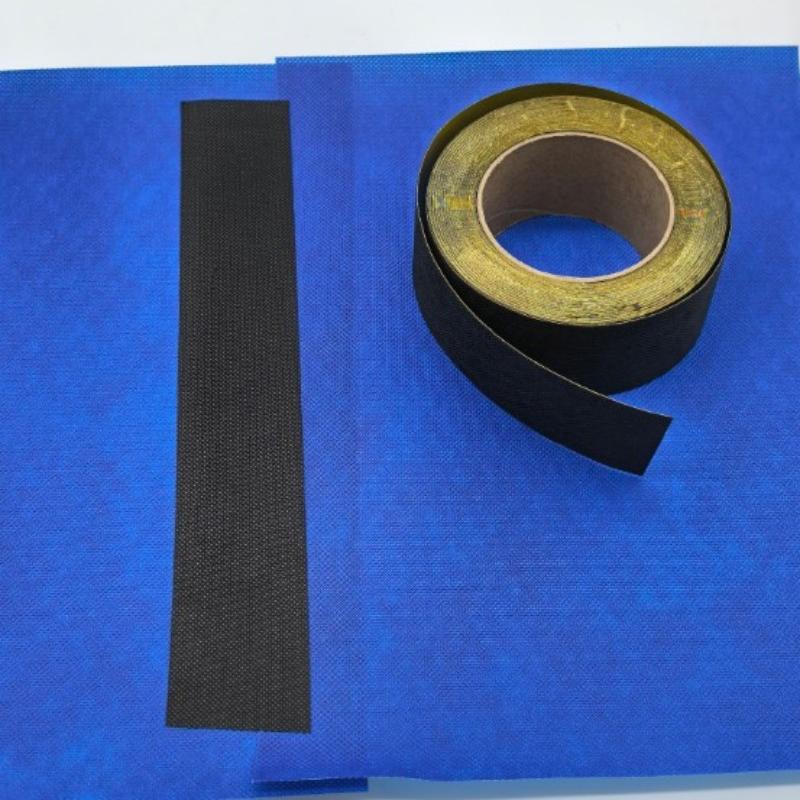
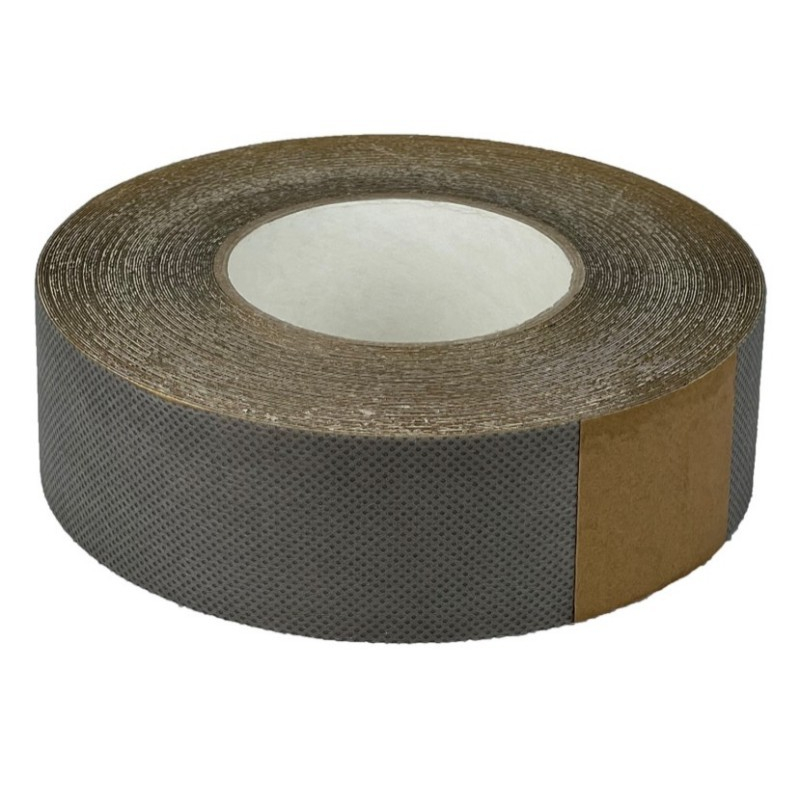
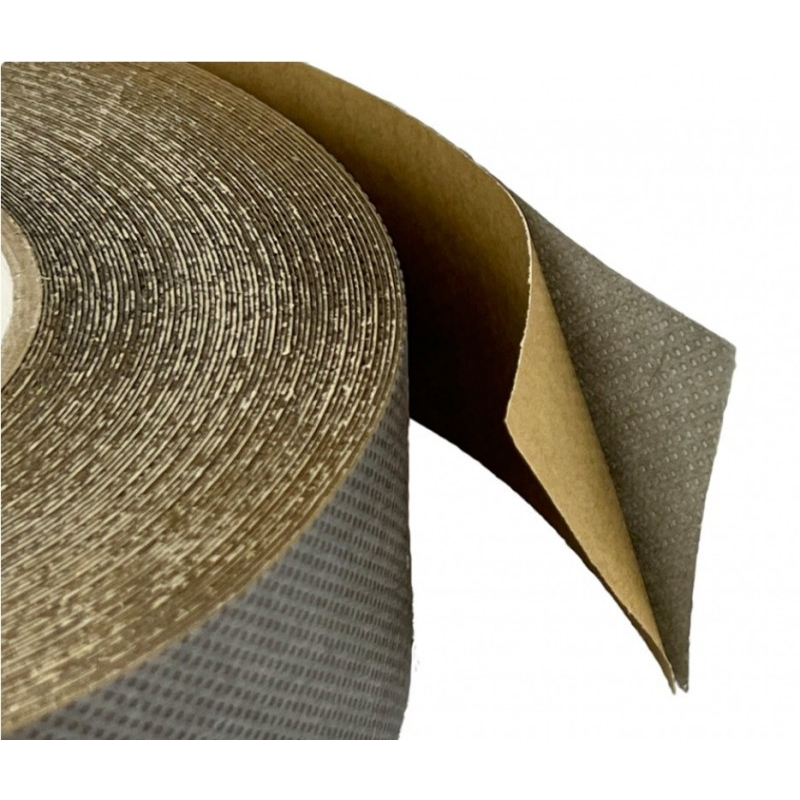
A roofing underlayment roll is a protective layer installed between the roof deck and the outer roofing material. It helps block rain, melting snow, wind-driven moisture, and dust from reaching the structure beneath shingles, tiles, metal panels, or other coverings. The roofing underlayment roll also creates a more consistent surface for roof installation and supports long-term weather resistance. Depending on the design, the roofing underlayment roll may use asphalt-saturated felt, synthetic fabric, or a self-adhering membrane. Modern synthetic versions combine tear resistance with low weight, while adhesive products can seal around fasteners and reduce water paths. Many rolls include printed overlap guides, marked fastening lines, or measurement patterns that help crews position each sheet accurately. The roofing underlayment roll can also offer improved resistance to ultraviolet exposure when roof covering installation takes place in stages. Some products remain flexible in cold conditions and stable during hot weather, which supports dependable handling across different climates. A roofing underlayment roll suits new construction, roof replacement, repair work, and selected wall or flashing details. Installers commonly place it over clean, dry decking before adding the final roof covering. The roofing underlayment roll should match the roof design, local weather conditions, slope, code requirements, and chosen covering. Product width, length, thickness, surface texture, adhesive type, and recommended exposure time all affect project planning. By adding a controlled moisture barrier below the visible roof, the roofing underlayment roll gives property owners another layer of defense and helps contractors build a cleaner, more reliable roofing system.