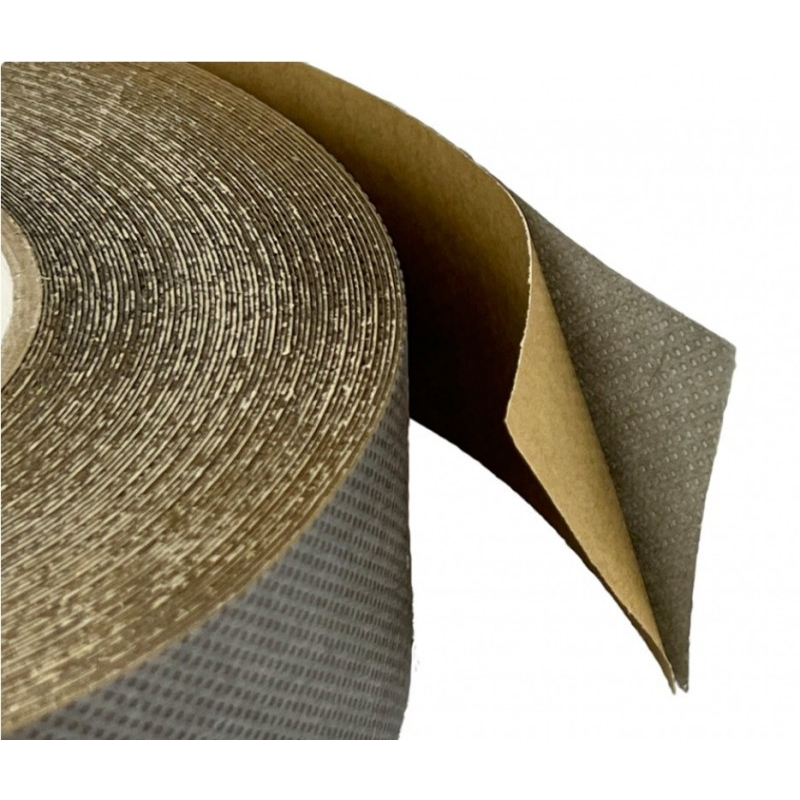
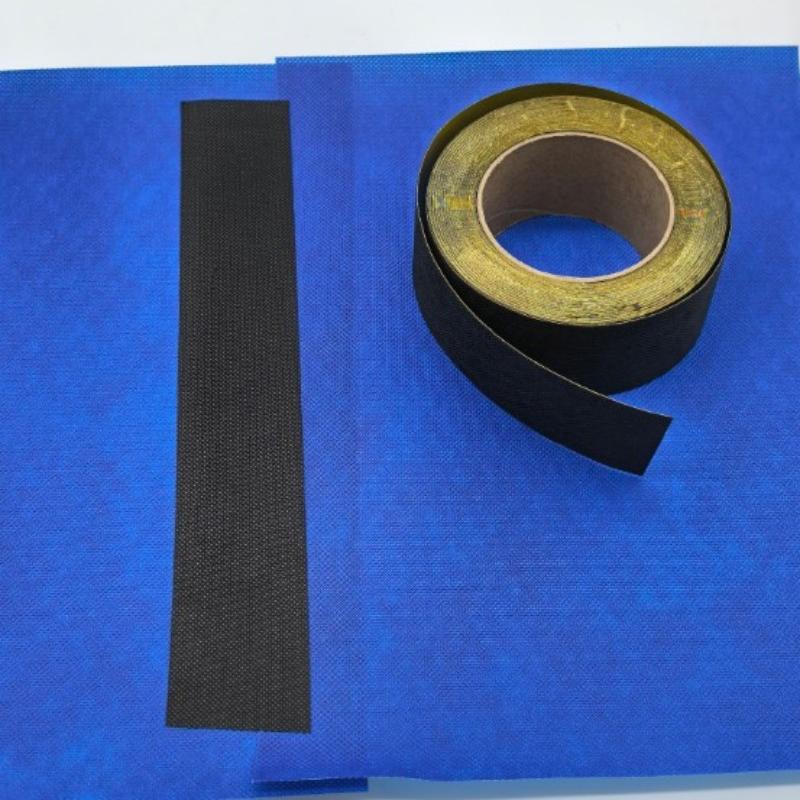
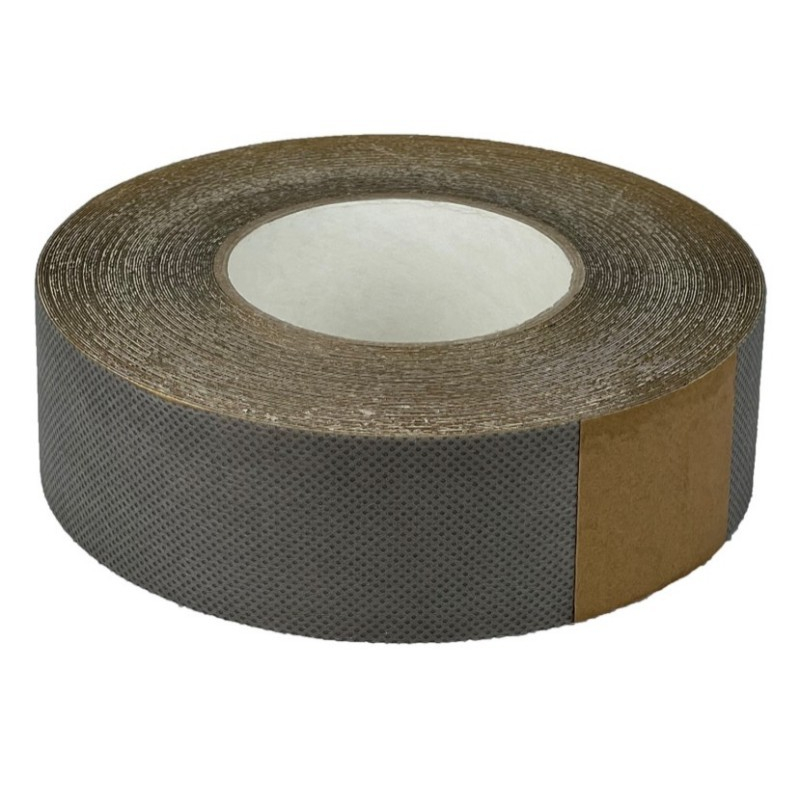
vapour barrier membrane
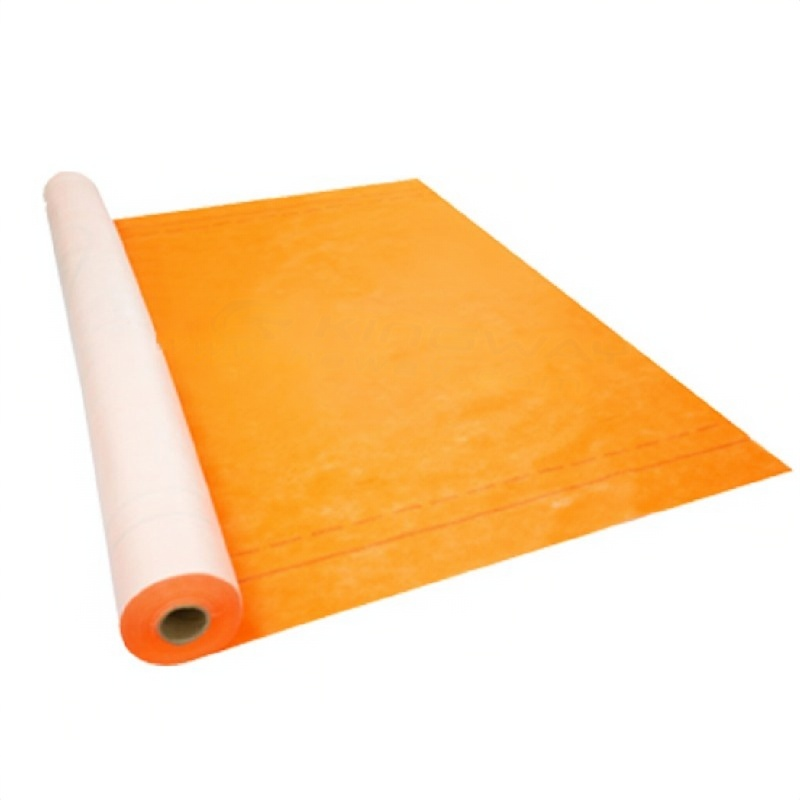
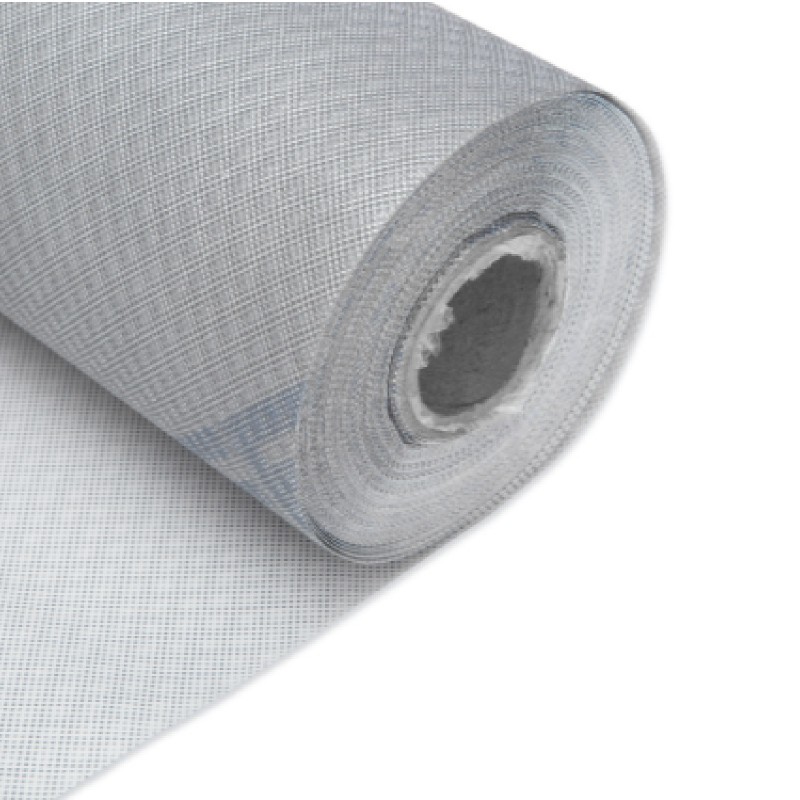
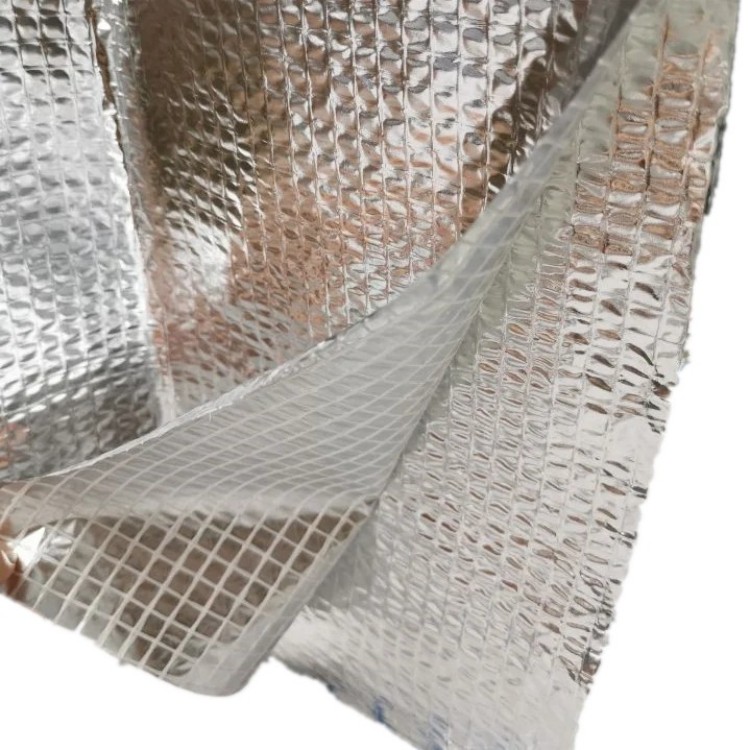
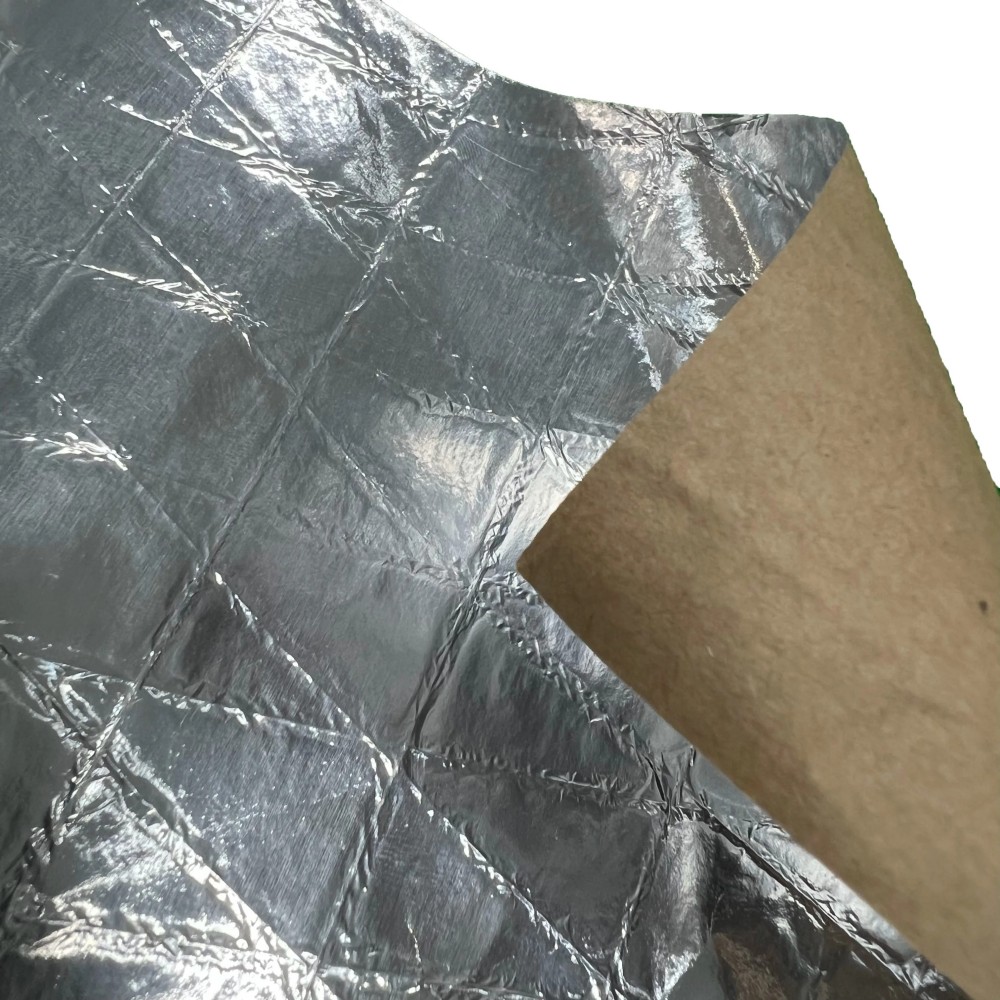
A vapour barrier membrane is a thin, protective sheet that limits water vapour movement through walls, roofs, floors, ceilings, and other parts of a building. By controlling moisture, a vapour barrier membrane helps protect insulation, timber, plasterboard, concrete, and interior finishes from condensation-related damage. It supports a drier, healthier, and more energy-efficient building envelope. The vapour barrier membrane works by creating a continuous layer with low vapour permeability. This layer slows moisture travelling from warm, humid areas toward colder surfaces where it could condense. A vapour barrier membrane can also reduce unwanted air movement when installers seal joints, edges, penetrations, and service openings correctly. Modern products use strong polyethylene, reinforced composite, or advanced multi-layer structures. Some versions include a reflective surface, while others offer high tear resistance, flexibility, or improved performance around complex details. The right vapour barrier membrane depends on climate, building design, insulation position, indoor humidity, and local construction requirements. In new construction, the material commonly sits within walls, beneath floors, above ceilings, or below roof coverings. During refurbishment, a vapour barrier membrane can improve moisture control without requiring major structural changes. Its lightweight form makes transport and handling simple, while marked overlap lines can speed up accurate installation. A vapour barrier membrane is not a substitute for ventilation or waterproofing; it forms one part of a complete moisture-management system. When selected and installed properly, a vapour barrier membrane helps maintain stable insulation performance, reduce mould risk, preserve materials, and extend the service life of the building envelope.