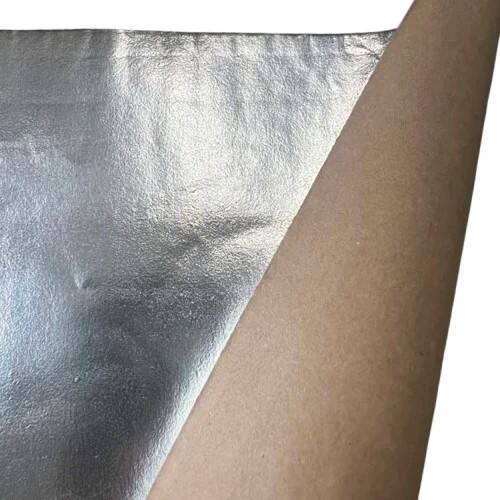
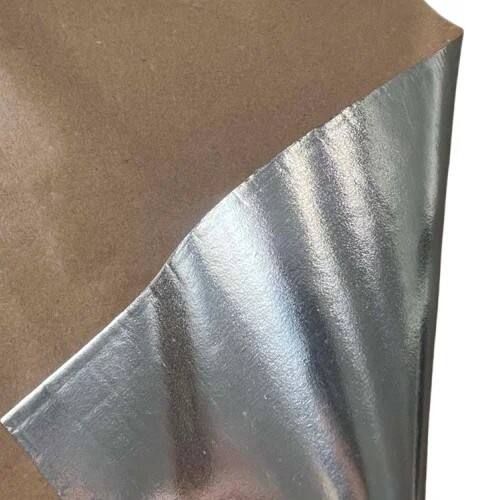
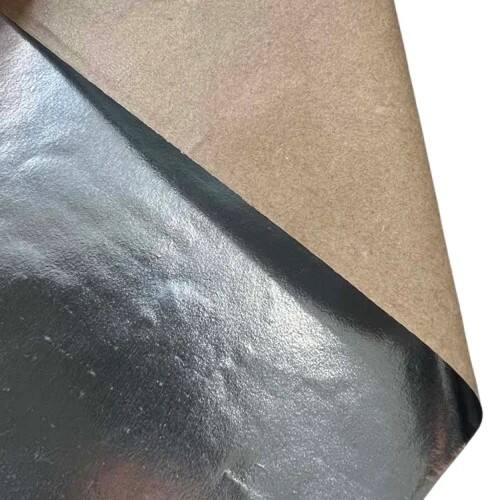
Universal Compatibility and Application Flexibility
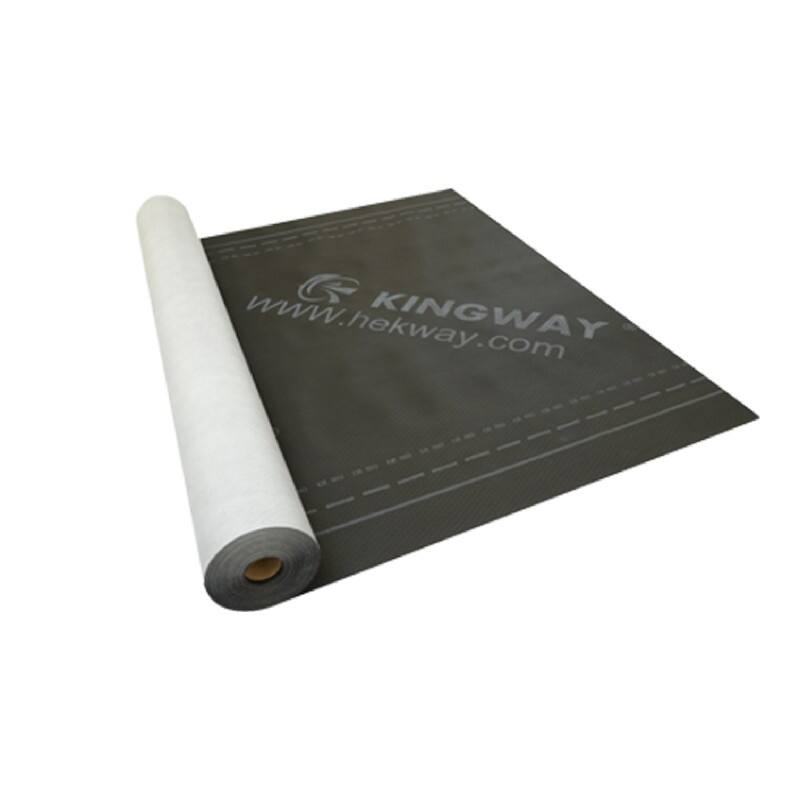
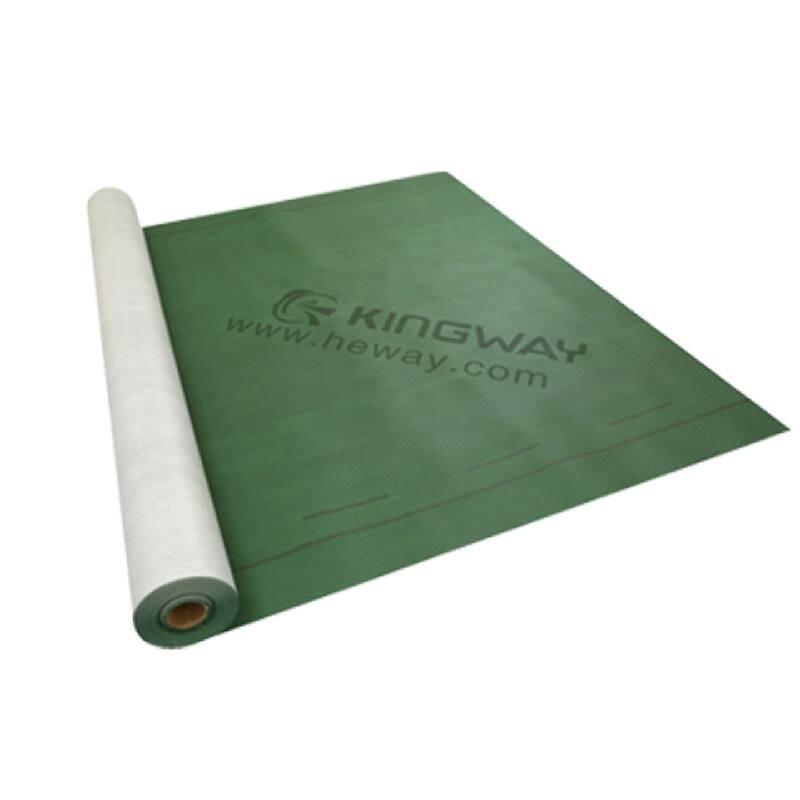
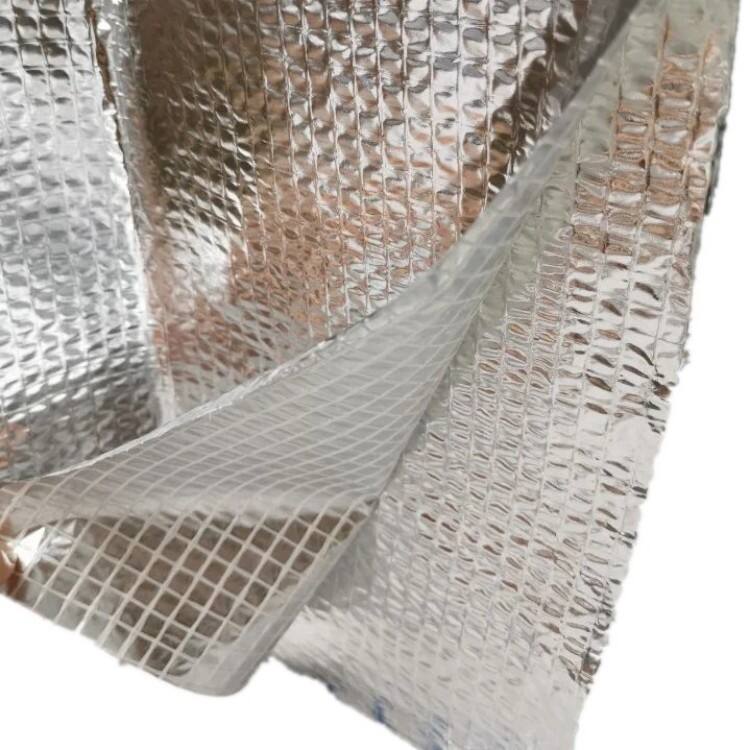
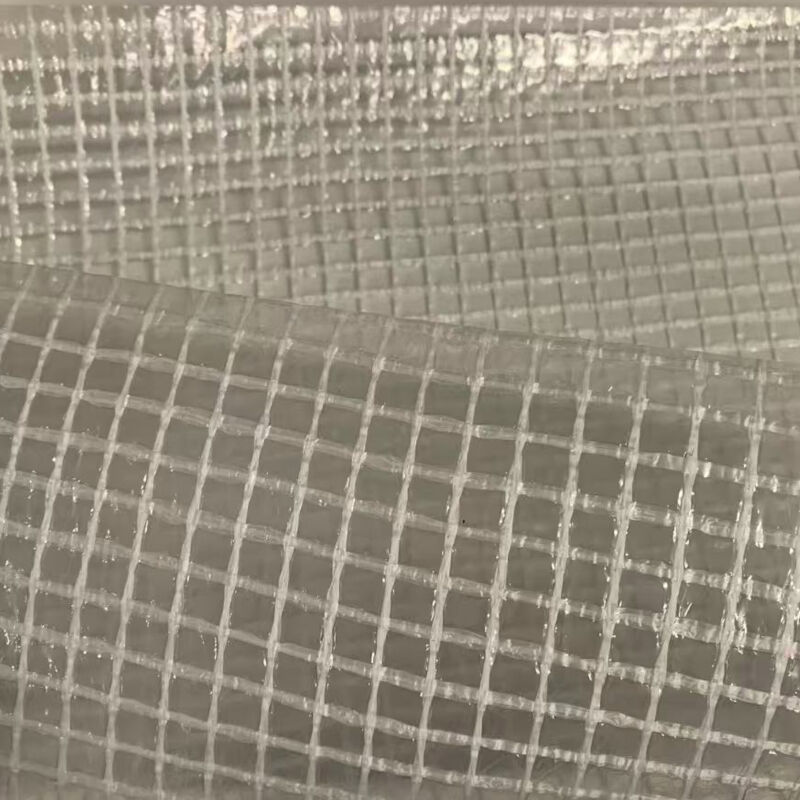
One of the most compelling advantages of a permeable vapour barrier is its exceptional compatibility across various building systems, materials, and construction methods. Whether applied in timber frame structures, steel buildings, masonry constructions, or hybrid assemblies, this membrane integrates seamlessly without requiring specialized installation procedures. It works effectively with all common insulation types including fibreglass batts, mineral wool, spray foam, and rigid board products, maintaining their thermal performance by preventing moisture accumulation. The permeable vapour barrier suits both new construction projects and retrofit applications where existing buildings experience moisture problems. Contractors appreciate that standard installation techniques apply—the membrane can be stapled, taped, or mechanically fastened using conventional methods and tools. This compatibility extends to various architectural designs from simple residential homes to complex commercial structures with intricate envelope details. The material performs reliably in diverse climate zones, making it suitable for cold climates prone to condensation, moderate regions with variable conditions, and humid environments where moisture management proves challenging. This universal applicability simplifies product selection for architects and builders, eliminating the need to specify different vapour control solutions for different building components or projects, thereby reducing inventory complexity and procurement costs.