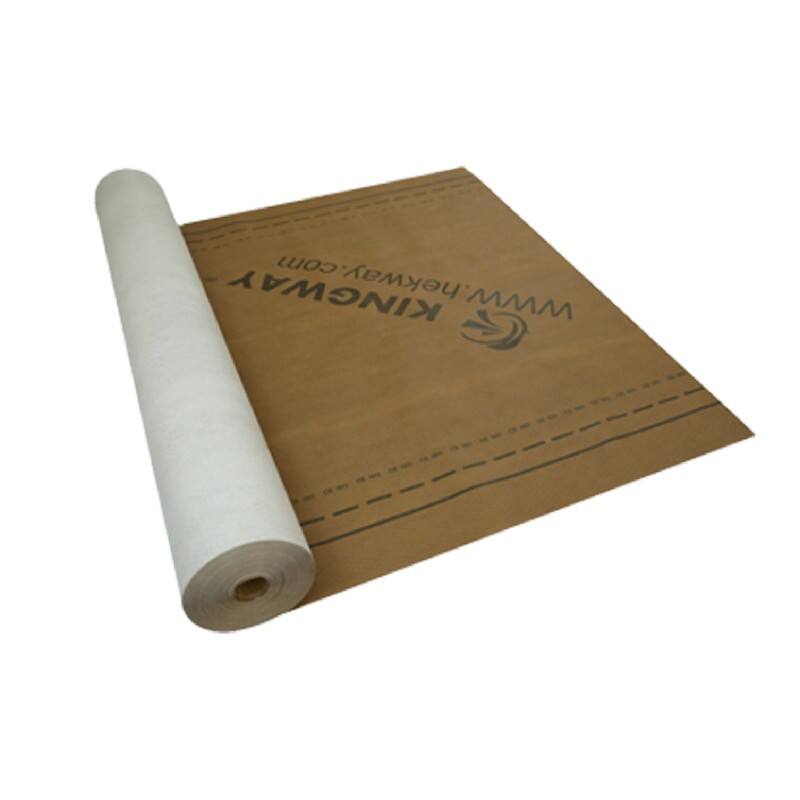
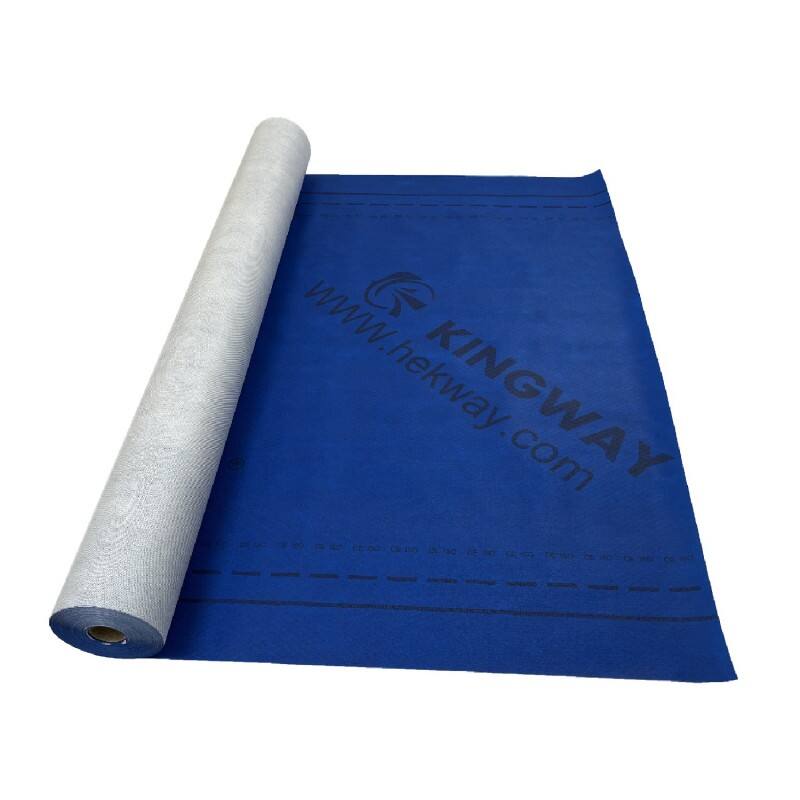
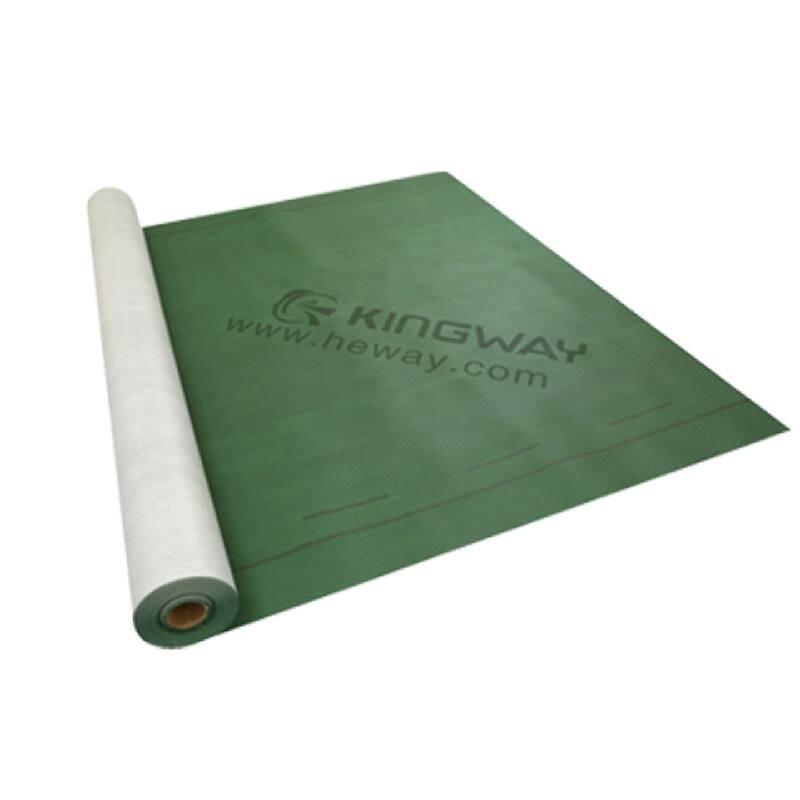
vapour barrier for walls
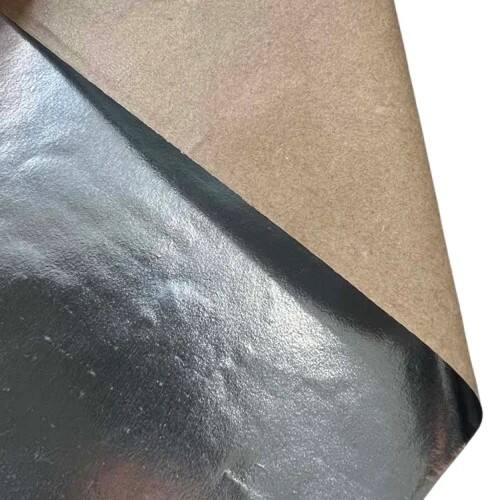
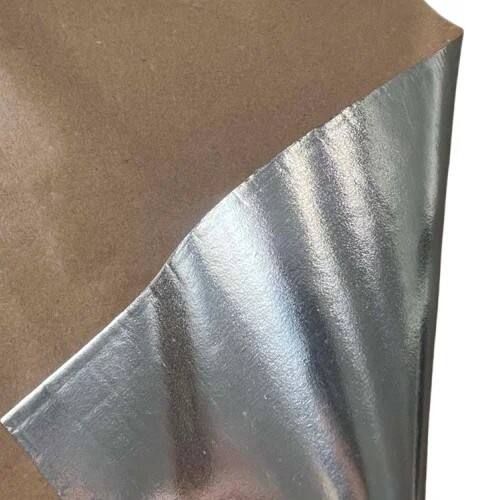
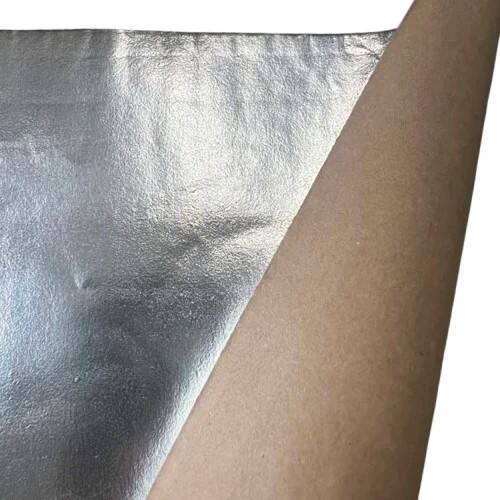
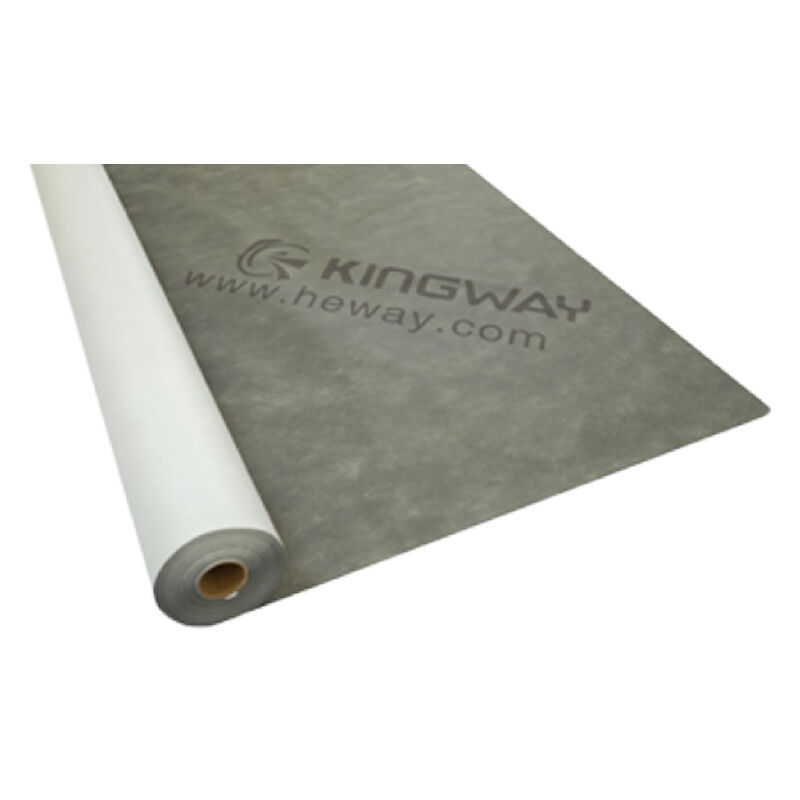
A vapour barrier for walls is a critical protective layer installed within wall assemblies to control moisture movement and prevent water vapour from penetrating into wall cavities. This specialized membrane acts as a barrier that stops humid air from reaching cold surfaces where condensation could occur, protecting the structural integrity of buildings. The vapour barrier for walls is typically made from polyethylene sheets, foil-backed materials, or specialized coated papers that resist moisture transmission. Its primary function involves regulating the flow of water vapour through wall systems, preventing moisture accumulation that can lead to mould growth, wood rot, insulation damage, and structural deterioration. The technological features of a vapour barrier for walls include low permeability ratings measured in perms, durability under construction conditions, and compatibility with various insulation types. Modern vapour barriers incorporate advanced polymer technology that maintains flexibility across temperature ranges while providing superior moisture resistance. Installation positioning depends on climate zones, with the barrier typically placed on the warm side of insulation in heating-dominated climates. Applications span residential construction, commercial buildings, industrial facilities, and renovation projects where moisture control is essential. The vapour barrier for walls proves particularly valuable in bathrooms, kitchens, basements, and exterior walls where humidity levels fluctuate significantly. Proper installation requires careful attention to sealing joints, penetrations, and edges to maintain continuous protection and maximize the barrier's effectiveness in preserving building longevity and indoor air quality.