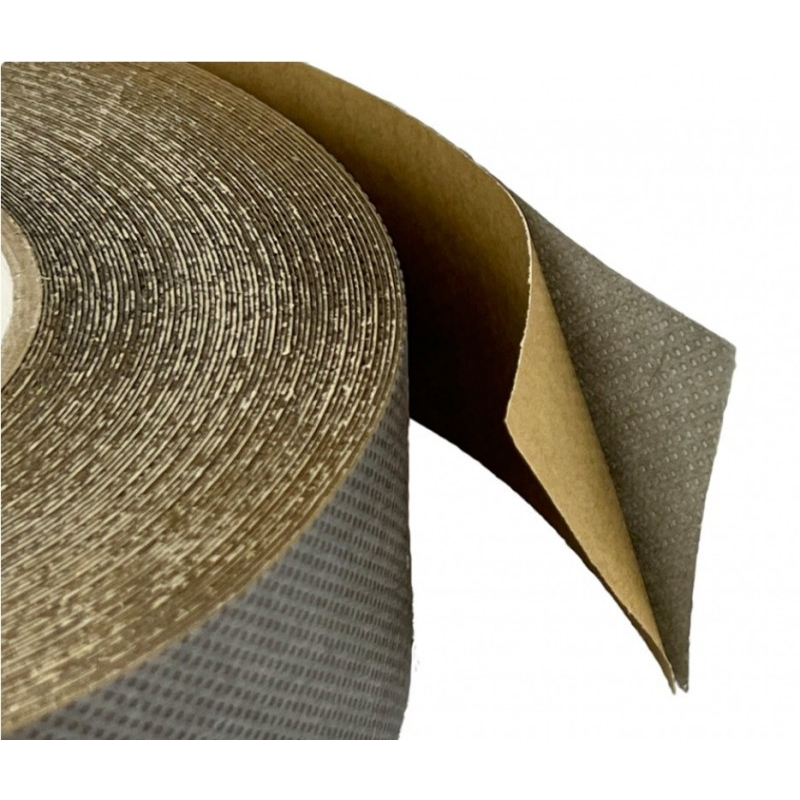
vapour barrier installation
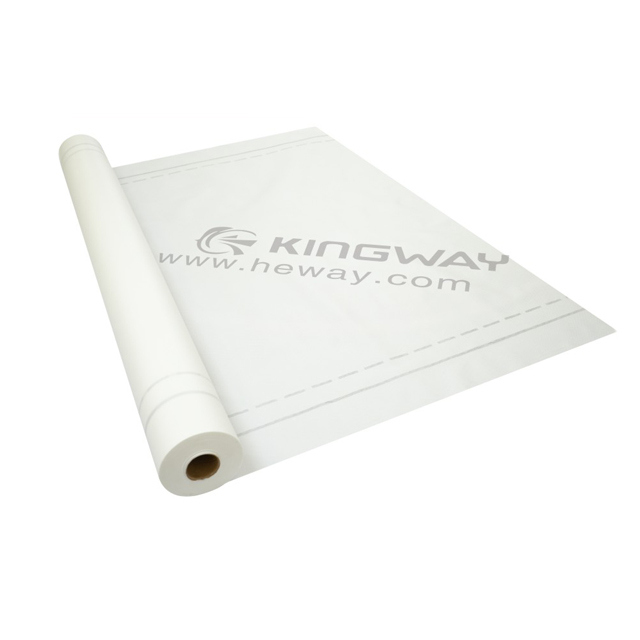
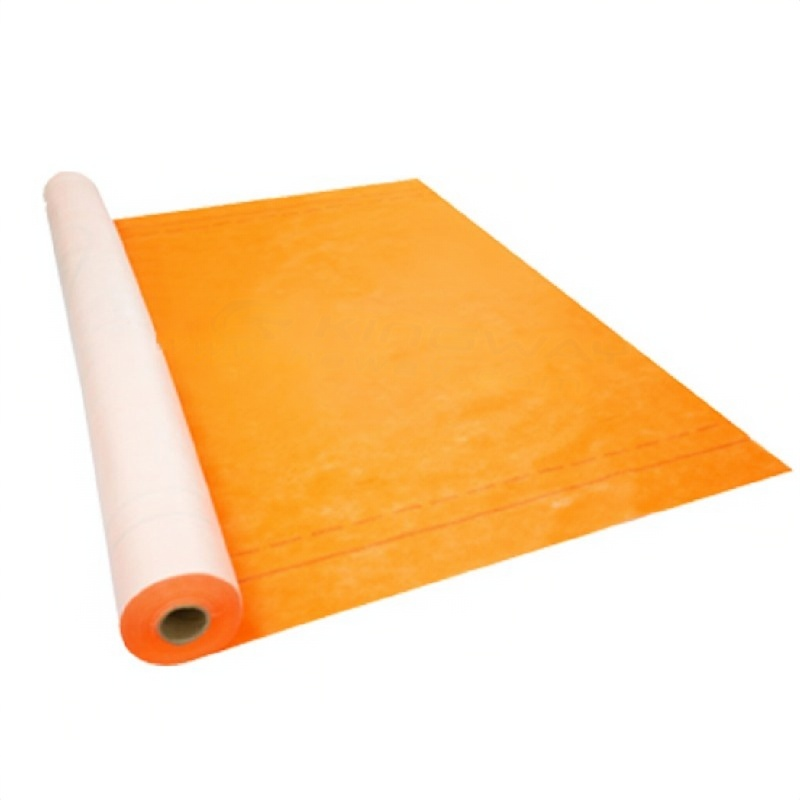
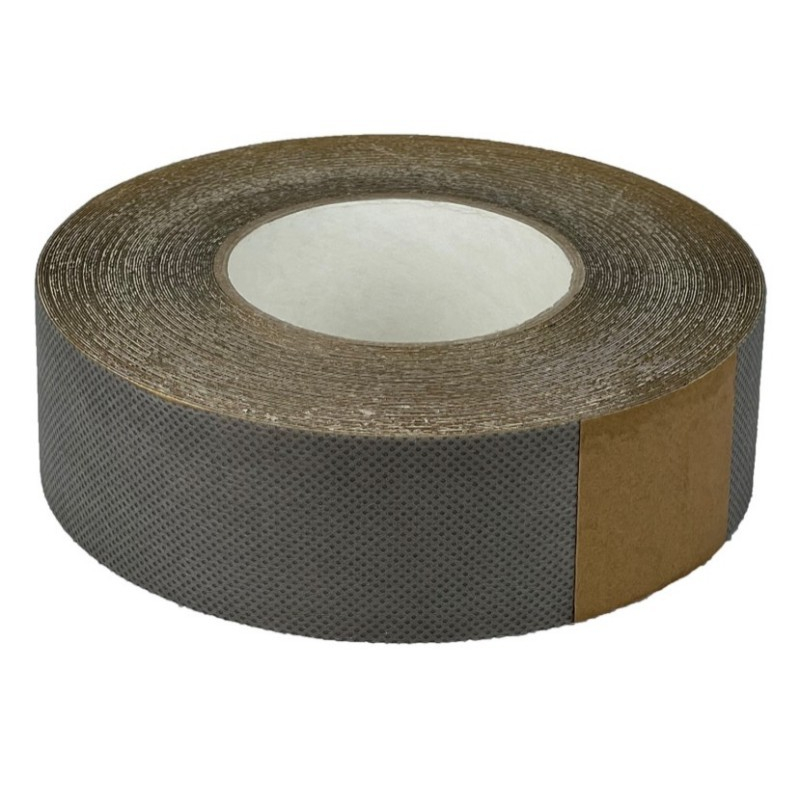
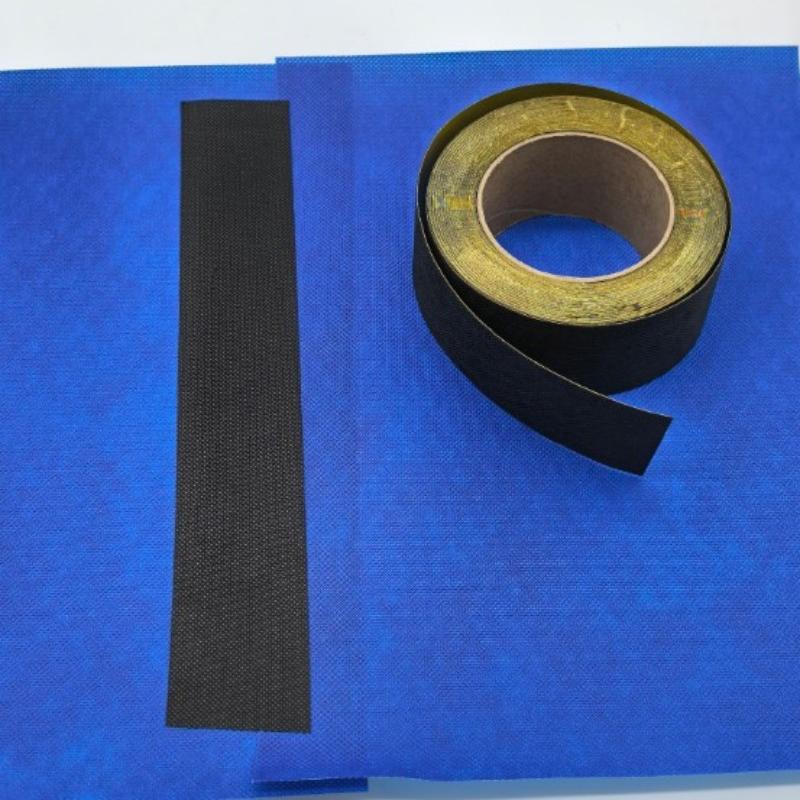
Vapour barrier installation is the process of placing a sealed, moisture-resistant layer on the warm side of a building's insulation. The vapour barrier installation limits water vapour moving from heated indoor rooms into walls, roofs, floors, or ceilings, where it could cool, condense, and cause dampness. A vapour barrier installation normally uses polyethylene sheet, reinforced membrane, foil-faced board, or another approved low-permeability material. During vapour barrier installation, installers measure the area, prepare a clean surface, position the membrane without unnecessary gaps, and seal joints around edges, fasteners, pipes, sockets, windows, and doors. Correct vapour barrier installation creates a continuous protective layer rather than a loose sheet with open seams. A professional vapour barrier installation may also include acoustic or thermal detailing when the chosen product supports those functions. The vapour barrier installation method depends on climate, building design, insulation type, ventilation, and local construction requirements. For renovation projects, vapour barrier installation can protect existing timber frames and insulation when moisture movement has caused mould, staining, or reduced performance. Good vapour barrier installation works alongside insulation and an effective external weather barrier; it does not replace roof covering, waterproofing, or ventilation. When planned properly, vapour barrier installation suits new homes, extensions, loft conversions, offices, warehouses, cold stores, and selected industrial spaces. Overall, vapour barrier installation provides a practical way to manage indoor humidity, preserve insulation, and support a more durable building envelope.