vapour control barrier
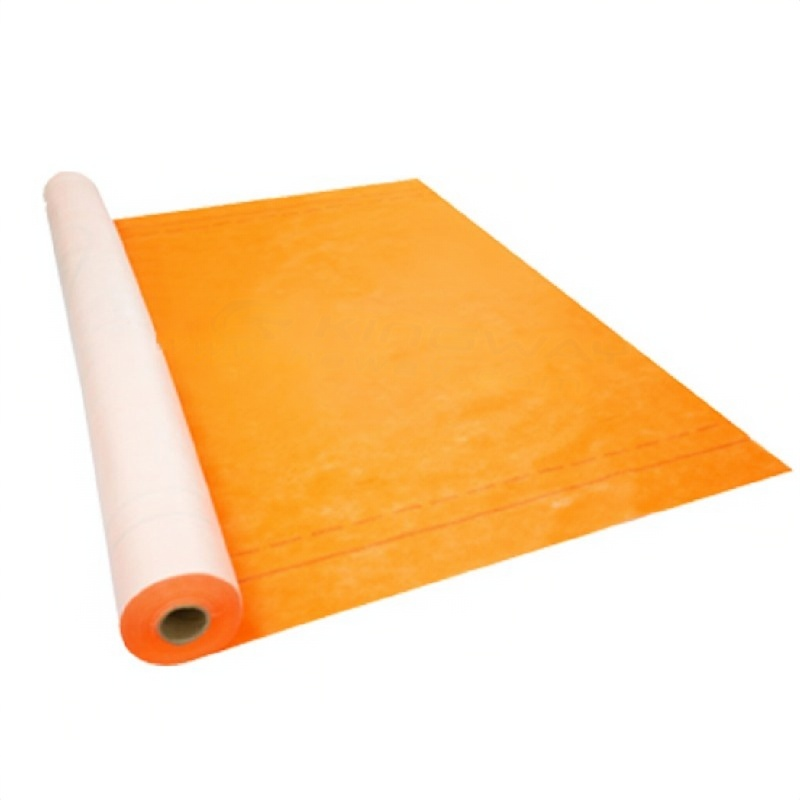
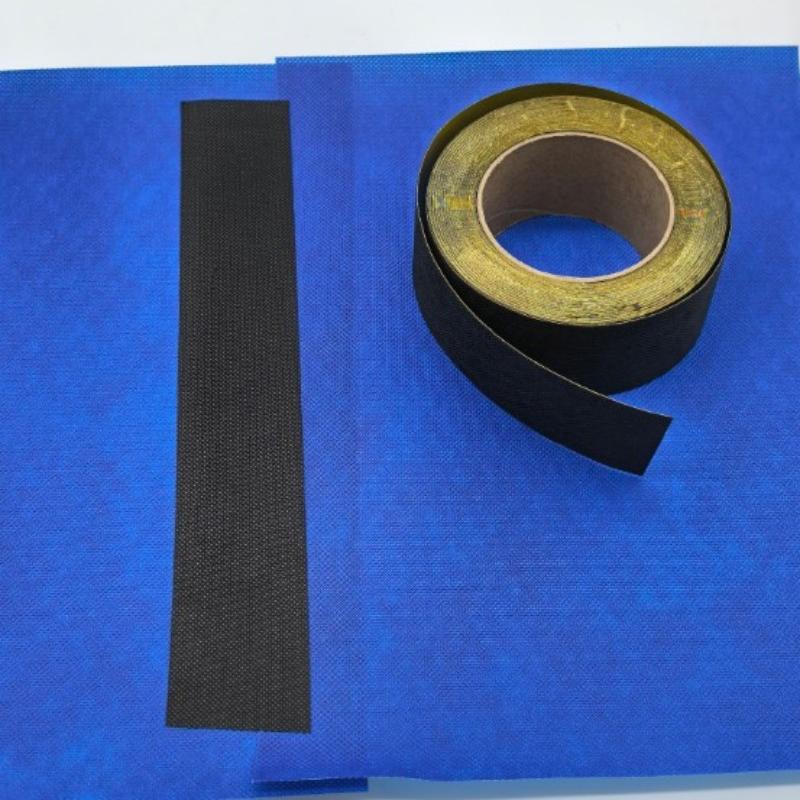
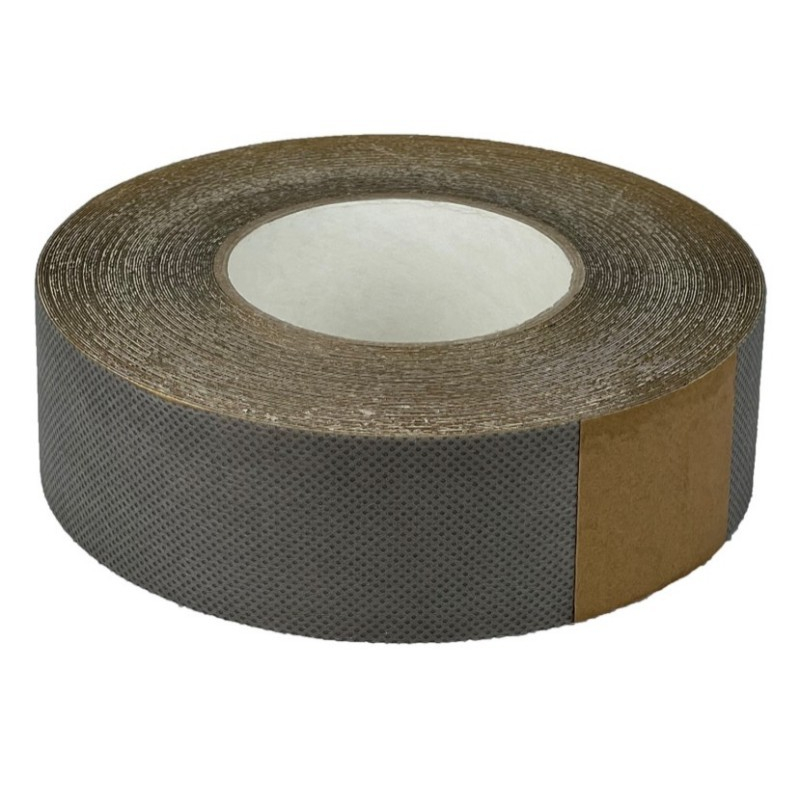
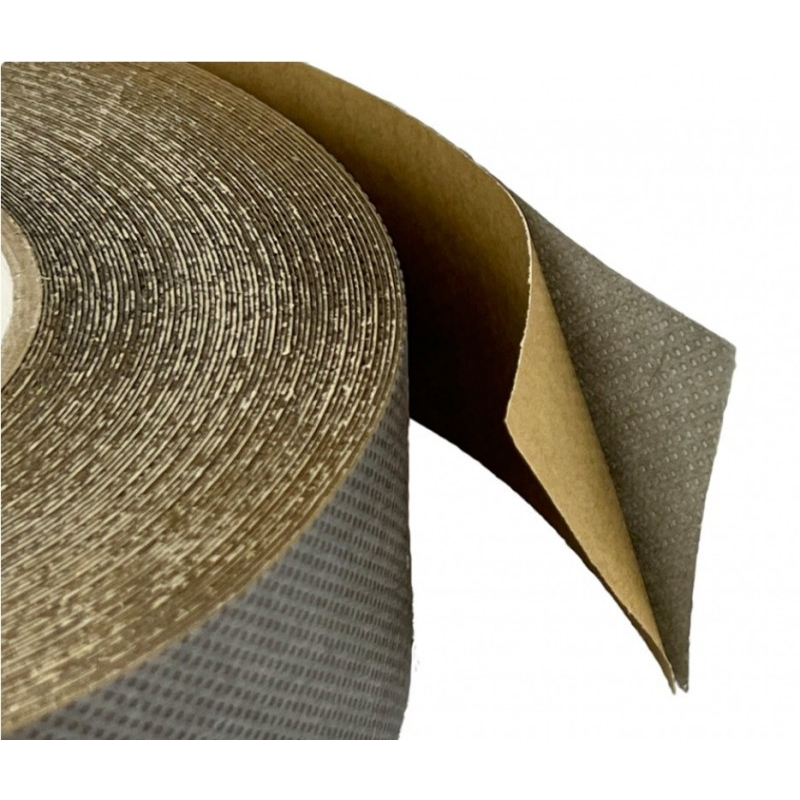
A vapour control barrier is a specialised layer that limits the movement of water vapour through a building envelope. It helps manage moisture in roofs, walls, ceilings, floors, and other insulated assemblies. By placing a vapour control barrier on the warm side of insulation, contractors can reduce the risk of condensation forming inside the structure. This simple moisture-management step supports a drier, healthier, and more durable building. The main function of a vapour control barrier is to control vapour flow without necessarily stopping all air movement or liquid water. Product performance depends on its vapour resistance, airtightness, joint treatment, and position within the construction. Modern vapour control barrier products use reinforced films, coated membranes, or flexible multilayer materials to deliver reliable protection with practical handling. Many products combine vapour resistance with strong tear resistance, making them suitable for demanding installation conditions. Some systems also provide variable vapour permeability. This technology allows a vapour control barrier to adapt to seasonal humidity changes, helping assemblies dry more effectively when conditions change. Installation usually involves overlapping sheets, sealing joints, and closing penetrations around pipes, cables, windows, and structural connections. A vapour control barrier can be used in new construction, refurbishment, modular buildings, timber frames, steel structures, and energy-efficiency upgrades. Correct selection should consider climate, wall design, insulation type, expected humidity, fire requirements, and local building regulations. When specified and installed correctly, a vapour control barrier provides a dependable moisture-control layer that protects insulation and supports long-term building performance.