waterproof breather membrane
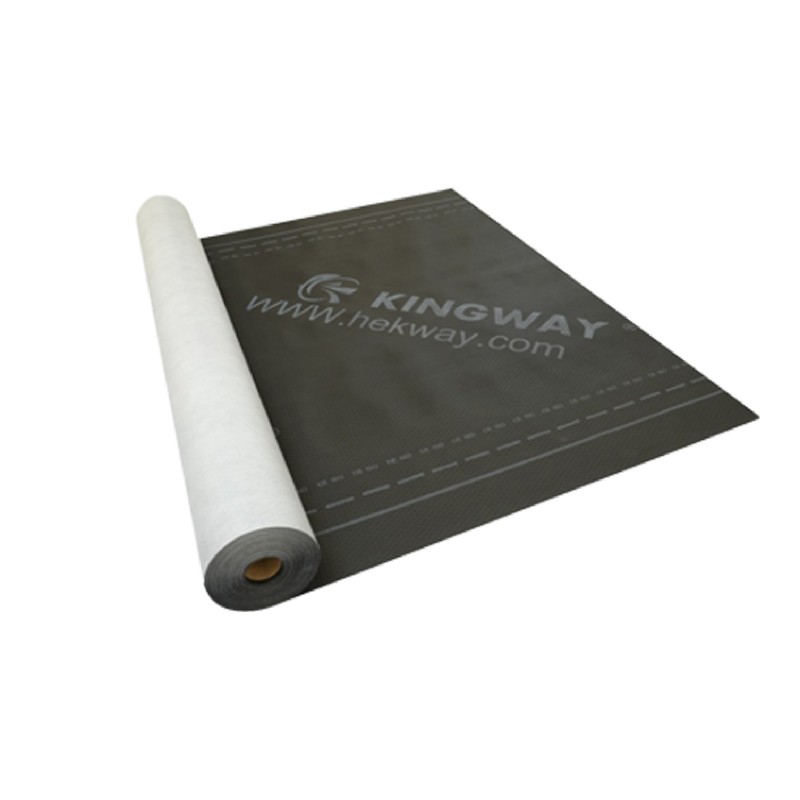
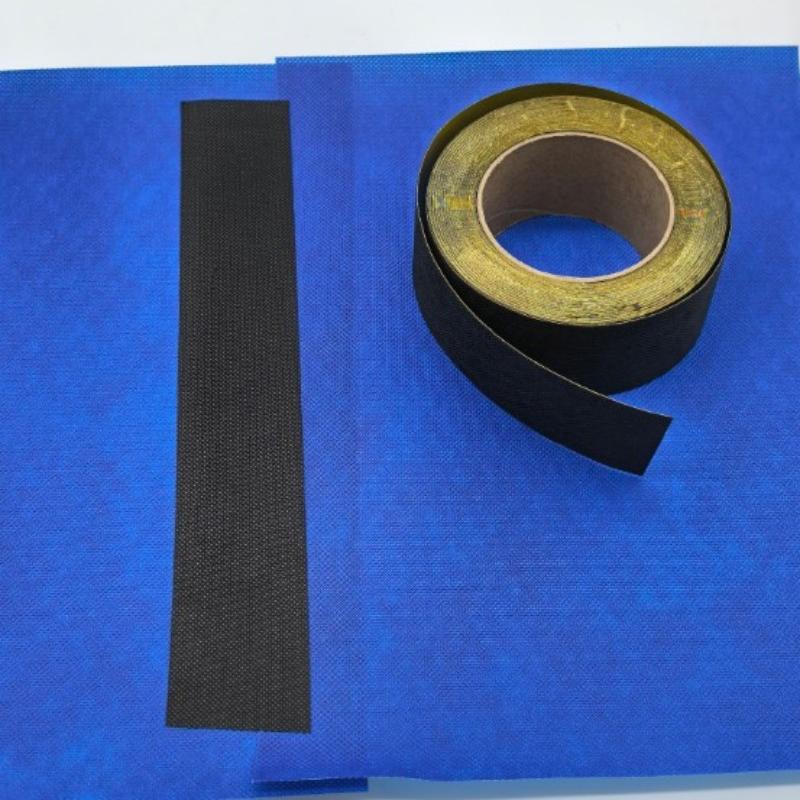
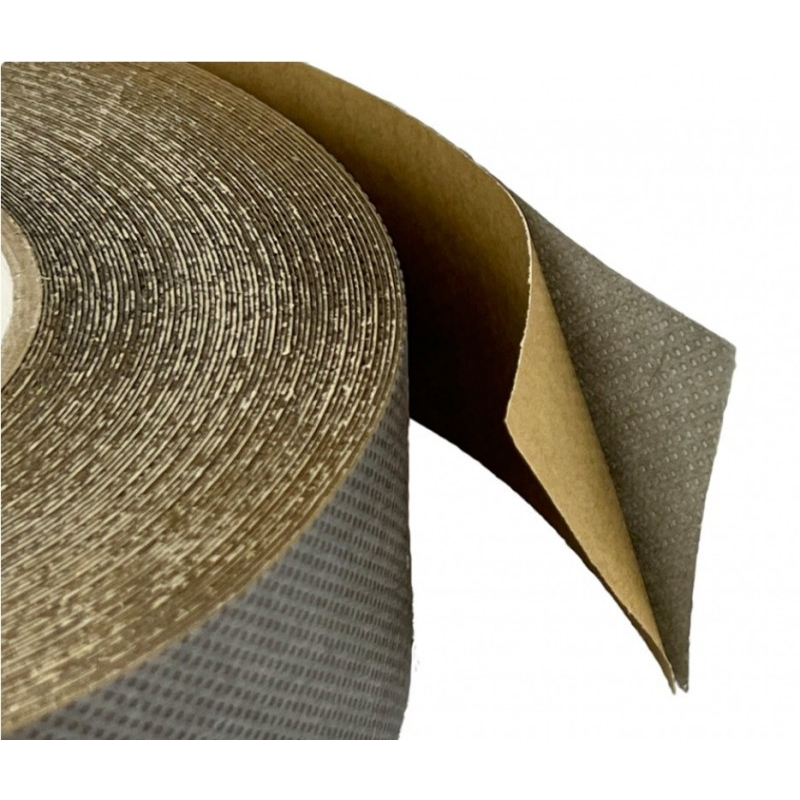
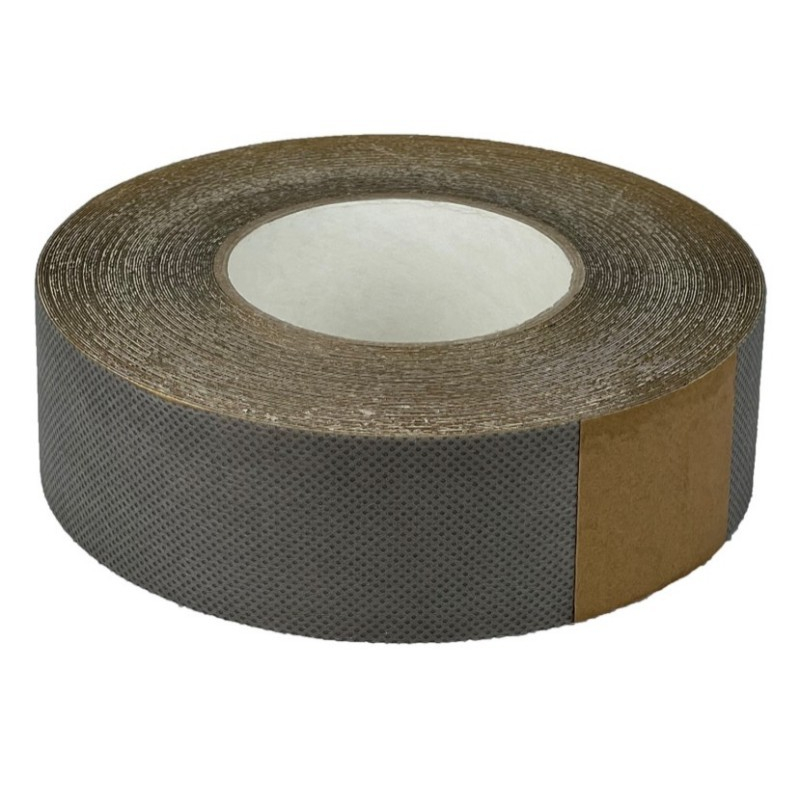
A waterproof breather membrane is a flexible building layer that keeps liquid water out while allowing trapped water vapour to escape. This balance helps roofs and walls stay dry, ventilated, and durable. A waterproof breather membrane normally sits beneath external roofing or cladding, protecting insulation, timber, and internal surfaces from rain, snow, wind-driven moisture, and condensation. Unlike a simple plastic sheet, a waterproof breather membrane uses a carefully designed structure to manage moisture movement. Its microporous or monolithic technology blocks larger water droplets but lets smaller vapour molecules pass through. This makes the waterproof breather membrane suitable for pitched roofs, timber frame walls, façades, and selected floor or wall assemblies. Depending on the specification, products may include reinforced layers, high tear strength, UV resistance, low-temperature flexibility, and integrated self-adhesive zones. Some versions also provide temporary weather protection during construction. A waterproof breather membrane can improve airtightness when installers seal laps, edges, and penetrations correctly. It also helps preserve insulation performance by limiting dampness inside the building envelope. The waterproof breather membrane is available in different weights, widths, vapour resistance levels, and fire classifications, so buyers should match the product to the project design. For roof work, choose a waterproof breather membrane that suits the roof covering, pitch, ventilation plan, and local weather. For walls, confirm compatibility with cladding, cavity design, and insulation. Proper installation remains essential: keep the waterproof breather membrane continuous, follow overlap guidance, repair accidental damage, and use compatible tapes and fixings. In practical terms, the waterproof breather membrane supports a drier, more reliable building shell without preventing normal vapour release.