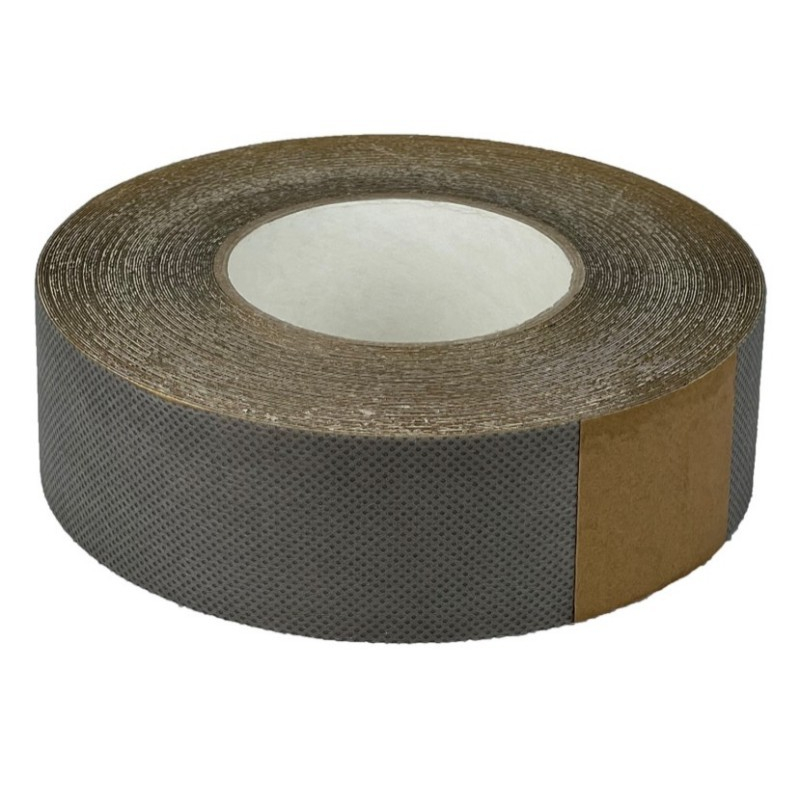
waterproof vent membrane
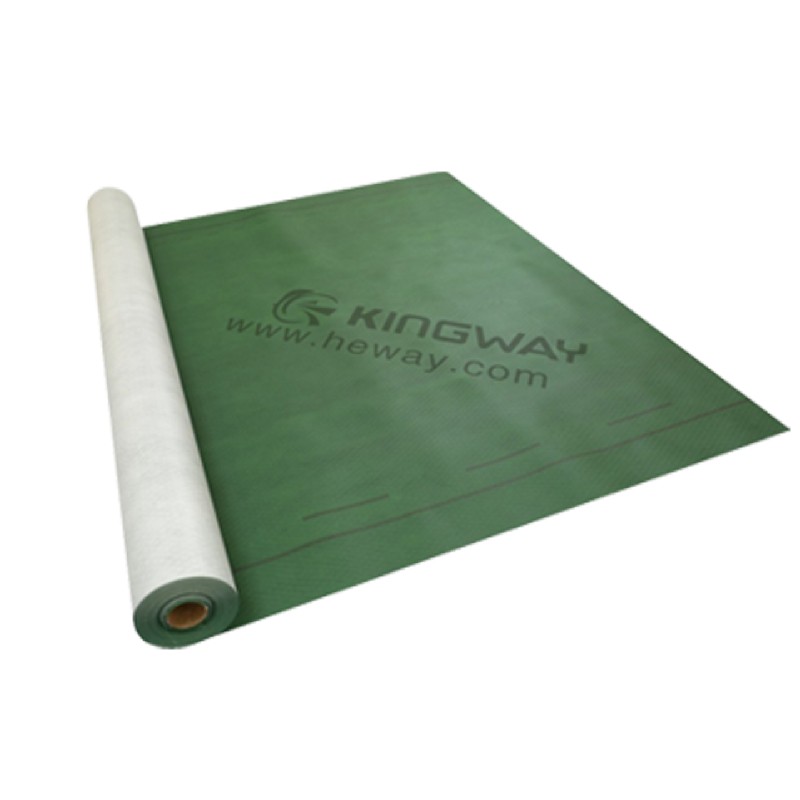
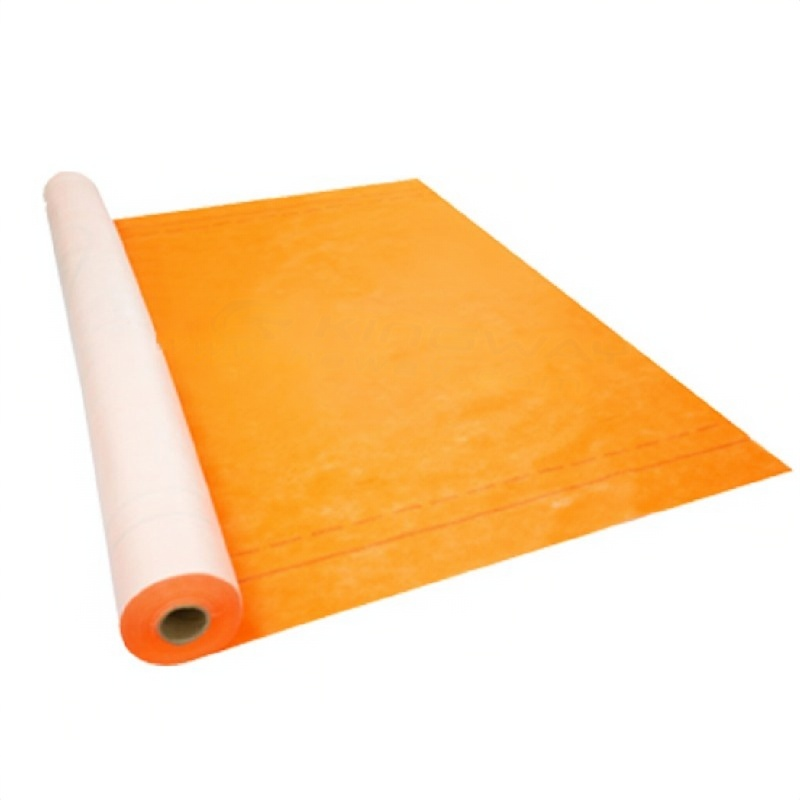
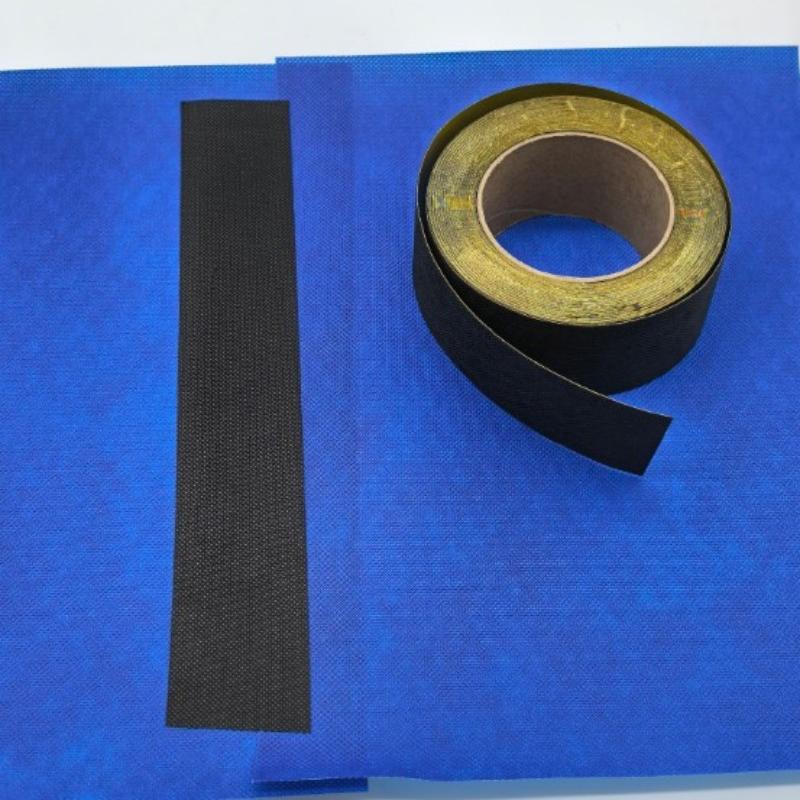
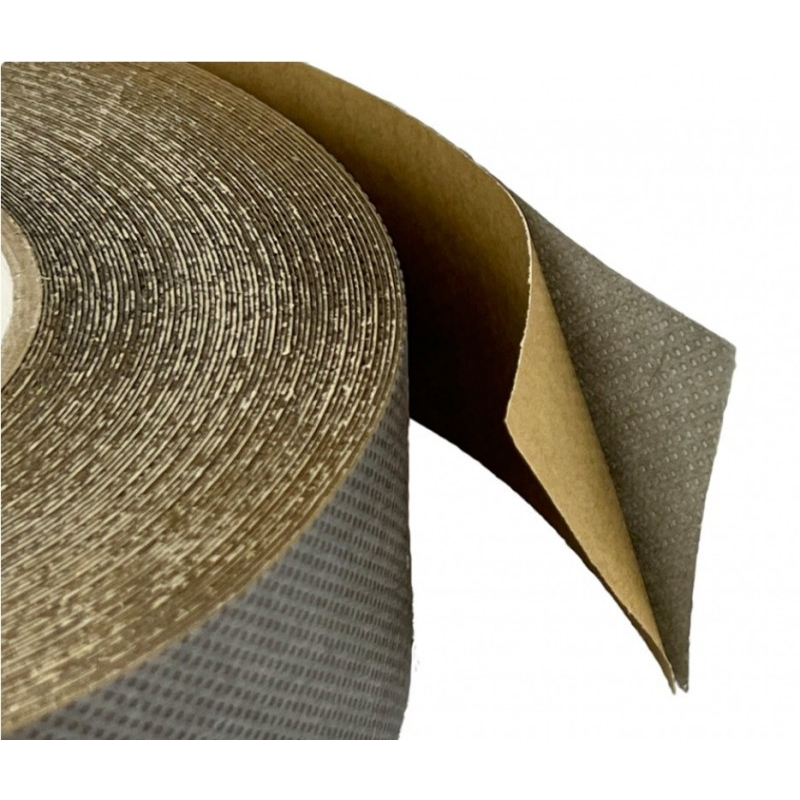
A waterproof vent membrane is a thin protective component that lets air and pressure move through an enclosure while stopping liquid water, dust, and other contaminants. The waterproof vent membrane helps sealed products breathe without leaving openings that could allow moisture to enter. This balance reduces condensation, protects sensitive parts, and supports stable performance in changing weather or operating conditions. Unlike a simple cover, the waterproof vent membrane uses a breathable, water-repellent material with controlled pores. These pores allow gases to pass while surface tension blocks water droplets. Many versions also use a strong adhesive backing, a protective support layer, or a flexible design that fits curved housings. The waterproof vent membrane can equalize pressure caused by heating, cooling, altitude changes, or rapid temperature shifts. Without this release path, pressure may stress seals, distort covers, or draw moisture through weak points. By reducing that strain, the waterproof vent membrane supports longer service life and more dependable enclosure protection. Manufacturers use the waterproof vent membrane in electronics, lighting, sensors, outdoor controls, automotive modules, battery packs, and industrial equipment. It can protect products exposed to rain, spray, dust, oil mist, and condensation. Depending on the design, the waterproof vent membrane may offer high airflow, chemical resistance, flame resistance, or resistance to ultraviolet exposure. Buyers can select size, shape, thickness, adhesive type, and performance grade for a precise fit. The waterproof vent membrane is therefore a practical solution for products that need both ventilation and reliable water protection.