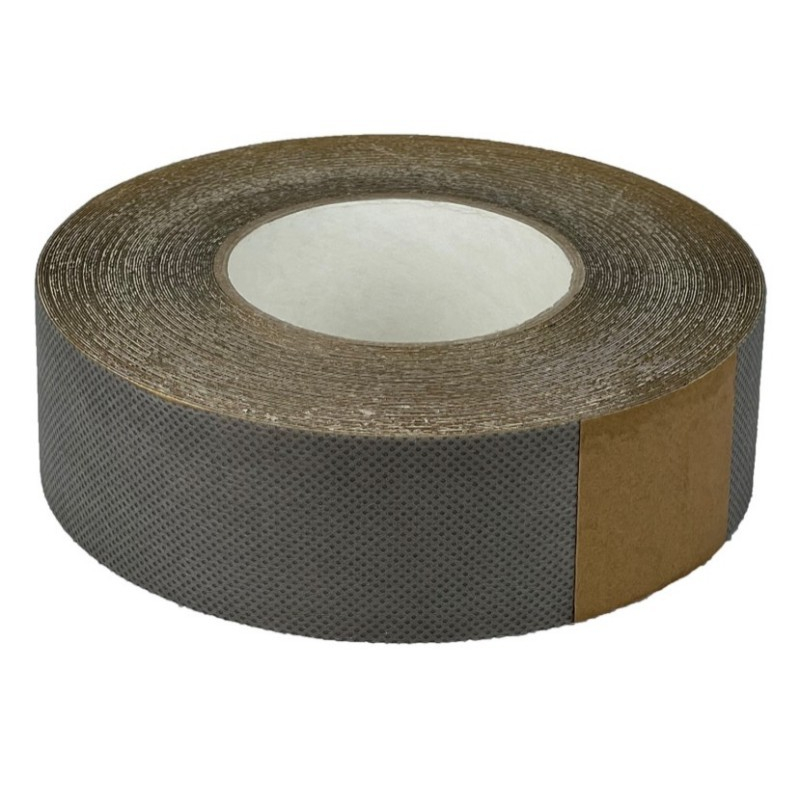
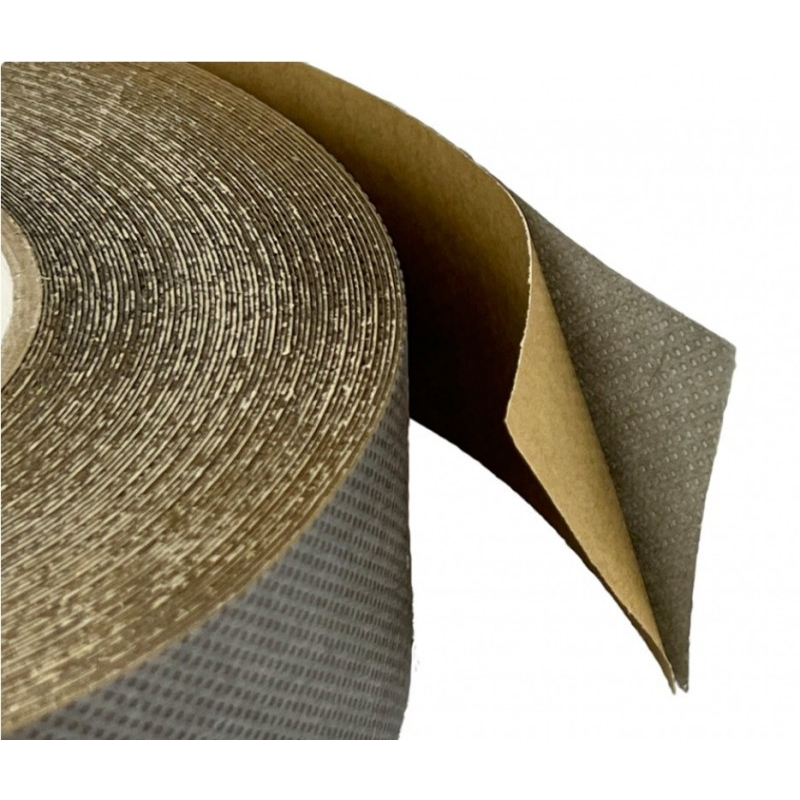
vapor permeable weather barrier
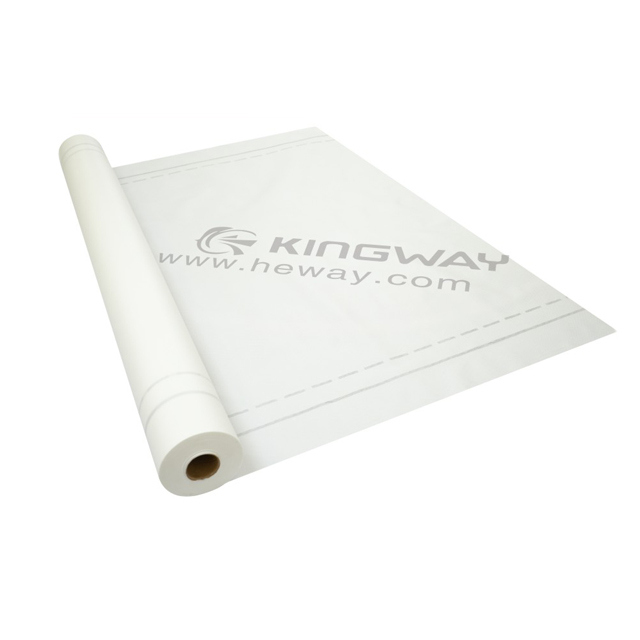
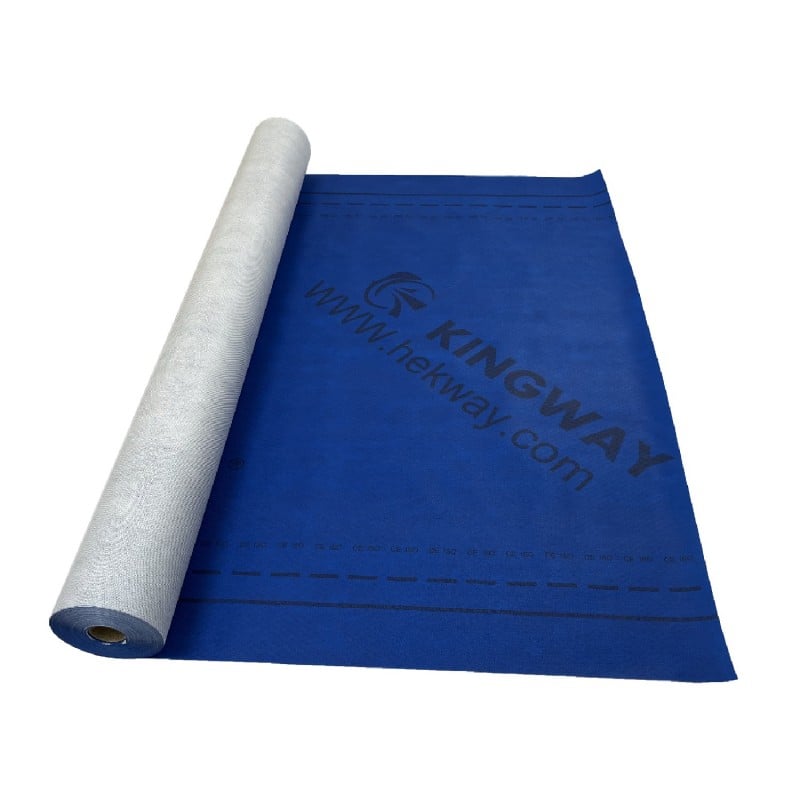
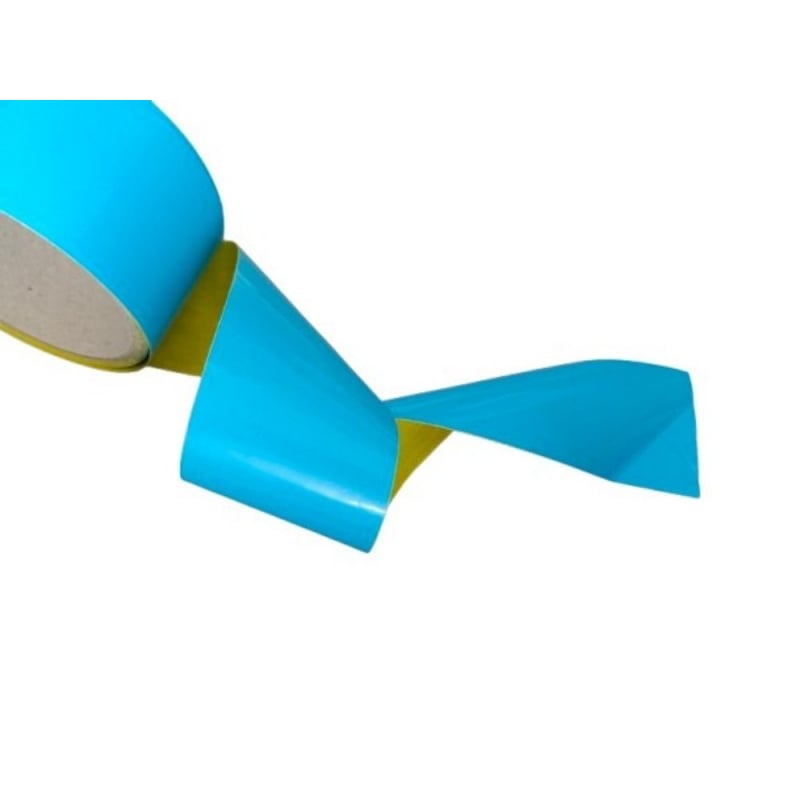
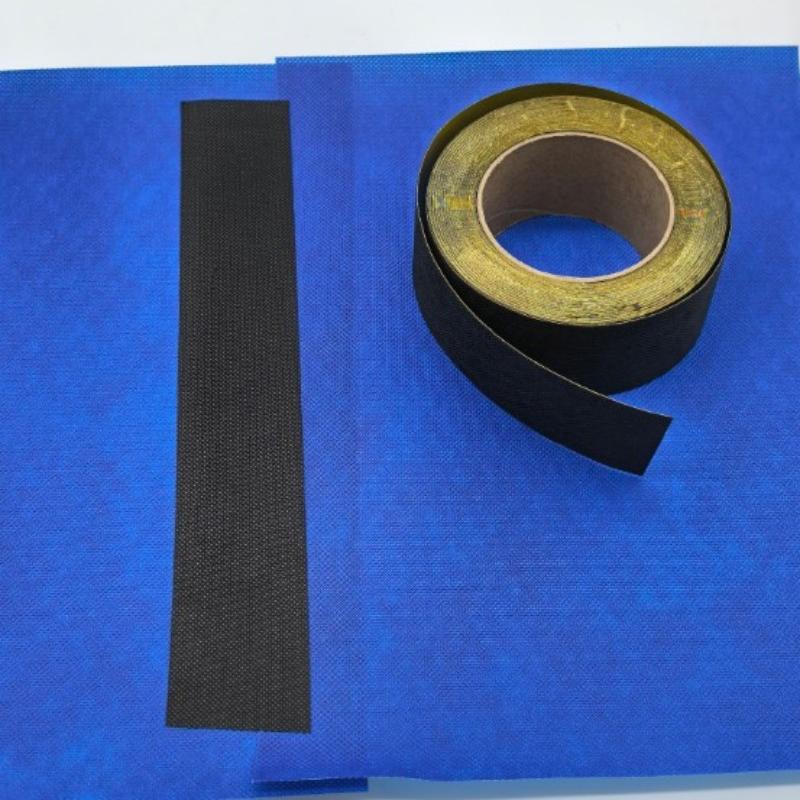
A vapor permeable weather barrier is a protective building membrane installed behind exterior cladding and over wall sheathing. It helps stop wind-driven rain, snow, and air leakage from entering the wall while allowing water vapor to move outward. This balance helps walls dry, limits trapped moisture, and supports longer-lasting construction. A vapor permeable weather barrier typically uses a strong synthetic sheet, a nonwoven surface, or a multilayer film engineered to resist water while maintaining controlled vapor flow. Many products also include integrated air-control technology, printed overlap guides, reinforced edges, and high tear strength for reliable installation. The vapor permeable weather barrier can cover wood, metal, and masonry wall assemblies, depending on the product specification. Builders use the vapor permeable weather barrier beneath siding, rainscreen systems, brick facades, stone veneer, and panel cladding. Its main functions include water shedding, air sealing, temporary weather protection, and moisture management. Some versions provide UV resistance, allowing the membrane to remain exposed for a defined construction period before cladding is installed. Adhesive strips, compatible tapes, and self-adhering formats can simplify detailing around windows, doors, corners, and penetrations. The vapor permeable weather barrier also supports energy performance by reducing uncontrolled drafts that make heating and cooling systems work harder. In renovation work, the vapor permeable weather barrier can improve wall protection without requiring major changes to the finished exterior. Product selection should consider climate, wall design, exposure time, vapor rating, fastening method, and compatibility with sealants and flashing. When correctly specified and installed, the vapor permeable weather barrier creates a practical second line of defense against outdoor moisture while helping the assembly dry safely.