Waterproof Roof Underlayment Guide

waterproof roof underlayment

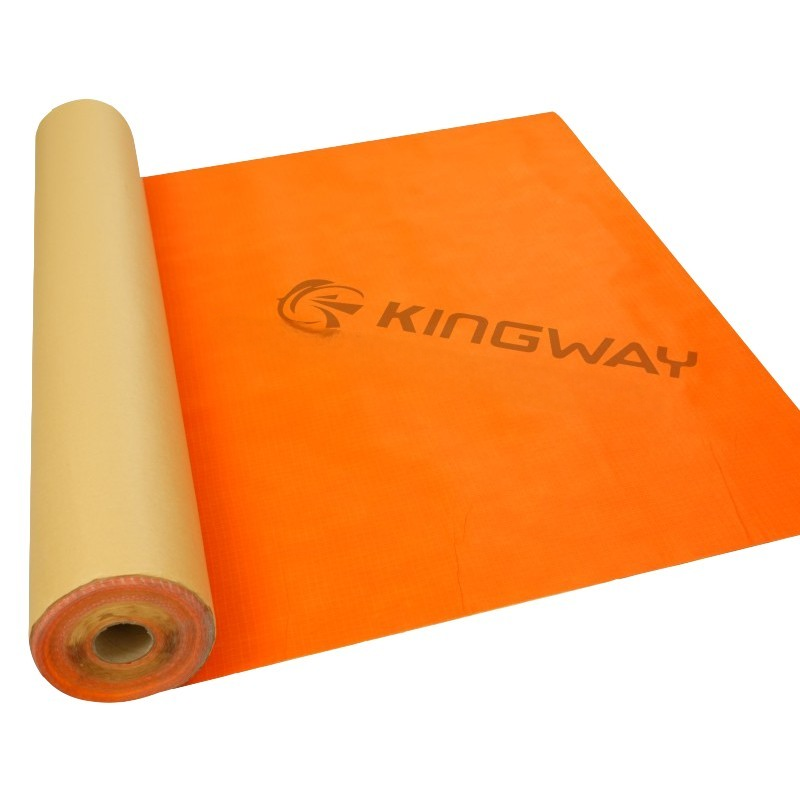
A waterproof roof underlayment is a protective layer installed beneath shingles, tiles, metal panels, or other roof coverings. It creates a secondary barrier that helps stop rain, melting snow, wind-driven moisture, and roof runoff from reaching the roof deck and interior spaces. While the outer covering handles most weather exposure, waterproof roof underlayment provides backup protection when shingles shift, tiles crack, fasteners loosen, or heavy rain moves beneath the surface. This makes waterproof roof underlayment an important part of a dependable roofing system. Modern waterproof roof underlayment commonly uses reinforced synthetic sheets, polymer films, or modified bitumen. These materials combine water resistance with strong tear protection and stable performance during temperature changes. Some products include textured surfaces for safer foot placement, printed overlap guides for faster fitting, and marked fastening zones to support accurate installation. A quality waterproof roof underlayment can also resist ultraviolet exposure for a limited period when construction delays prevent immediate roof-covering installation. Depending on the design, waterproof roof underlayment may be breathable, allowing trapped vapor to escape, or non-breathable, providing a highly sealed moisture barrier. Roofers use waterproof roof underlayment on residential homes, commercial buildings, garages, sheds, and renovation projects. It suits pitched roofs, complex roof shapes, valleys, eaves, and areas around vents or chimneys where water control matters most. Selecting the right waterproof roof underlayment depends on climate, roof covering, slope, local building requirements, expected exposure time, and installation method. In practical terms, waterproof roof underlayment adds a reliable layer of defense that supports a drier, stronger, and longer-lasting roof.
New Products

The main advantage of waterproof roof underlayment is simple: it gives the roof another line of defense against water. If the visible covering develops a small gap or suffers damage, waterproof roof underlayment helps keep moisture away from insulation, framing, ceilings, and stored contents. This can reduce repair disruption and protect the value of the building. For homeowners, waterproof roof underlayment supports greater confidence during storms and seasonal weather. For contractors, it provides a clear installation step that improves project quality and helps meet roofing specifications. A waterproof roof underlayment can also make work more manageable. Lightweight synthetic rolls are easier to carry, cut, and position than many older materials. Printed lap lines and measurement marks help crews maintain consistent overlaps, while strong sheets resist tearing during movement across the deck. These features can reduce waste, shorten fitting time, and limit avoidable installation errors. Another benefit is flexibility across different applications. A suitable waterproof roof underlayment can work beneath asphalt shingles, metal roofing, concrete tiles, slate-style products, and other coverings. It can protect vulnerable details such as valleys, roof edges, penetrations, and low-slope transitions. Some versions remain stable under sunlight during short construction delays, giving installers more scheduling freedom. Buyers should still compare product thickness, roll size, temperature range, slip resistance, vapor behavior, exposure rating, and fastening guidance. A waterproof roof underlayment is not a substitute for a properly installed outer roof, and no underlayment can correct poor drainage or defective flashing. However, choosing waterproof roof underlayment adds practical protection at a relatively small part of the overall roofing cost. It may help extend roof-system service life, lower moisture-related maintenance, improve job consistency, and support compliance with project requirements. The right waterproof roof underlayment therefore delivers value through protection, easier handling, broader suitability, and reduced risk over time.

Practical Tips

Can a high-quality house wrap enhance your home comfort levels?

22

Jul

Can a high-quality house wrap enhance your home comfort levels?

Yes, a high-quality house wrap can significantly enhance your home comfort levels, and the evidence from both building science and real-world construction experience supports this clearly. A house wrap is a protective barrier installed between your e...
View More
Can a premium roofing underlayment extend your total roof warranty?

28

Sep

Can a premium roofing underlayment extend your total roof warranty?

Your roof is one of the most critical investments in your home or commercial property, and protecting that investment goes far beyond the shingles or tiles you see from the ground. Many property owners overlook the crucial role that roofing underlaym...
View More
Can a certified membrana hidrofuga secure your building against typhoons?

08

Oct

Can a certified membrana hidrofuga secure your building against typhoons?

Typhoons represent one of the most destructive natural forces affecting coastal and tropical regions, threatening building integrity through intense wind, heavy rainfall, and structural stress. A certified membrana hidrofuga offers a proven defense m...
View More
Why is our factory-direct roofing underlayment a top global choice?

27

Oct

Why is our factory-direct roofing underlayment a top global choice?

The construction industry demands materials that combine durability, affordability, and proven performance. Roofing underlayment has become an essential component in modern building projects, serving as a critical barrier between the roof deck and th...
View More

Get a Free Quote

Our representative will contact you soon.
Email
Name
Company Name
Message
0/1000

waterproof roof underlayment

Reliable Backup Protection Against Moisture

Reliable Backup Protection Against Moisture

A waterproof roof underlayment creates a continuous protective layer below the primary roof covering. This matters because even well-installed shingles, tiles, and panels can allow water underneath during wind-driven rain, ice buildup, or surface damage. The waterproof roof underlayment helps guide moisture toward the roof edge instead of allowing it to reach the deck and structural materials. For property owners, that extra barrier can reduce the chance of stained ceilings, damp insulation, wood decay, and costly interior repairs. It also protects vulnerable zones where leaks often begin, including valleys, eaves, ridges, vents, and chimney transitions. The waterproof roof underlayment supports performance between routine roof inspections and after severe weather events. Because it works beneath the visible covering, it remains active even when a small defect is difficult to identify immediately. This dependable backup function gives buyers a practical reason to invest in waterproof roof underlayment rather than relying only on the top roofing material.
Strong, Practical Design for Faster Installation

Strong, Practical Design for Faster Installation

Modern waterproof roof underlayment combines moisture resistance with features that help roofing crews work efficiently. Reinforced synthetic construction can resist tearing, stretching, and damage from foot traffic during installation. Many sheets include printed overlap lines, cut guides, and fastening indicators, so workers can position each course more accurately. A waterproof roof underlayment with a textured surface may also provide improved grip when crews move across sloped areas, although normal fall protection remains essential. Lightweight rolls reduce lifting effort and make transport around the site easier, especially on large or multi-level buildings. The waterproof roof underlayment can be cut around vents, skylights, valleys, and other details without excessive handling. Consistent dimensions and clear instructions help limit material waste and rework. For contractors, these practical details may improve daily productivity. For buyers, they support more dependable installation quality and clearer project scheduling. Choosing waterproof roof underlayment with a contractor-friendly design can therefore deliver value before the roof is even complete.
Flexible Performance Across Roof Types and Climates

Flexible Performance Across Roof Types and Climates

A waterproof roof underlayment can support many roofing designs, from family homes and apartment buildings to garages, workshops, and commercial facilities. Its suitability beneath shingles, tiles, slate-style products, and metal panels gives project planners greater material flexibility. The waterproof roof underlayment also helps protect complicated layouts that include multiple slopes, dormers, valleys, and roof penetrations. Depending on the product, it may tolerate hot summers, cold winters, repeated temperature changes, and short periods of ultraviolet exposure before the final covering is installed. Some breathable designs allow building vapor to escape, while sealed versions focus on maximum moisture resistance. This choice lets buyers match the waterproof roof underlayment to regional weather, roof construction, and indoor moisture conditions. A product with the correct exposure rating can also provide useful scheduling freedom when crews cannot finish immediately. Before purchase, users should confirm compatibility with the roof covering and local code requirements. The right waterproof roof underlayment helps create a balanced system that protects the building without restricting design options.

Get a Free Quote

Our representative will contact you soon.
Email
Name
Company Name
Message
0/1000